 Glenhaven Siding
 Siding in Barkley: A Neighborhood That Wears Its Weather
Barkley sits in one of the more established, tree-shaded pockets of the greater Glenhaven area, and that's part of what makes it a distinct case when it comes to exterior maintenance. Mature landscaping, proximity to open water, and the steady moisture that defines Whatcom County weather all combine to put real, ongoing pressure on the siding, trim, and roofing that protect these homes. We've worked on enough houses in this part of the county to know that what looks like a cosmetic issue on a Barkley home's exterior is often an early sign of something more serious happening behind the cladding.
This page is meant to walk through what we actually see on Barkley homes, how we approach siding, roofing, window, and deck work here, and why we've made the decision to install exclusively James Hardie fiber cement siding rather than the wider range of products still common in the region.
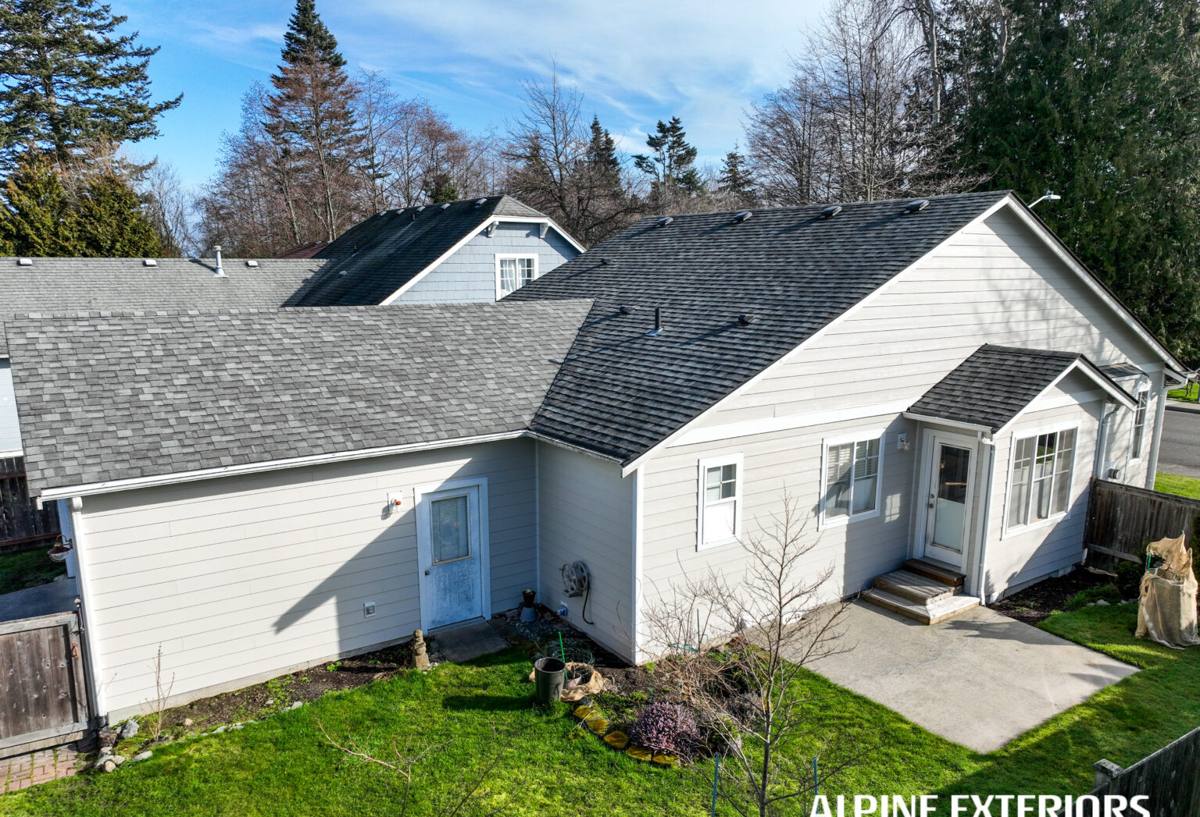
What the Local Climate Does to Exterior Materials
Three environmental factors show up again and again in this part of Whatcom County, and Barkley gets a full dose of all three.
Salt Air
Homes closer to the water pick up airborne salt that settles on siding, fascia, and metal fasteners. Over time this accelerates corrosion on exposed hardware and can degrade certain paint and coating systems faster than manufacturers' published lifespans would suggest, especially on materials that weren't engineered with coastal exposure in mind.
Driving Rain
Storms coming off the water don't just fall straight down here — wind-driven rain gets pushed sideways into wall assemblies, seams, and butt joints. Siding systems that rely on caulking or paint film to stay watertight are put to the test every winter, and any gap in installation quality tends to reveal itself within a few seasons rather than decades.
Moss and Prolonged Dampness
Glenhaven's long wet season and shaded lots mean moss and algae have plenty of time to establish themselves on north-facing walls, under eaves, and anywhere airflow is limited. Moss holds moisture directly against the siding surface for extended periods, which is exactly the condition that causes wood-based and wood-derived products to swell, delaminate, or rot from the inside out.
How This Shows Up on Barkley Homes
When we inspect siding in this neighborhood, a handful of patterns come up consistently:
- Soft or spongy spots at the bottom courses of siding, especially near grade or under downspouts
- Dark streaking or green-black growth on shaded, north- and west-facing walls
- Paint that's alligatoring, bubbling, or peeling well before its expected repaint interval
- Swollen or delaminating edges on engineered wood or composite panel products
- Rust bleed around fasteners on older siding systems
- Gaps opening up at butt joints and trim where caulk has failed
None of these are unusual for the area — they're the predictable result of the local climate acting on materials over years. The question isn't whether a home's exterior will be tested here, it's whether the material and the installation were built to handle it.
Why We Install Only James Hardie Fiber Cement
We used to install a broader range of siding products. We don't anymore, and the reasoning comes directly from what we've seen happen to exteriors in exactly this kind of climate.
Fiber cement, and James Hardie's product line specifically, is made from cement, sand, and cellulose fiber. It doesn't absorb water the way wood-based or wood-derived products can, it doesn't support rot, and it's non-combustible. For a neighborhood dealing with sustained dampness and moss pressure, that moisture resistance is the single biggest factor in long-term performance.
James Hardie's HZ5 product line is engineered specifically for regions with significant moisture exposure, which describes Whatcom County well. The factory-applied ColorPlus finish is baked on under controlled conditions and backed by its own finish warranty, which matters here because field-applied paint is exactly what struggles against sustained rain and salt air. We're not installing a product and hoping the coating holds up to this climate — we're installing a product line built around the assumption that it will get wet, repeatedly, for decades.
What We Won't Install, and Why
We don't install vinyl, LP SmartSide, Cemplank, Allura, or unprimed cedar or spruce siding. That's not a knock on every use case for those products — it's a standard we hold specifically because of what we've watched happen on homes in this climate:
- Vinyl can warp or become brittle over time and its seams and butt joints rely on lap fit rather than a rigid, paintable surface — a real limitation when wind-driven rain is a regular event.
- LP SmartSide and other engineered wood products use a wood-strand core that, if moisture gets past the coating at a cut edge or fastener point, can swell and deteriorate — a real risk given how long Barkley's shaded walls stay damp.
- Cemplank and Allura are also fiber cement and share some of Hardie's core advantages, but we've standardized our crews, training, and warranty process around one manufacturer's system rather than splitting expertise across multiple product lines.
- Unprimed cedar or spruce looks great on day one but demands a maintenance schedule — sealing, repainting, moss treatment — that most homeowners underestimate until they're several years in and behind on it.
Comparing the Options for This Climate
| Material | Moisture Resistance | Maintenance Demand | Typical Finish Longevity |
|---|---|---|---|
| James Hardie Fiber Cement | High — cement-based, doesn't rot | Low | Factory finish, long-interval repaint |
| Vinyl | Moderate — can warp, seams rely on fit | Low-moderate | Color can fade; not repaintable in the same way |
| LP SmartSide / engineered wood | Moderate — vulnerable at cut edges and damage points | Moderate | Coating-dependent |
| Unprimed Cedar / Spruce | Low without diligent upkeep | High — regular sealing and repainting | Short without maintenance |
This table isn't meant to declare every alternative unusable everywhere — climate and maintenance habits vary by property. But for the specific combination of salt air, driving rain, and long moss seasons that Barkley homes deal with, it's why fiber cement, and Hardie's system specifically, is what we recommend and what we install.
Roofing, Windows, and Decks in the Same Climate
Siding doesn't fail in isolation, so we look at the whole exterior envelope when we're on a property in this neighborhood.
Roofing
Moss on a roof is more than a cosmetic issue — it holds moisture against shingles and can work its way under flashing over time. We check roof condition, flashing details, and moss buildup as part of any siding evaluation, since water intrusion at the roofline often shows up as siding damage lower on the wall.
Windows
Window flashing and trim integration is one of the most common places we find water intrusion starting, especially on older homes where flashing wasn't detailed to modern standards. When we replace siding around existing windows, we make sure flashing and trim are correctly integrated rather than just caulked over.
Decks
Decks in this climate face the same driving rain and prolonged dampness as siding, plus direct foot traffic and UV exposure. Ledger board connections and any area where a deck meets the house wall deserve particular attention, since that's a common point for hidden moisture damage.
What a Siding Project Looks Like With a Local Crew
Working in this specific microclimate for a while changes how you approach a job. A few things we do differently because of what this neighborhood throws at exteriors:
- We check for existing moisture damage behind the siding before quoting a straightforward re-side, since hidden rot changes the scope
- We pay close attention to flashing, house wrap, and drainage plane details — not just the visible siding panels — because that's where wind-driven rain actually gets in
- We factor in moss exposure on shaded elevations when planning maintenance recommendations after installation
- We install to James Hardie's published fastening and clearance specifications, since gaps from correct spec are a common cause of early problems
A local crew that's seen how this climate ages an exterior over ten or fifteen years brings something a general contractor working across drier regions may not: a working knowledge of exactly where things go wrong here first.
Planning a Siding Project in Barkley
Whether you're dealing with visible damage, aging siding that's due for replacement, or you're simply planning ahead before problems start, the right first step is an honest inspection — not a sales pitch. We look at your current siding, check for moisture issues at trim, corners, and grade level, and give you a straightforward assessment of condition and options.
If you'd like a free, no-pressure estimate on siding, roofing, window, or deck work for your Barkley home, the form below is the easiest way to get started.