 Glenhaven Siding
 Siding in Silver Beach: Built for a Tough Corner of Whatcom County
Homes along the Whatcom County coastline take a beating that inland properties never see. In Silver Beach, that means salt-laden air moving in off the water, long stretches of driving rain through fall and winter, and a moss season that can run most of the year in shaded, north-facing spots. Siding here isn't just cosmetic — it's the single biggest factor in whether a home stays dry, keeps its paint, and avoids expensive rot repair ten or fifteen years down the road.
We work on homes throughout the Silver Beach area and understand what this specific stretch of coastline does to exterior materials over time. That local knowledge shapes every recommendation we make, from which siding product goes on the wall to how the trim and flashing details get handled around windows and doors.
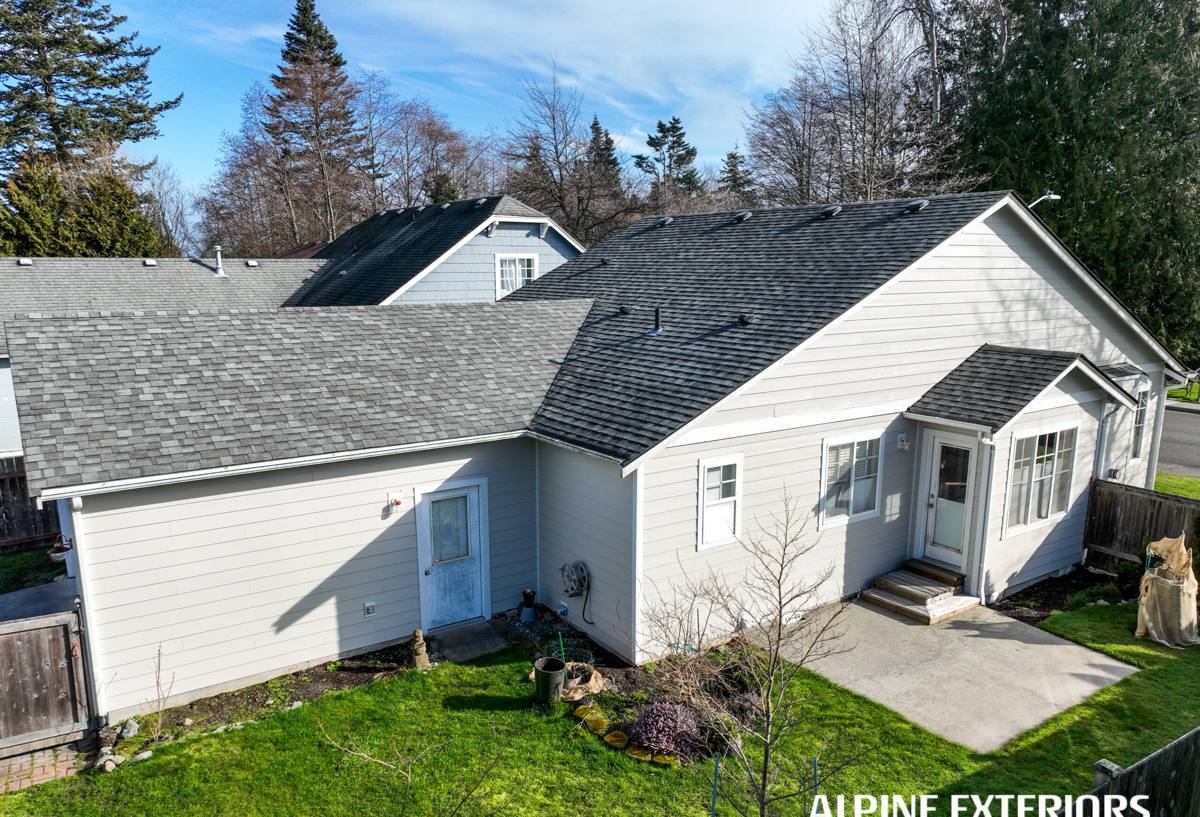
What Salt Air, Rain, and Moss Actually Do to a House
Each of these factors attacks a home's exterior in a different way, and most siding failures we're called out to inspect involve more than one of them working together.
Salt Air and Corrosion
Airborne salt accelerates corrosion on anything metal — fasteners, flashing, hose bibs, light fixtures — and it can also degrade certain paint films and caulks faster than they'd wear inland. Over years, corroding fasteners loosen siding panels and trim, which opens small gaps for water to get behind the cladding.
Driving Rain and Wind-Driven Moisture
Storms coming off the water don't just fall straight down — wind pushes rain sideways into wall assemblies, especially on west- and south-facing elevations. Siding with weak seams, poor lap coverage, or degraded caulk lines lets that moisture find its way behind the surface, where it can sit against sheathing and framing.
Moss, Algae, and Prolonged Dampness
Shaded yards, tree cover, and our regional humidity keep north-facing walls and anything under an overhang damp for extended stretches. That constant moisture is exactly what moss and algae need to take hold. On absorbent or poorly finished siding, that dampness can also work its way into the material itself, not just sit on the surface.
Why We Install James Hardie Fiber Cement — and Nothing Else
We've made a deliberate decision to install James Hardie fiber cement siding exclusively. We don't install vinyl, LP SmartSide, Cemplank, Allura, or primed wood siding like spruce or cedar. That's not a marketing angle — it's a standard we hold because of what we've seen play out on real homes in exactly this kind of coastal, wet climate.
Vinyl siding is inexpensive and easy to install, but it's a thin plastic product that can warp in heat, crack in cold, and fade over time — and it relies almost entirely on caulking and overlap for weather resistance rather than a rigid, engineered water-management system. LP SmartSide and other wood-strand products use an engineered wood core, which performs reasonably well when installed and maintained perfectly, but any breach in the factory coating exposes wood fiber that can swell or deteriorate once moisture gets in — a real risk in a rain-heavy environment. Cedar and primed spruce are beautiful materials, but they're organic: they need regular refinishing, they're a natural food source for the same moss and algae this area produces in abundance, and driving rain plus long damp stretches shorten their maintenance-free window considerably.
James Hardie fiber cement is a different category of material. It's made from cement, sand, and cellulose fibers, which makes it non-combustible, dimensionally stable, and far less sensitive to the moisture cycling that damages wood and wood-composite products. Hardie's ColorPlus factory finish is baked on under controlled conditions, giving it better fade and chip resistance than field-applied paint, and it comes backed by a strong transferable warranty. It's not the cheapest option on the shelf, but for a home that's going to face salt air and driving rain for the next thirty years, it's the product we're willing to put our name behind.
Matching the Right Hardie Product to a Coastal Whatcom County Home
James Hardie makes several distinct siding profiles, and part of our job is matching the right one to your home's style and exposure rather than defaulting to whatever's easiest to install.
| Hardie Product | Best Suited For | Look |
|---|---|---|
| HardiePlank Lap Siding | Most home styles; the most common choice for full re-sides | Classic horizontal lap, smooth or cedar-textured |
| HardiePanel Vertical Siding | Modern designs, accent walls, gable ends | Clean vertical lines, often paired with board-and-batten trim |
| HardieShingle Siding | Craftsman and cottage-style homes | Staggered or straight-edge shingle profile |
| HardieTrim Boards | Corners, window and door surrounds, fascia | Crisp, paintable trim that resists moisture at edges |
Hardie also engineers its siding for different climate zones under its HZ5 and HZ10 designations, which account for regional freeze-thaw cycles and moisture exposure. For Whatcom County's marine climate, we spec the products engineered to handle sustained damp conditions rather than a generic, one-size-fits-all panel.
How the Installation Process Works
Correct installation matters as much as the product choice — fiber cement siding installed to spec performs very differently than the same product installed with shortcuts. Our process on a Silver Beach home generally follows these stages:
- On-site assessment. We inspect the existing siding, sheathing, and trim for hidden moisture damage before quoting the job, since a re-side is the best opportunity to catch and fix problems that are otherwise hidden.
- Water management planning. We plan house wrap, flashing at windows and doors, and proper drainage gaps behind the siding — this is where most long-term failures actually start, not with the siding material itself.
- Tear-off and prep. Old siding comes off, sheathing is repaired or replaced where needed, and a weather-resistant barrier goes on correctly lapped from bottom to top.
- Hardie installation. Panels or planks are installed with correct fastener spacing, proper nailing patterns, and manufacturer-specified clearances at grade, decks, and roof lines to keep water from wicking up into the material.
- Trim, caulking, and touch-up. Corners and openings are finished with HardieTrim, seams are caulked per spec, and any factory-finish touch-up is done with Hardie-matched product.
- Final walkthrough. We go over the finished job with the homeowner and cover basic care going forward.
Beyond Siding: Roofing, Windows, and Decks in the Same Environment
Siding doesn't work in isolation — the roof, windows, and any exterior decking are all part of the same water-management system protecting a home. We handle all four because they're interconnected: a roof that's shedding water improperly onto a wall, or a window that isn't flashed correctly, can undermine even a perfectly installed siding job.
- Roofing that's properly flashed where it meets siding and trim, with attention to how water sheds off in heavy, wind-driven storms
- Windows with correct flashing and sealant details, since window openings are one of the most common sources of hidden water intrusion
- Decks built and finished with materials and hardware suited to salt air exposure, since deck fasteners and connectors corrode under the same conditions as siding fasteners
When we're on-site for a siding project, we're also looking at how these other systems tie in, and we'll flag anything that could undercut the work we're doing.
What Affects the Cost of a Siding Project in This Area
Every home is different, but a few factors consistently move the price on jobs in the Silver Beach area:
| Factor | Why It Matters |
|---|---|
| Extent of hidden moisture damage | Rotted sheathing or framing found during tear-off adds repair scope before new siding can go on |
| Home size and complexity | Multiple gables, dormers, and cutouts take more labor and trim work than a simple rectangular footprint |
| Siding profile chosen | Lap, panel, and shingle products differ in material and labor cost |
| Access and site conditions | Steep lots, limited driveway access, or dense landscaping near the home can add setup time |
| Scope of related work | Bundling trim, window flashing repair, or deck work with the siding job changes overall cost and timeline |
We provide a written estimate after an on-site walkthrough rather than a phone-quote guess, because the hidden-damage factor above is impossible to price accurately without actually looking at the wall assembly.
Caring for Hardie Siding in a Coastal Whatcom County Climate
Fiber cement siding is low-maintenance compared to wood, but "low-maintenance" isn't "no-maintenance," especially with the moss and salt exposure common to this area. A simple annual routine goes a long way:
- Rinse the exterior once or twice a year, focusing on north-facing and shaded walls where moss and algae are most likely to establish
- Trim back landscaping and tree limbs that keep siding shaded and damp for long stretches
- Check caulk lines at trim, window, and door edges annually and have any cracked or gapped sections resealed
- Inspect fasteners and metal flashing periodically for early signs of corrosion, particularly on homes closer to open water
- Address any small chips or scratches in the factory finish promptly with Hardie-matched touch-up paint before moisture can get into the exposed edge
Why Hiring a Local Crew Matters Here
Siding installation looks similar on paper everywhere, but the details that actually determine whether it lasts are regional. A crew that mostly works dry-climate jobs may not think twice about drainage gap sizing or flashing laps that matter enormously once driving rain and sustained coastal humidity are part of the picture. Working in Whatcom County day in and day out means we're making those calls with this specific climate in mind, not applying a generic install method and hoping it holds up.
It also means we're a known, reachable company if a question comes up five or ten years after the job is done — not a crew that worked the region for one season and moved on. For a home facing decades of salt air, rain, and moss exposure, that continuity matters as much as the material on the wall.
If you're noticing moss buildup, peeling paint, soft spots, or aging siding on a Silver Beach home, we're happy to take a look and walk you through your options. Reach out for a free, no-pressure estimate — we'll assess your home's specific exposure and give you an honest recommendation, not a one-size-fits-all pitch.