 Glenhaven Siding
 Siding for Deming's Nooksack River Valley Homes
Deming sits along the Nooksack River in the shadow of Mount Baker, and that setting shapes everything about how a home ages here. Tall conifers shade a lot of rooflines and wall sections for much of the day, river valley humidity lingers longer than it does out on open ground, and the marine-influenced weather system that soaks all of Whatcom County settles into these forested lots and stays. Homes in Deming don't just get rained on — they stay damp, shaded, and cool against their siding for long stretches, which is exactly the combination that breaks down the wrong exterior products over time.
Glenhaven Siding Company works this whole area, and Deming's mix of wooded acreage, river-adjacent properties, and older homes on the valley floor comes up constantly. We install siding, roofing, windows, and decks, but siding is where we've drawn a hard line on what we'll put our name behind — and Deming's climate is a big part of why.
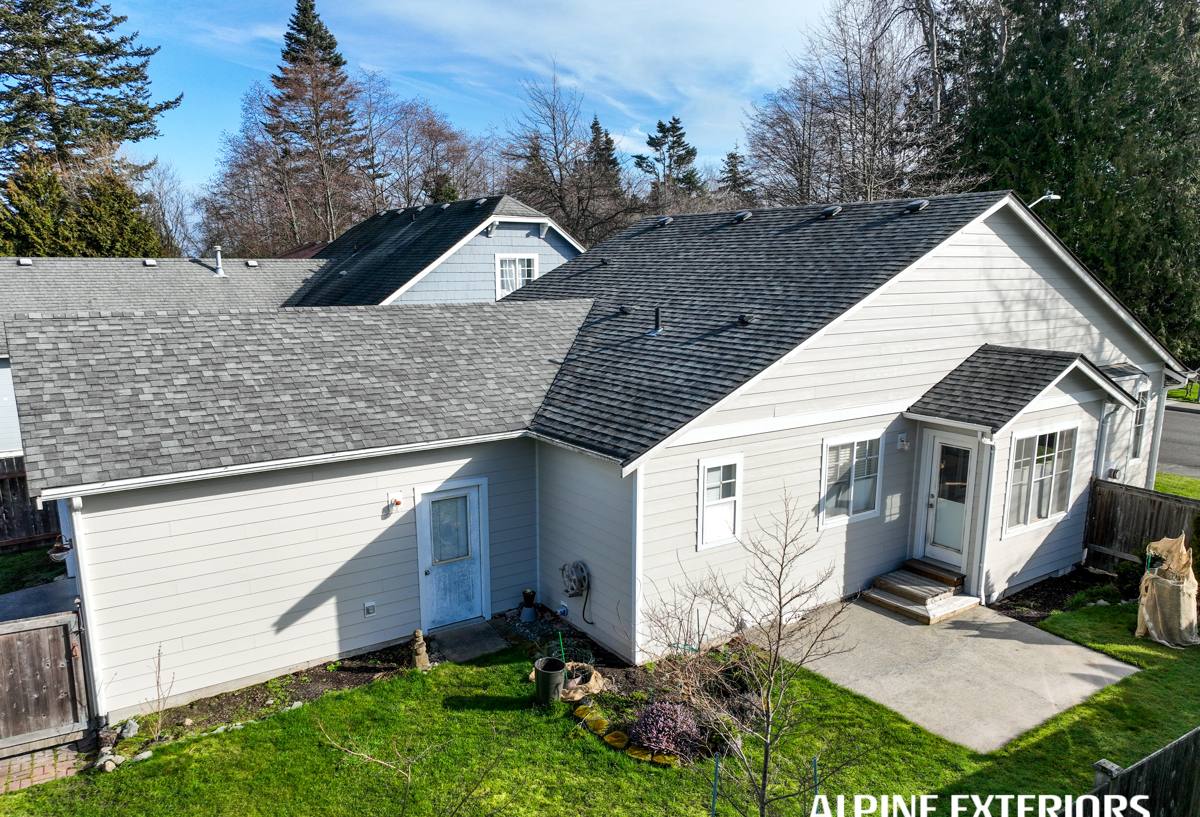
What the Local Climate Does to Exterior Siding
Whatcom County's weather pattern brings driving rain off the water and long stretches of wet, low-light conditions through fall, winter, and spring. Out in Deming, that same weather arrives filtered through tree canopy and valley topography — meaning less direct sun to dry a wall out between storms, and more standing moisture in shaded corners, north-facing elevations, and anywhere gutters or roof lines dump water close to the siding.
Add in a moss season that can run from early fall through late spring, and you get a house that's fighting organic growth on the roof, in the gutters, and along siding laps for close to eight months of the year. Moss and algae don't just look bad — they hold moisture against whatever surface they're growing on, which is a problem for any siding material that isn't built to handle sustained dampness.
Why This Matters More in a Wooded River Valley
- Shaded walls dry slower after rain, extending the time siding spends wet
- Tree cover drops debris and organic material that feeds moss and algae growth
- River valley humidity keeps ambient moisture higher than in open, wind-exposed areas
- Older homes on wooded lots often have overgrown landscaping pressed right against siding
Why We Only Install James Hardie Fiber Cement
Glenhaven Siding Company installs James Hardie fiber cement siding exclusively. We don't install vinyl, LP SmartSide, Cemplank, Allura, primed spruce, or cedar — not because those products don't have a place in the market, but because we've made a professional judgment that they aren't the right fit for what homes in this part of Whatcom County actually face, and we'd rather stand behind one product we trust completely than offer several we have reservations about.
Fiber cement is cement, sand, and cellulose fiber — it doesn't feed mold or rot the way wood-based products can, and it doesn't soften, warp, or trap moisture behind its surface the way vinyl can when installed over a damp wall assembly. James Hardie's ColorPlus factory-applied finish is baked on under controlled conditions, which gives it better fade and moisture resistance than field-applied paint on wood or fiber cement alternatives. For a house that's going to spend a good chunk of the year shaded and damp, that matters.
What Homeowners Give Up With the Alternatives
| Material | Trade-off in Deming's Climate |
|---|---|
| Vinyl siding | Can warp or buckle with temperature swings; seams and laps give moisture a path inward on shaded, slow-drying walls |
| LP SmartSide (engineered wood) | Wood-based core is more vulnerable to moisture intrusion at cut edges and fastener points if caulking and flashing aren't perfect and maintained |
| Cedar | Beautiful, but needs regular refinishing and is genuinely more susceptible to moisture and pest damage in shaded, damp settings |
| Primed spruce / other primed wood | Field-applied finish wears faster than factory-baked finish; repainting becomes a recurring maintenance line item |
| Cemplank / Allura (other fiber cement brands) | Similar base material to Hardie, but we've standardized on Hardie's specific product engineering, finish warranty, and regional HZ formulation |
None of these are "bad" products in every application. They're just products we've decided not to install, because we don't want to sell a homeowner something we'd hesitate to recommend for our own house on a shaded lot outside Deming.
James Hardie's HZ5 Engineering for This Climate
James Hardie builds its siding in different formulations for different climate zones, and the Pacific Northwest falls under their HZ5 engineering — designed specifically for regions with sustained moisture, moderate temperatures, and freeze-thaw cycling. That's a meaningful distinction from a one-size-fits-all siding product. The HZ5 formulation is built to handle the wet-dry cycling that's routine in a place like Deming, where a wall might stay damp for days after a storm system moves through the valley.
Combined with a factory-baked ColorPlus finish, HZ5 siding holds up to the specific stress this region puts on an exterior wall: not just rain volume, but duration of exposure, shade, and organic growth pressure from moss and algae.
Installation Details That Matter as Much as the Material
Fiber cement siding is only as good as its installation. We see this most on older Deming homes where a previous re-side wasn't detailed correctly for the local conditions, and moisture problems showed up years later at trim, penetrations, or laps.
What Correct Installation Looks Like
- Proper starter strip and clearance from grade, decking, and roof lines so water sheds away from the wall assembly
- Correct fastener placement and spacing per the manufacturer's engineering, not shortcut patterns
- Flashing at every window, door, and penetration — the single most common source of hidden moisture damage on any siding job
- Proper lap and joint treatment sealed to spec, especially at inside and outside corners
- Rain screen or drainage plane detailing appropriate to a shaded, slower-drying wall
On wooded Deming lots specifically, we also pay attention to clearance from vegetation, gutter performance directly above wall sections, and whether existing landscaping is holding moisture against the house — all things that get worse, not better, if ignored during a re-side.
Roofing, Windows, and Decks in the Same Conditions
Siding doesn't work in isolation. A roof that's shedding moss debris into gutters, or windows that aren't flashed correctly, will undercut even a well-installed Hardie exterior. We handle all four trades — siding, roofing, windows, and decks — because on a shaded Deming property, they're all fighting the same moisture and moss pressure, and they need to work together as one weather-tight system.
Decks in particular take a beating under tree cover: less sun exposure means slower drying, more surface algae, and a shorter service life for the wrong decking material or fastener choice. We approach deck work with the same climate-first mindset we bring to siding.
What a Deming Siding Project Typically Involves
Cost Factors to Expect
| Factor | Why It Affects the Estimate |
|---|---|
| Home size and wall complexity | More corners, gables, and penetrations mean more flashing and cutting time |
| Existing siding removal | Tear-off of old material, especially if there's hidden moisture damage to address first |
| Access and lot conditions | Wooded, sloped, or river-adjacent lots can affect staging and equipment access |
| Trim and detail level | Board-and-batten accents, trim boards, and custom details add labor |
| Product line and color | James Hardie offers multiple plank styles, panel types, and ColorPlus color options at different price points |
We walk every property in person before quoting anything. Photos and satellite views don't show us how much shade a wall gets, whether the existing sheathing has moisture damage, or how close the tree line sits to the house — and all of that affects both the estimate and the plan.
Why a Local Crew Matters Here
Deming isn't a subdivision with uniform lots — it's a mix of river valley acreage, older farmhouses, and newer builds tucked into tree cover, each with its own exposure and drainage situation. A crew that works this specific stretch of Whatcom County regularly knows what a shaded north wall near the Nooksack typically looks like after twenty years, and what it should look like after a proper re-side. That local pattern recognition is worth more than a generic estimate.
We're not a national franchise cycling through unfamiliar territory. We work Whatcom County, we know how this region's moss season and rain patterns treat an exterior, and we install one product because we've decided it's the right call for homes like the ones in Deming.
Get a Straightforward Look at Your Home
If you're noticing moss buildup, soft spots, fading, or just an aging exterior on your Deming property, we're happy to take a look and give you an honest read on what's going on and what it would take to fix it right. There's no pressure and no sales script — just a straightforward assessment from a crew that works this area. Reach out below for a free estimate.