 Glenhaven Siding
 Why Columbia Windows Wear Out Faster Than the Manufacturer's Warranty Suggests
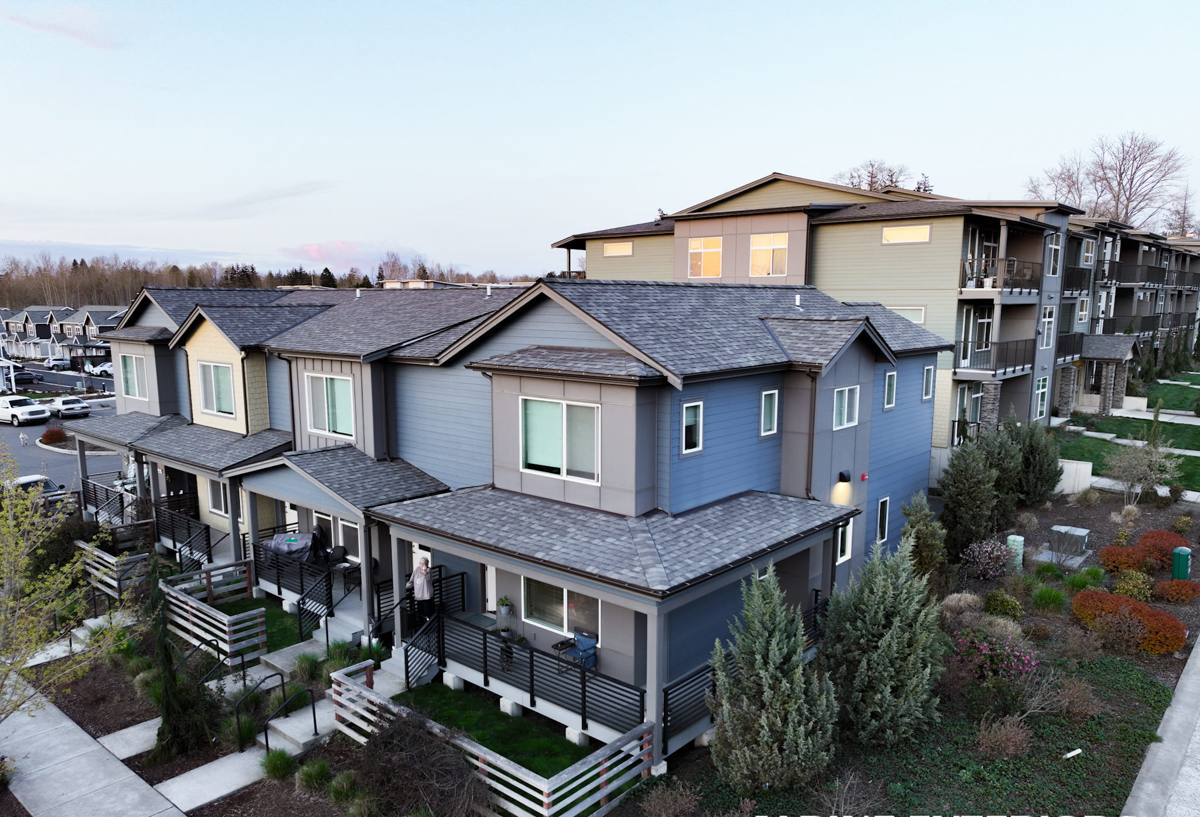
Homes in the Columbia area of Glenhaven sit in one of the tougher microclimates for exterior building materials in Whatcom County. The combination of salt-laden air off nearby waters, wind-driven rain that gets pushed sideways into window assemblies instead of falling straight down, and a moss season that can stretch for months creates conditions that most window products simply were not tested for in a lab. A window rated for a dry inland climate can perform very differently after a few winters of this kind of exposure.
Salt air is corrosive to metal hardware, aluminum cladding, and even some vinyl components over time, accelerating pitting and finish breakdown around hinges, locks, and cranks. Driving rain finds any weak point in flashing or sealant and pushes water uphill and sideways, which is why so many window failures in this area show up as rot at the sill or staining on the interior wall below the window rather than an obvious leak at the glass itself. And moss and algae, which thrive in the shaded, damp conditions common here, hold moisture against wood trim and frames long after a storm has passed, which is exactly the kind of sustained dampness that rots wood and breaks down caulk faster than dry-climate product testing would predict.
None of this means Columbia homes need exotic products. It means the installation details matter more here than they would in a milder climate, and that's the piece that gets overlooked most often.
Signs a Columbia Home Actually Needs Window Replacement
Not every drafty window needs full replacement, and not every old window is a lost cause. Here's what we actually look for during an assessment:
- Soft or spongy wood at the sill or the bottom corners of the frame, which usually means rot has already started
- Fogging or a persistent haze between panes on double- or triple-glazed units, meaning the seal has failed
- Visible gaps between the frame and the siding or trim, especially on walls that face prevailing wind and rain
- Difficulty opening, closing, or locking the window, which often points to a frame that has swelled, warped, or shifted
- Persistent moss or dark staining on the trim below a window, a sign that water has been running down the face of the wall for some time
- Noticeably higher heating bills or a cold draft you can feel standing near the window on a windy day
If you're seeing one or two of these, a repair or targeted resealing might be enough. If you're seeing several at once, or if the frame itself is compromised, replacement is usually the more honest recommendation, both for your comfort and for what it costs to keep patching an aging window versus doing the job once, correctly.
What a Correct Window Replacement Involves in This Climate
It's Not Just the Window Unit
The window itself is often the easy part. What determines whether a replacement lasts fifteen years or fails in five is almost entirely in the installation details around it: flashing sequence, sealant selection, and how the new unit ties into the existing wall assembly.
Flashing That Actually Sheds Water
In a driving-rain climate, flashing has to be installed in the correct shingle-lap order — each layer overlapping the one below it — so that any water that gets behind the siding is directed back out and down, never trapped against the frame or the wall sheathing. This is the single most common point of failure we see in older or poorly done replacements in this area, and it's invisible once the trim goes back on, which is exactly why it has to be done right the first time.
Sealants Built for Sustained Moisture
Not all caulks and sealants are equal, and in a climate with a long moss season and near-constant humidity, the cheaper products break down faster. We use sealants rated for sustained wet exposure and UV resistance, and we're deliberate about where sealant is used versus where a mechanical flashing detail should be doing the work instead — caulk is a backup, not a substitute for correct flashing.
Proper Air and Moisture Sealing at the Rough Opening
Between the window frame and the framing of the house, there should be a continuous air and moisture barrier, not just insulation stuffed into the gap. Done correctly, this stops both drafts and the kind of slow moisture intrusion that leads to hidden rot behind the drywall — the kind of damage you don't see until it's expensive.
Frame Material: What Holds Up Locally
| Material | Performance in Salt Air & Rain | Maintenance | Typical Fit |
|---|---|---|---|
| Vinyl | Good corrosion resistance; won't rot or rust | Low — occasional cleaning | Most budget-conscious replacements |
| Fiberglass | Excellent; very stable in temperature and moisture swings | Low | Homes wanting long-term durability and paintability |
| Wood (clad exterior) | Good if the exterior cladding is intact; interior wood adds warmth | Moderate — depends on cladding condition | Historic or traditional-style homes |
| Aluminum | Prone to pitting and corrosion in salt air over time | Higher — needs periodic attention to hardware and finish | Generally not our first recommendation on directly exposed walls here |
We don't rule aluminum out entirely — it has its place, particularly on protected elevations — but on walls that take direct salt air and driving rain, we typically steer homeowners toward vinyl or fiberglass because the long-term maintenance burden is lower and the corrosion risk to hardware is significantly reduced. This is a judgment call based on decades of watching how these materials actually age in Whatcom County, not a knock on any manufacturer.
Glass Packages Worth Knowing About
Double-pane, low-E, argon-filled glass is the reasonable standard for this climate — it manages the region's mild-but-damp winters and keeps interior surfaces warmer, which reduces condensation on the glass itself. Triple-pane adds further insulation value and can help with sound dampening if the home is near a busier road, but it also adds weight and cost, and for most Columbia homes the return on that upgrade is incremental rather than dramatic. We'll walk through what makes sense for your specific exposure and budget rather than defaulting to the most expensive option.
Our Process for a Columbia Window Replacement
- On-site assessment — we look at every window being considered, check for hidden rot or moisture damage at the sill and framing, and note which elevations take the most weather exposure
- Honest scope recommendation — we tell you plainly which windows need full replacement, which could be repaired, and why
- Material and glass selection — we walk through frame material and glass package options suited to your home's exposure, not a one-size-fits-all package
- Removal and inspection of the rough opening — once the old unit is out, we check the framing underneath for rot or prior water damage before anything new goes in
- Correct flashing and air-sealing installation — the step that determines whether the job lasts, done in the proper sequence every time
- Finish work — trim, caulking, and cleanup so the finished window looks right and sheds water correctly from day one
- Walkthrough — we go over the finished work with you before we consider the job done
Cost Factors to Expect
| Factor | Why It Matters |
|---|---|
| Number of windows and sizes | Larger and custom-sized units cost more than standard sizes |
| Frame material chosen | Vinyl is typically the most economical; fiberglass and clad-wood cost more upfront but often less over the life of the window |
| Glass package | Double-pane low-E is standard; triple-pane and specialty coatings add cost |
| Condition of the existing framing | Hidden rot discovered during removal adds repair scope before the new window can go in correctly |
| Elevation and exposure | Walls facing prevailing wind and rain sometimes warrant extra flashing detail or sealant work |
We're not going to quote a firm number without seeing the home — anyone who does that without an on-site look is guessing. But we'll always explain what's driving the cost on your specific job, including if we find something during removal that wasn't visible beforehand.
Why a Crew That Already Works Columbia Matters
Window replacement isn't a product you buy off a shelf — it's an installation, and installation quality is what determines whether you get fifteen-plus years out of a window or you're dealing with a soft sill and a moisture problem in five. A crew that regularly works Columbia and the broader Glenhaven area already knows which elevations take the worst of the driving rain, how moss behaves on the trim styles common to local homes, and what flashing details actually hold up here versus what looks fine on installation day and fails two winters later.
That local pattern-recognition is hard to get from a crew that mostly works inland or in a different climate zone. It's not about loyalty to a neighborhood — it's about having actually seen how these specific conditions age a window installation over time, and building the job around that experience rather than a generic install checklist.
Simple Maintenance That Extends the Life of New Windows
- Rinse salt residue and grime off frames and glass a few times a year, especially after storms
- Keep gutters and downspouts clear so roof runoff isn't sheeting down across window heads
- Trim back vegetation that shades window trim and keeps it damp longer than it needs to be
- Check caulk lines annually and have any cracking or gaps addressed before the wet season sets in
- Operate locks and hardware periodically, even on windows you don't open often, to keep moving parts from seizing
None of this is complicated, but skipping it is how a well-installed window ends up needing attention years earlier than it should.
If you're noticing drafts, staining, or stuck sashes on a Columbia-area home, we're happy to take a look and give you a straightforward, no-pressure estimate — no obligation, just an honest read on what your windows actually need. Use the form below to get started.