 Glenhaven Siding
 Roofing in Lynden Isn't the Same Job as Roofing Somewhere Dry
Lynden sits in a corner of Whatcom County where the weather doesn't let up for long. Homes here deal with a long wet season, driving rain that comes in sideways off the wind, and enough moisture in the air most months to keep moss and algae in business year-round. Add in the salt-tinged air that drifts in off the Sound on certain wind patterns, and you've got a roofing environment that punishes shortcuts. An asphalt shingle roof that would last 25 years in a drier climate can start showing real wear a decade earlier here if it wasn't installed with this specific weather in mind.
That's the lens we bring to every Lynden roofing job. This page is about one thing specifically: asphalt shingle roofing for homes in and around Lynden, what the climate demands of that roof, and how we handle the work so it actually holds up.
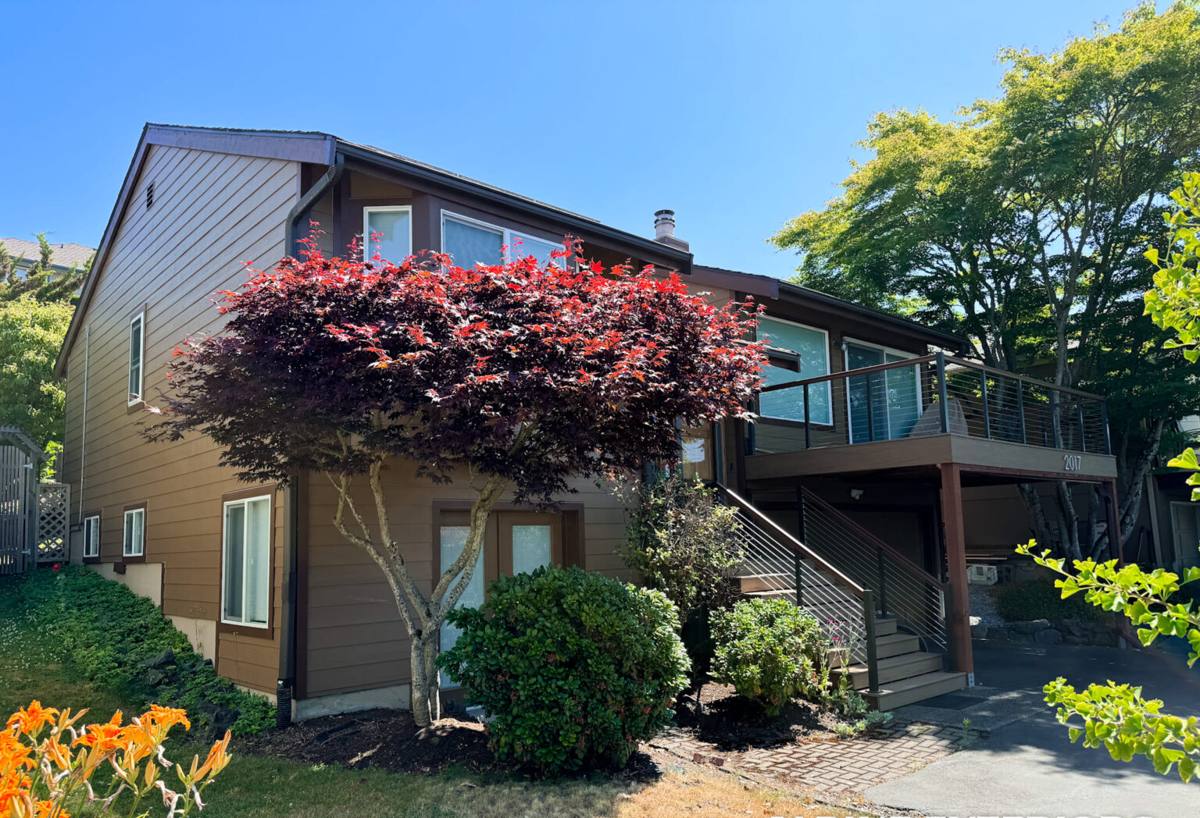
What Whatcom County Weather Actually Does to a Shingle Roof
It helps to understand the specific ways local weather attacks a roof, because it explains almost every decision that goes into a correct installation.
Driving Rain and Wind-Driven Water
Rain that falls straight down is easy for any roof to shed. Rain that comes in at an angle, pushed by wind off open fields or water, finds every weak seam, every under-lapped shingle edge, and every gap in flashing. Roofs in this area need tighter fastening patterns and more attention to flashing details than a fair-weather climate would require.
Moss and Algae Growth
Shade, moisture, and mild temperatures are exactly what moss wants, and Whatcom County offers all three for most of the year. Moss doesn't just look bad — it holds water against the shingle surface, works its way under tabs, and lifts granules loose over time. Left unchecked, a mossy roof ages faster than a clean one, regardless of shingle quality.
Salt Air and Corrosion
On days when the wind carries salt-laden air inland, that moisture settles on metal roof components — flashing, nail heads, vent stacks — and speeds up corrosion. It's a slower process than the rain and moss issues, but it matters for anyone planning to keep a roof in place for its full expected lifespan.
What a Correctly Built Asphalt Shingle Roof Needs Here
A roof that's going to hold up under this climate isn't just "shingles nailed to plywood." A few details matter more here than they would in a milder region.
Underlayment That Can Handle Wind-Driven Rain
We treat synthetic underlayment and self-adhered membrane at eaves, valleys, and penetrations as standard practice, not an upgrade. In a climate where water gets pushed sideways under shingle tabs during a storm, the underlayment is the actual waterproofing layer — the shingles are the first line of defense, not the only one.
Ventilation That Keeps Moisture Moving
A roof deck that can't breathe traps moisture underneath the shingles, which shortens shingle life from below while moss works on it from above. Balanced intake and exhaust ventilation matters as much here as the shingle brand you choose.
Flashing Done Right, Not Reused
Step flashing, counter-flashing, and valley flashing are places where a lot of roofs fail — usually because old flashing got reused to save time rather than replaced. We treat flashing as a full-replacement item on every re-roof, not a "if it looks okay" judgment call.
Fastening Patterns Rated for Wind
Correct nail placement and count, matched to the shingle manufacturer's high-wind installation instructions, is what keeps tabs from lifting during the kind of gusty, wet storms that roll through this area several times a year.
Signs a Lynden Roof Needs a Closer Look
Most roofing problems in this climate build slowly and are easy to miss from the ground. A quick self-check can catch issues before they turn into interior damage.
- Dark streaking or green-tinted patches on north-facing or shaded slopes — early algae or moss growth
- Granules collecting in gutters or downspouts, especially after a wind event
- Shingle edges that look curled, cupped, or lifted rather than lying flat
- Visible moss buildup at ridges, valleys, or anywhere debris collects
- Rusty streaking below metal flashing or vent stacks
- Any soft spots, sagging, or discoloration on interior ceilings after heavy rain
- Daylight visible through the attic roof deck, or damp insulation near the eaves
None of these on their own mean an emergency, but any of them are worth a professional look before the next wet season sets in.
Choosing a Shingle That Fits This Climate
Not every asphalt shingle product performs the same way once you factor in the moss, moisture, and wind this area sees. We walk homeowners through the trade-offs rather than defaulting to whatever's cheapest to install.
| Shingle Type | Typical Lifespan | Best Fit For | Trade-Off to Know |
|---|---|---|---|
| 3-Tab Asphalt | 15–20 years | Budget-conscious re-roofs, secondary structures | Lower wind rating and less moss resistance without added treatment |
| Architectural (Laminate) Asphalt | 25–30 years | Most primary homes in this climate | Higher upfront cost, but heavier, better wind and impact rating |
| Algae-Resistant (Copper/Zinc-Granule) Shingles | 25–30 years, better appearance retention | Shaded roofs or heavy tree cover | Slightly higher cost; granule technology reduces but doesn't eliminate moss risk |
| Impact-Rated Shingles | 25–30+ years | Homes prioritizing storm durability | Higher material cost; may qualify for insurance discounts |
For most Lynden homes, we lean toward architectural shingles with algae-resistant granules as the practical baseline — the moss and shade issues here are common enough that the upgrade pays for itself in fewer years lost to premature replacement.
How Our Process Works
Every re-roof or new installation follows the same sequence, whether it's a straightforward gable roof or something with more valleys and penetrations.
- On-site inspection of the existing roof, decking condition, and ventilation setup
- Written estimate covering material options, tear-off scope, and any deck repair contingencies
- Full tear-off to bare decking — we don't install a second layer over old shingles
- Deck inspection and repair of any soft or damaged sheathing found underneath
- Ice-and-water membrane at eaves, valleys, and penetrations, then synthetic underlayment across the field
- New flashing at all walls, valleys, and roof penetrations
- Shingle installation following the manufacturer's high-wind fastening pattern
- Ridge vent or other exhaust ventilation installed or confirmed adequate
- Final walk-through and cleanup, including a magnetic sweep for stray fasteners
We don't skip the tear-off step to save a day of labor, and we don't reuse flashing to save material cost. Both shortcuts are common ways a roof fails early in this climate, and neither shows up as a problem until years later when it's the homeowner's problem to deal with.
Maintenance That Actually Matters Here
A well-installed roof still needs some seasonal attention in a climate this wet. The good news is that the maintenance list is short and manageable if it's kept on schedule.
Keep Debris Off the Roof
Leaves, needles, and small branches trap moisture against the shingle surface and accelerate moss growth. Clearing debris, especially in valleys and against any uphill-facing edges, does more to extend roof life than almost anything else a homeowner can do.
Address Moss Early, Carefully
Moss is easier to manage when it's caught small. Pressure washing a shingle roof is a mistake — it strips protective granules and shortens shingle life. Gentle removal methods and zinc or copper strips near ridges are a better long-term approach than aggressive cleaning.
Check Gutters Before the Wet Season
Clogged gutters back water up under the shingle edge at the eaves, which is exactly where wind-driven rain already puts the most stress. A clear gutter system is part of keeping the roof itself dry.
Why It Matters That We Already Work in Lynden
A roofing crew that only shows up in this area occasionally tends to install to a generic specification and move on. A crew that works Lynden roofs regularly has already seen which details fail first in this specific climate — where moss collects, which valleys clog, which flashing details let water in during a sideways rainstorm — and builds around those lessons as standard practice, not an afterthought. That familiarity also means faster response if something needs attention after the roof is done, rather than waiting on a crew that has to travel in from somewhere else.
What a Fair Warranty Should Cover
Shingle manufacturers offer materials warranties, but those only cover product defects — they don't cover a poor installation. We stand behind our workmanship separately from the manufacturer's material warranty, and we walk every homeowner through exactly what each warranty does and doesn't cover before work starts. If a contractor can't clearly separate "material defect" from "installation issue" in their warranty explanation, that's worth asking more questions about before signing anything.
If your roof is showing wear, due for replacement, or you just want an honest read on its condition, we're happy to take a look. Use the form below to request a free, no-pressure estimate, and we'll walk the roof and give you a straight answer about what it actually needs.