 Glenhaven Siding
 Why Window Installation in Cordata Isn't a One-Size-Fits-All Job
Cordata sits in a part of Whatcom County where the weather doesn't do anything by half measures. Homes here take on salt-laden air drifting in off the water, long stretches of driving rain, and a moss season that can stretch from late fall well into spring. Windows installed with methods that work fine in a dry climate often fail early here — not because the window itself is bad, but because the flashing, sealing, and drainage details weren't built for this much sustained moisture exposure.
We install windows in Cordata regularly, which means we're not guessing at how a wall assembly behaves after ten winters of Pacific Northwest weather. We're working from what we've already seen fail, and what holds up.
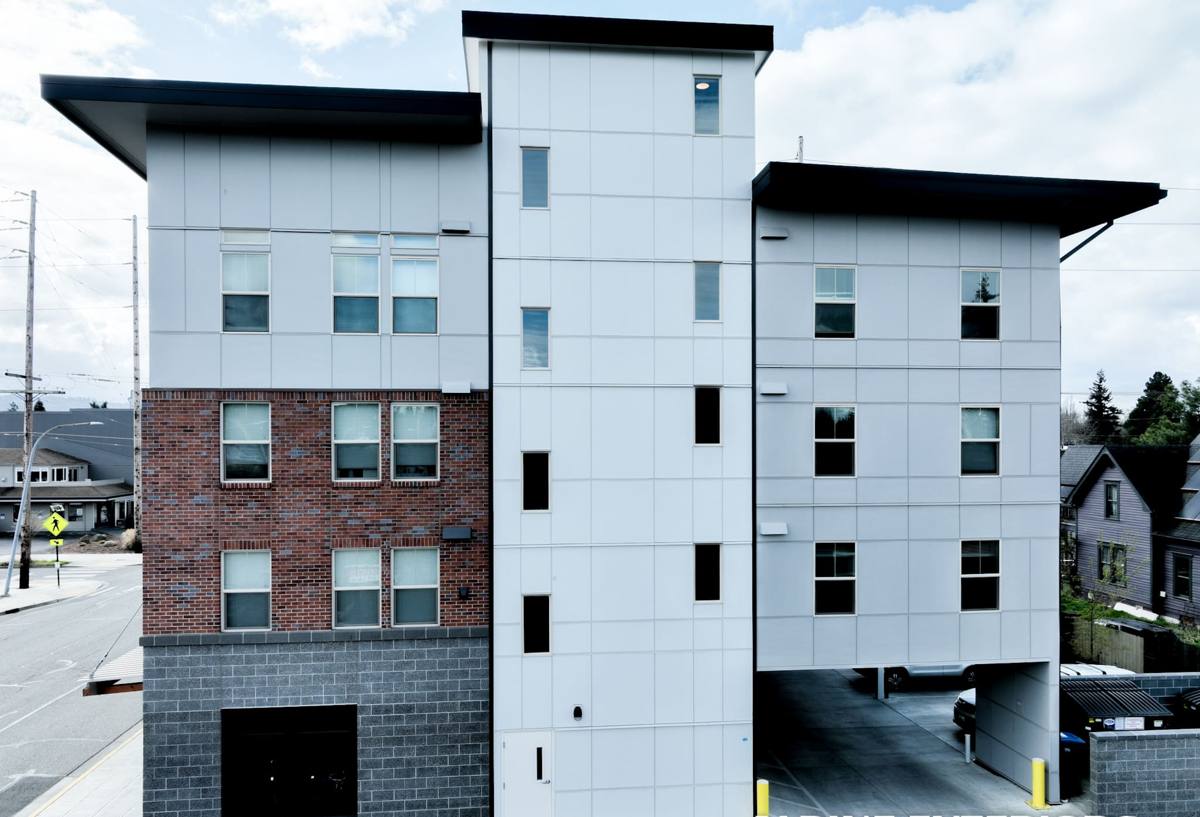
What Salt Air, Rain, and Moss Season Do to Windows
Salt air and metal components
Salt-laden air accelerates corrosion on window hardware, fasteners, and unprotected metal flashing. Cheaper hardware finishes and bare fasteners can start showing pitting and corrosion years before they should, which leads to stiff operation, leaking, or hardware that seizes up entirely.
Driving rain and wind-driven moisture
Whatcom County storms don't just drop rain straight down — wind pushes it sideways into wall assemblies. A window that's only sealed with caulk and no proper flashing plan will eventually let water behind the frame, where it can sit against sheathing and framing unnoticed.
Moss and prolonged dampness
A long moss season means more months of the year where exterior surfaces near windows stay damp rather than drying out between rain events. Moss and algae growth around window trim isn't just cosmetic — sustained dampness against wood trim and siding edges is exactly the condition that leads to rot if the water management behind the window isn't right.
What a Correct Window Installation Actually Involves
A window installation is only as good as what's underneath the trim. The parts nobody sees are the parts that determine whether the window performs for twenty years or starts leaking in five.
Sill pan flashing
Every window opening should have a sloped, sealed sill pan so any water that gets past the window drains back outward instead of sitting on the rough opening. This is one of the most commonly skipped steps in lower-cost installations, and it's one of the most important in a climate like ours.
Flashing sequencing
Flashing has to be layered correctly — sill, then jambs, then head flashing — so water always sheds downward and outward, never getting trapped behind a layer above it. Done out of order, flashing can actually direct water into the wall instead of away from it.
Air sealing and insulation
The gap between the window frame and the rough opening needs to be sealed and insulated correctly, not just stuffed with fiberglass or foam. Poor air sealing shows up later as drafts, condensation on interior glass, and higher heating bills.
Weatherproof exterior finish
Trim, caulking, and any exterior cladding tie-in need to be finished so water sheds away from every joint. This is also where moss and algae resistance starts — clean lines and proper drainage paths mean less standing moisture at the trim.
Choosing the Right Window for This Climate
Frame material and glass package both matter more here than in a milder or drier climate. Below is an honest comparison of the common options for a home in this area.
| Frame Material | Moisture Performance | Maintenance | Typical Lifespan |
|---|---|---|---|
| Vinyl | Good — won't rot or corrode | Low | 20-30 years |
| Fiberglass | Very good — dimensionally stable in temperature swings | Low | 30-40 years |
| Wood (clad exterior) | Good if cladding and flashing are correct; interior wood still needs protection | Moderate | 20-30 years with upkeep |
| Aluminum | Prone to corrosion in salt air unless well-coated; conducts cold | Moderate to high | Varies widely |
For most Cordata homes, we lean toward vinyl or fiberglass frames specifically because they don't give salt air or sustained moisture anything to corrode or rot. Wood-clad windows can still be a good fit for homes where the look matters, but the cladding and flashing details have to be done right, since any gap in the cladding exposes wood to exactly the conditions this area sees for months at a time.
Glass packages worth considering
Double-pane, low-E glass is the standard baseline for this climate. Homes that get more wind-driven rain or face open exposure may benefit from a slightly heavier-duty weatherstripping package or a triple-pane option, mainly for comfort and condensation control rather than strict necessity.
Our Installation Process, Start to Finish
- On-site assessment — we check existing window condition, rough opening health, and look for any signs of past moisture intrusion before quoting anything.
- Product selection — we walk through frame and glass options based on the specific exposure of that wall (sun, prevailing wind, rain shadow, etc.).
- Removal — old windows come out carefully so we can inspect the rough opening and framing underneath for hidden rot or damage.
- Opening prep and repair — any damaged sheathing or framing gets addressed before a new window goes in; installing a new window over compromised framing just hides a bigger problem.
- Sill pan and flashing installation — sloped sill pan, then correctly sequenced jamb and head flashing.
- Window set and shim — the unit is leveled, squared, and shimmed so it operates smoothly and seals evenly.
- Insulation and air sealing — the gap around the frame is sealed properly, not overpacked or left gapped.
- Exterior and interior trim — finished to shed water away from every joint, with attention to caulking lines that will hold up through repeated wet seasons.
- Final check — operation, seal, and drainage are all confirmed before we call the job done.
Signs Your Current Windows Are Failing
Homeowners in Cordata often notice these signs well before a full leak shows up indoors:
- Fogging or moisture between panes (failed seal on double-pane glass)
- Soft or discolored trim or sill wood around the window
- Drafts or noticeable cold spots near the frame in winter
- Windows that are hard to open, close, or lock
- Visible moss, algae, or dark staining on exterior trim near the window
- Paint or caulk that's cracking or pulling away from the frame
- Condensation on the interior glass that wasn't there before
Any one of these on its own isn't necessarily an emergency, but a couple showing up together is usually a sign the window's seal or flashing has started to give up.
Cost Factors for Window Installation in Cordata
Every home is different, but the same handful of factors drive most of the cost difference between jobs.
| Factor | Why It Matters |
|---|---|
| Number of windows | Per-window cost typically drops as the total count goes up |
| Frame material and glass package | Fiberglass and upgraded glass cost more upfront but hold up longer in this climate |
| Condition of the rough opening | Hidden rot or framing damage adds repair time before the new window goes in |
| Window size and type | Larger units, custom shapes, or operable styles beyond standard double-hung cost more |
| Access and site conditions | Second-story or hard-to-access windows take more time and equipment |
We'll always give a straightforward breakdown of what's driving the number on your specific home rather than a flat per-window price that doesn't account for condition or access.
Why a Crew That Already Works in Cordata Matters
There's a real difference between a crew that installs windows everywhere and one that regularly works this specific area. We already know what the wall assemblies in older Cordata-area homes tend to look like, where moisture problems tend to show up first, and what flashing details actually hold up through a full Whatcom County wet season rather than just looking fine on install day.
That local familiarity also means faster, more accurate assessments — we're not learning the regional climate on your job, and we're not surprised by what we find once the old window comes out.
Timing and Scheduling Around Local Weather
Window installation can be done for most of the year here, but we plan around the wettest stretches when possible to keep the opening protected and minimize the time framing is exposed. If a job does fall during a rainier window, we take extra precautions to keep the opening weather-tight at the end of each work day, since even a partially finished install shouldn't be left vulnerable overnight.
If you're weighing whether it's time to replace aging windows, or just want a straight answer on what a correct installation involves for your home, we're glad to take a look. Reach out for a free, no-pressure estimate — someone from our crew will walk the home, answer questions honestly, and give you a clear picture of your options before anything is decided.