 Glenhaven Siding
 Deck Building in Silver Beach: Built for the Conditions You Actually Have
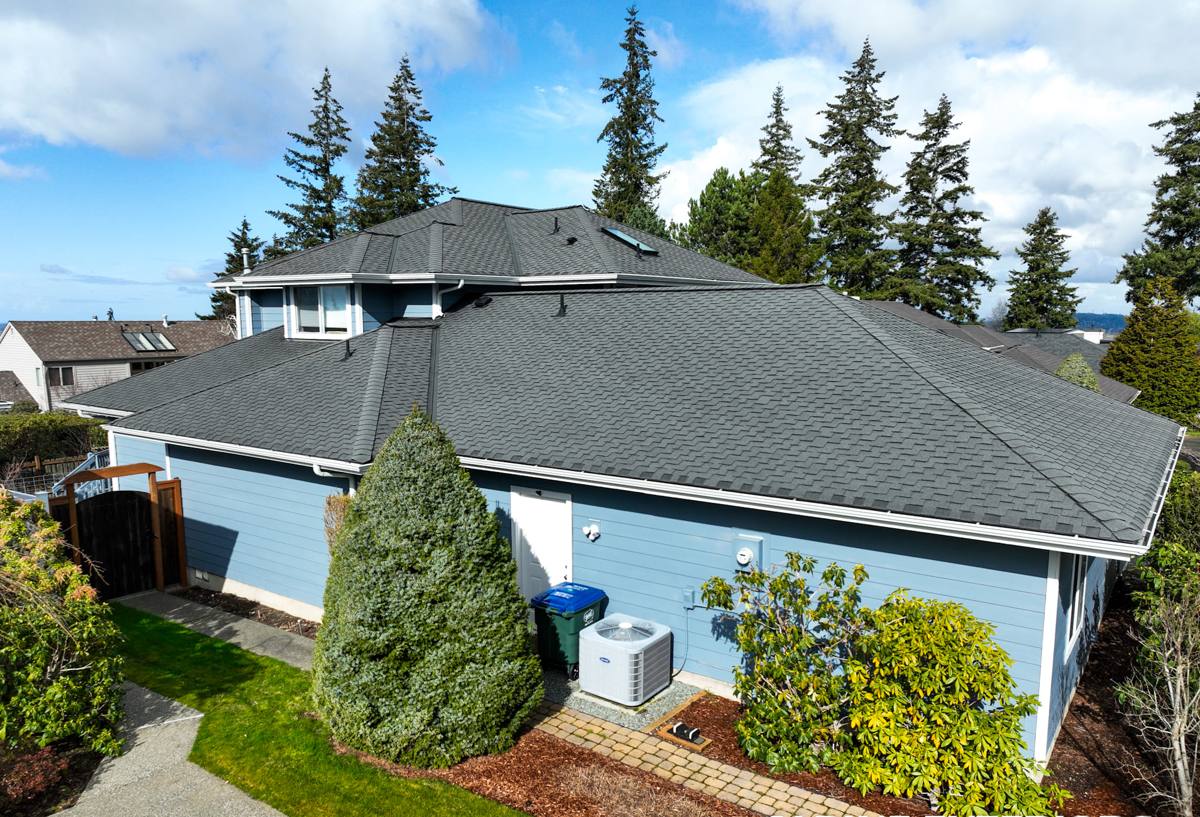
Silver Beach sits close enough to the water that the air itself works against a deck. Salt-laden moisture, near-constant fall and winter rain, and a moss season that can stretch six months or more all put a level of stress on outdoor structures that inland Whatcom County homes simply don't deal with. A deck built with generic, catalog-spec methods might look fine the first summer. By year three, you're looking at soft spots, rust bleed at the fasteners, and moss creeping up the shady side. We build decks in Silver Beach specifically to hold up against that environment, not against a national average.
This page covers what a deck actually needs to survive here, what a correct build looks like from the ground up, and how we run the job from first call to final walkthrough.
Why Silver Beach's Climate Is Harder on a Deck Than It Looks
Three things compound on any deck near the water here:
Salt Air and Metal Fasteners
Even a few blocks inland from the beach, airborne salt accelerates corrosion on standard fasteners, joist hangers, and structural screws. Once a fastener starts to rust, it doesn't just look bad — it loses holding strength, and rust stains bleed into the wood or composite around it. Ledger board connections and joist hangers are the parts most people never inspect, and they're exactly where salt-driven corrosion does its damage first.
Driving Rain and Standing Water
Whatcom County rain doesn't always fall straight down — wind off the water pushes it sideways into ledger connections, stair stringers, and any spot where two pieces of material meet. If flashing and drainage gaps aren't detailed correctly at the house connection, water gets behind the ledger board and starts rotting the rim joist before you ever see a sign of it on the surface.
Moss and Prolonged Dampness
A long moss season means any deck surface that doesn't shed water and dry out between rains becomes a growing surface. Moss holds moisture against the decking, and on wood that means accelerated rot; on composite, it means a slick, degraded surface and a maintenance headache. Boards laid too tight, or a substructure with poor airflow underneath, both make this worse.
What a Correctly Built Deck Includes Here
A deck that's actually built for Silver Beach conditions isn't a different design — it's the same deck, built with the right materials and details in the places that matter most.
- Stainless steel or heavy hot-dip galvanized (not electro-galvanized) fasteners and joist hangers rated for coastal/ground-contact exposure
- Proper ledger board flashing with a drainage gap, so water sheds away from the house rim joist instead of pooling behind it
- Joist tape or a comparable barrier on top of every joist to keep standing water out of end grain and fastener holes
- Decking gapped correctly for the material — enough for drainage and airflow, not so much that it looks sloppy or catches debris
- Ventilated substructure design so air moves underneath the deck instead of trapping moisture
- Footings sized and set to local frost and soil conditions, not a one-size-fits-all spec
- A wash-down or maintenance plan appropriate to the decking material chosen
Skip any one of these and you're not saving money — you're deferring a repair bill, usually to the exact spot that's hardest and most expensive to fix later: the ledger connection or the joists underneath the boards.
Decking Material Trade-Offs for a Salt-Air, High-Moss Environment
| Material | How It Handles This Climate | Maintenance Reality |
|---|---|---|
| Pressure-treated wood | Affordable, but end grain and fastener holes need sealing and rechecking; moss grows readily if not cleaned | Annual wash and re-seal recommended; expect the shortest service life of the common options |
| Cedar | Naturally rot-resistant and handles the wet climate well, but is softer and shows wear faster in high-traffic areas | Periodic oiling or sealing to maintain color and weather resistance |
| Composite decking | Sheds moisture well and won't rot, but can develop a mossy film if it never sees direct sun; some boards are more slip-resistant wet than others | Low maintenance — occasional wash to keep moss and algae from taking hold on shaded sections |
| PVC decking | Fully synthetic, handles moisture and salt air with no rot risk; performance depends heavily on correct installation and gapping | Lowest maintenance of the group, but higher upfront material cost |
None of these is a wrong choice on its own — the right one depends on your budget, how much shade the deck sits in, and how much upkeep you actually want to do. We'll walk through the honest trade-offs for your specific lot rather than pushing whatever's easiest for us to install.
Our Deck Building Process
1. On-Site Assessment
We look at sun and shade exposure, how close you are to the water, existing drainage on the property, and how the deck will connect to the house. This tells us how aggressively we need to spec fasteners, flashing, and ventilation.
2. Design and Material Selection
We go over decking and railing options against your budget and maintenance preferences, and we're straightforward about what each choice will actually require from you five and ten years out.
3. Permitting
Most new decks and many replacement decks in Whatcom County require a permit, especially anything attached to the house or built above a certain height. We handle that process so you don't have to chase it down yourself.
4. Structural Build
Footings, framing, ledger attachment, and hardware go in first, with every connection detailed for moisture and corrosion resistance before a single deck board goes down.
5. Decking, Railing, and Finish
Surface material and railing go on last, with attention to consistent gapping, clean fastener patterns, and stair details that hold up to wet, mossy conditions underfoot.
6. Final Walkthrough
We walk the finished deck with you, cover basic maintenance for the material you chose, and make sure you know what to watch for as the seasons change.
Repair, Rebuild, or Replace? Reading an Existing Deck
Not every deck in Silver Beach needs to be torn out. If the footings and framing are sound but the surface boards have moss damage or splintering, resurfacing may be enough. If the ledger connection shows rust staining, soft wood, or the deck feels spongy near the house, that's usually a sign water has been getting behind the flashing — and at that point, a proper rebuild of the structure is the honest recommendation, even if it costs more up front than a quick board swap.
Signs It's Time for More Than a Cosmetic Fix
- Soft or spongy decking, especially near the house connection
- Visible rust streaking below joist hangers or fastener heads
- Persistent moss or algae that comes back within weeks of cleaning
- Railings or stair stringers that flex or feel loose
- Gaps or separation where the ledger meets the house siding
What This Costs to Do Right
Deck projects vary widely based on size, material, height, and how much structural work is involved, so we won't quote a number without seeing the site. In general terms, pressure-treated wood decks run at the lower end of the cost range, cedar sits in the middle, and composite or PVC decking costs more upfront but less over time in maintenance. Structural work — new footings, a full ledger rebuild, or correcting a drainage problem — adds cost regardless of decking material, because that work has to be right no matter what surface goes on top of it.
Why a Crew That Already Works Silver Beach Matters
Building a deck to survive salt air and a long moss season isn't a different skill set — it's the same carpentry done with the right materials in the right places, and that only happens consistently when a crew has already seen what fails here and why. A contractor who mostly builds decks in drier, inland parts of Whatcom County may not think twice about fastener grade or ledger flashing detail, because it's never bitten them. We do this work in Glenhaven and the surrounding water-adjacent communities regularly, and we build every deck assuming the salt air and rain are part of the job, not an exception to plan around later.
If you're planning a new deck or dealing with one that's showing its age, we're glad to take a look and give you a straightforward, no-pressure estimate — just fill out the form below to get started.