 Glenhaven Siding
 Deck Replacement Built for the Realities of Lake Whatcom
Homes around Lake Whatcom sit close to the water, often tucked under heavy tree cover, and that combination is hard on a deck. Between driving rain, the salt-tinged marine air that moves through Whatcom County off the Sound, and a moss season that can stretch across most of the year, an outdoor deck here works harder than one built in a drier inland climate. When a deck starts to fail in this environment, it usually isn't one problem — it's years of moisture, shade, and organic growth working on the wood and hardware at the same time.
This page is specifically about deck replacement for Lake Whatcom homes — not a generic overview of decks everywhere. If your deck is past the point of spot repairs, here's what actually needs to happen to replace it correctly in this climate, and why it matters who does the work.
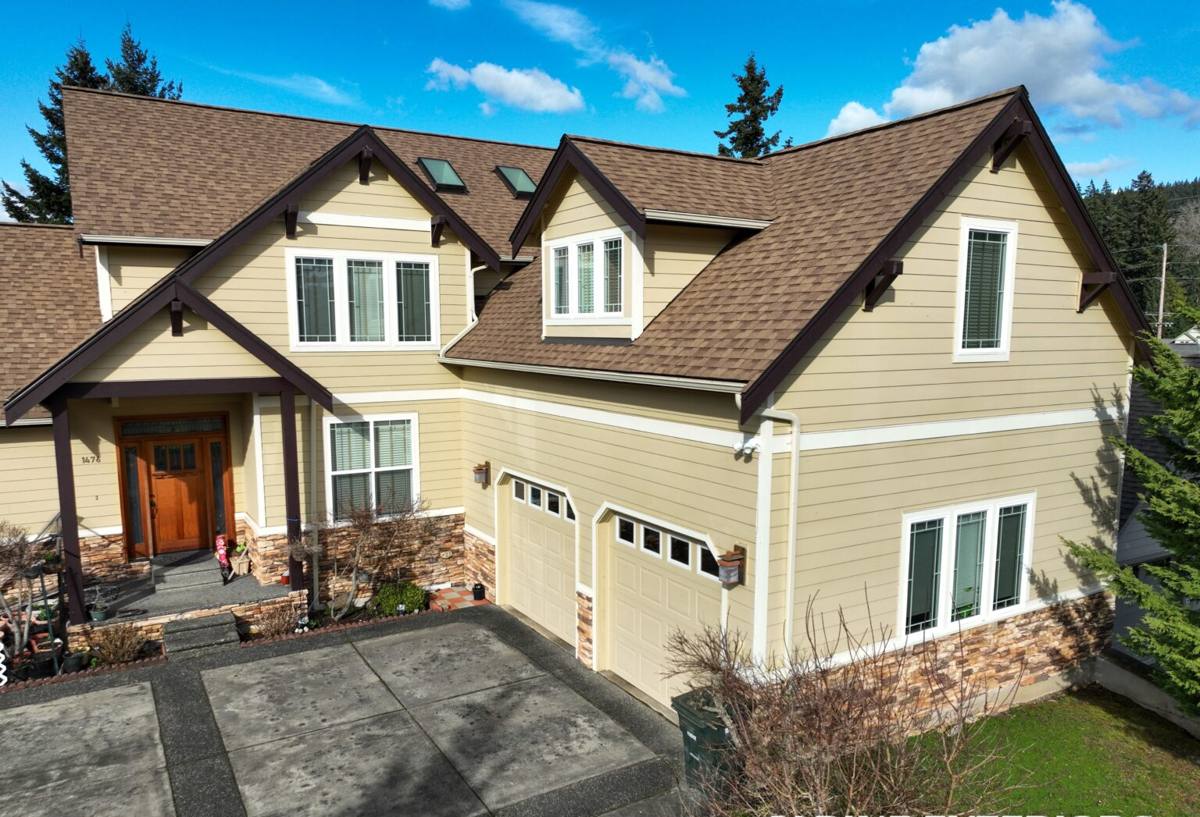
Why Decks Around Lake Whatcom Wear Out Faster
A few conditions specific to this area shorten the life of an outdoor deck if it wasn't built — or isn't maintained — with them in mind:
- Lake-effect humidity and shade. Tree cover and proximity to the water keep decking surfaces damp longer after rain, which is exactly the condition moss, algae, and rot need to take hold.
- A long moss season. Moss doesn't just look bad — it holds water against the board surface and works into seams, joints, and fastener heads.
- Driving rain and wind-driven moisture. Rain doesn't just fall straight down here; it drives sideways under railings and into ledger connections at the house, where a lot of hidden rot starts.
- Marine air and corrosion. The salt-tinged air common to this part of Washington accelerates rust on fasteners, joist hangers, and railing hardware that isn't rated for it.
- Fewer fully dry days. Wood that never gets a real chance to dry out between rain events stays at a higher moisture content year-round, which speeds up rot in untreated or poorly ventilated framing.
None of this means a deck can't last for decades near Lake Whatcom — it means the materials, fasteners, and structural details matter more here than they would somewhere drier.
Signs Your Deck Has Reached the End of Its Life
Not every deck problem means a full replacement. But there's a point where patching individual boards is just delaying a bigger repair. Walk your deck and check for these:
- Soft, spongy, or bouncy spots when you walk across the surface
- Rot at the ledger board — where the deck attaches to the house — often hidden until boards are pulled
- Rust streaks bleeding from fastener heads, joist hangers, or post connectors
- Moss or black algae that comes back within days of cleaning it off
- Gaps opening up between the deck and the house, or noticeable movement when the deck is loaded
- Guardrail posts that flex or wiggle under hand pressure
- A deck older than 15–20 years built with original, untreated lumber and standard hardware
If you're seeing two or more of these, especially anything involving the ledger board or framing, it's worth having someone evaluate the structure before spending more money on surface repairs.
What a Correct Deck Replacement Actually Involves
It starts below the decking, not above it
A deck replacement that's done right isn't just new boards laid over old framing. The framing, ledger connection, and footings are what determine whether the new deck lasts 10 years or 30 — and in a wet, shaded climate, that structure needs to be built to shed water, not trap it.
Key structural details we check on every job
- Ledger board and flashing: This is the single most common failure point on decks in wet climates. Proper flashing and moisture barrier between the ledger and the house siding keeps water from wicking into the house framing.
- Footings and posts: Sized and set to local frost and load requirements, not just "what was there before."
- Joist spacing and hardware: Matched to the decking material you choose — composite and wood often call for different spacing.
- Fasteners and connectors: Hot-dip galvanized or stainless steel, rated to resist the corrosion that marine air and constant moisture cause over time.
- Airflow underneath: Decks built tight to the ground or over poor drainage stay damp longest — grading and clearance matter as much as the lumber itself.
Decking Material Options for Lake Whatcom Homes
There's no single "right" material for every homeowner — it depends on your budget, how much maintenance you want to take on, and how much shade and moss exposure your specific site gets. Here's how the common options compare in this climate:
| Material | Moisture/Moss Resistance | Maintenance | Typical Lifespan |
|---|---|---|---|
| Pressure-treated lumber | Good if sealed regularly; moss still grows on the surface | Annual cleaning and periodic sealing/staining | 10–15 years before major repairs |
| Cedar | Naturally rot-resistant, but surface still needs upkeep in shade | Regular sealing to preserve color and resistance | 15–20 years with maintenance |
| Composite decking | Very good — doesn't absorb water like wood, but can still grow surface algae in deep shade | Occasional washing, no sealing/staining | 25–30+ years |
| PVC decking | Excellent moisture resistance | Low — mainly periodic washing | 25–30+ years |
In heavily shaded, lake-adjacent yards, we often steer homeowners away from raw untreated wood left unsealed, simply because the maintenance burden to keep moss and rot at bay is higher than most people want to keep up with. That's a maintenance and moisture trade-off, not a knock on wood decking generally — plenty of homeowners are happy to stay on top of a yearly cleaning and sealing schedule, and cedar or treated lumber can absolutely be the right call for the look and budget they want.
Our Deck Replacement Process
- On-site assessment. We look at the existing deck, the ledger connection, framing condition, and site drainage — not just the surface boards.
- Structural evaluation. Where rot or hidden damage is suspected, we check it before quoting, so the estimate reflects what's actually needed.
- Material and design discussion. We walk through decking, railing, and hardware options based on your budget and how much upkeep you want going forward.
- Permitting. Depending on the size, height, and location of the deck, a permit through the local building department may be required — we handle that step.
- Tear-out. Full removal of the old deck surface and, where needed, framing.
- Structural rebuild. New or reinforced footings, framing, ledger flashing, and corrosion-resistant hardware sized for the new decking.
- Decking and railing installation. Installed to manufacturer spec, including proper spacing for drainage and expansion.
- Final walkthrough. We go over the finished deck with you, including basic care guidance for our climate.
Cost Factors in a Lake Whatcom Deck Replacement
Every deck is different, so we won't quote a number without seeing the site — but these are the factors that move the price up or down:
| Factor | Why It Matters |
|---|---|
| Deck size and shape | More square footage and complex angles mean more material and labor |
| Decking material | Composite and PVC cost more up front than treated lumber, less over time in upkeep |
| Structural repairs | Rotted ledger boards, footings, or framing found during tear-out add to the scope |
| Railing style | Basic wood or metal railing costs less than glass panels or custom composite systems |
| Site access and slope | Decks on sloped, lake-facing lots can require more complex footing and post work |
| Permitting/engineering | Larger or elevated decks may need engineered plans, which adds time and cost |
Why Hiring a Crew That Already Works Lake Whatcom Matters
Lake Whatcom sits within a watershed area that Whatcom County and the City of Bellingham pay close attention to, since it's a source of drinking water for the region. That doesn't mean every deck project triggers extra review, but it does mean site work near the shoreline can involve permitting steps that a contractor unfamiliar with the area might not anticipate. A crew that already works in Glenhaven and around the lake knows which projects typically need a permit, roughly what the local building department expects to see, and how to plan around it instead of discovering it mid-project.
Local experience also means knowing which materials and details actually hold up here versus which ones look fine in a showroom but struggle under this much shade and moisture. That's the kind of judgment that only comes from doing this work, in this specific climate, repeatedly — not from a national playbook written for a drier region.
Keeping Your New Deck Ahead of the Moss Season
A well-built deck still needs some seasonal attention in this climate. A few habits go a long way:
- Sweep off leaves and debris regularly — they trap moisture and feed moss growth
- Trim back overhanging branches and brush where possible to let more light and air reach the deck surface
- Rinse or lightly scrub visible moss and algae before it gets a foothold, rather than after it's established
- Check and re-seal wood decking on the schedule recommended for your product
- Make sure gutters and downspouts direct roof runoff away from the deck footings, not onto them
- Do a quick annual check of railings and fastener heads for early rust or looseness
Staying ahead of moss and moisture is far less work than dealing with rot down the line, and it's the difference between a deck that looks tired after a few winters and one that still looks good a decade in.
If your deck is showing its age or you're just not sure whether it needs repair or full replacement, we're happy to take a look. Reach out for a free, no-pressure estimate using the form below.