 Glenhaven Siding
 Deck Repair Built for Nooksack's Weather
Decks in and around Nooksack take on a specific combination of punishment that inland or drier-climate decks never see. You've got salt-tinged air moving in off the water, driving rain that comes in sideways more often than straight down, and a moss season that can stretch from late fall well into spring. Individually, none of these are dramatic. Together, over several years, they quietly break down the parts of a deck that homeowners can't see until a board flexes underfoot or a railing post wiggles more than it should.
We work on decks throughout the Glenhaven area, and Nooksack calls come in with a recognizable pattern: soft spots near the house where the deck meets the siding, moss creeping into board seams, and fasteners that have started to bleed rust streaks down the face of the decking. None of that is unusual for this part of Whatcom County. What matters is catching it at the repair stage, before it turns into a full rebuild.
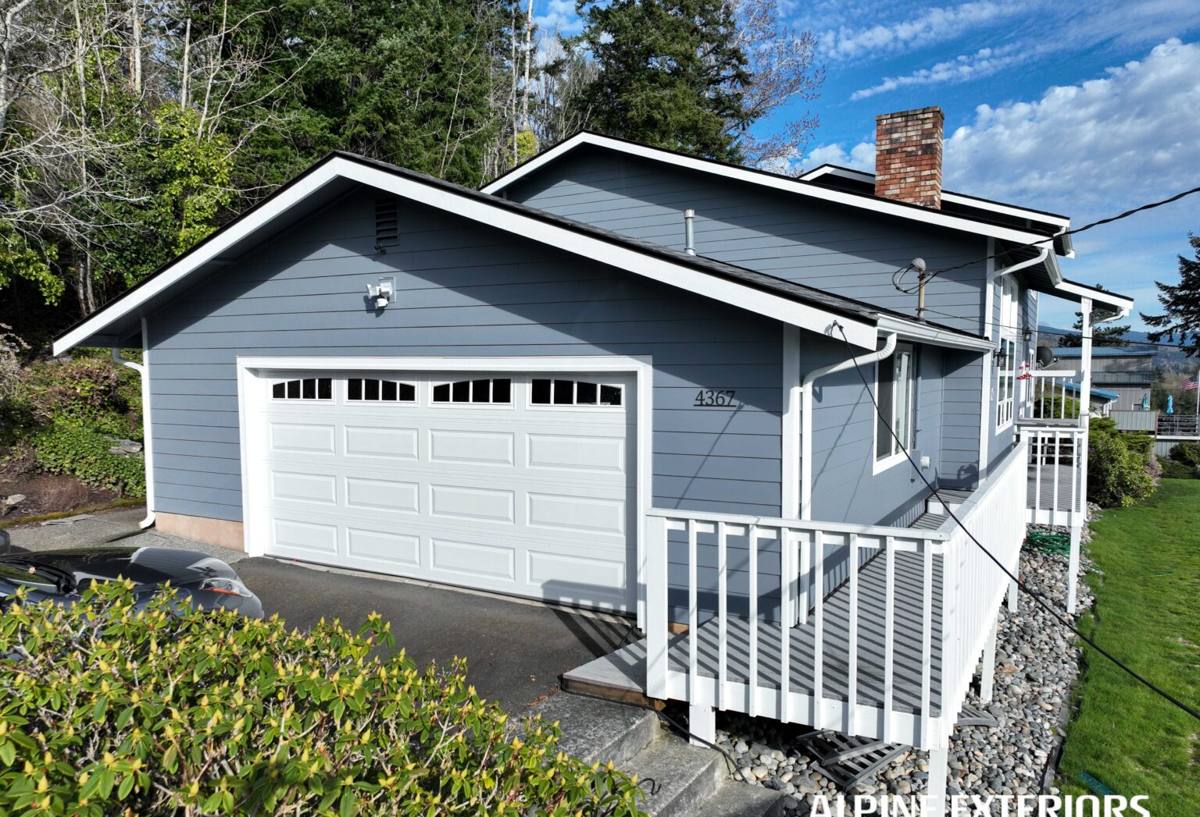
Why Local Decks Wear the Way They Do
Salt Air and Metal Fatigue
Homes closer to the water pick up airborne salt that settles on every exposed surface, including deck hardware. Standard fasteners and connectors that aren't rated for coastal exposure corrode faster here than the same products would inland. That corrosion isn't just cosmetic — a rusted joist hanger or a corroded ledger bolt loses holding strength long before it looks structurally alarming.
Driving Rain and Water Intrusion
Whatcom County rain doesn't always fall straight down. Wind-driven rain gets pushed under railings, into board gaps, and against the ledger board where the deck attaches to the house. That's the single most common failure point we find on local decks — water working its way behind flashing or into an under-flashed ledger connection, then sitting there because the framing underneath doesn't dry out between storms.
Moss Season
A long, damp moss season means organic growth gets a real foothold on decking, especially on the north side of a house or under trees where sunlight doesn't reach. Moss holds moisture against the wood or composite surface far longer than open air would, and it works its way into seams and screw holes. Left alone through a few wet seasons, that trapped moisture accelerates rot in wood decking and can void warranty coverage on some composite products if the manufacturer's maintenance terms aren't followed.
Signs Your Deck Needs Repair, Not Just Cleaning
Some deck problems are cosmetic and some are structural. Knowing the difference before you call anyone saves you from either overpaying for a full rebuild or underestimating a real safety issue. Here's what we look for on a site visit:
- Boards that feel spongy, springy, or noticeably softer than the boards around them
- Rust streaking below screw heads or nail heads
- Gaps or separation where the deck ledger meets the house wall
- Railings or posts that move when pushed, even slightly
- Visible moss or algae buildup that returns quickly after cleaning
- Discoloration or staining on the siding directly above the ledger board
- Stair stringers that flex or feel uneven underfoot
- Gaps between decking boards that have widened unevenly over time
If you're only seeing surface graying or light moss on the boards themselves, that's often a cleaning and sealing job, not a repair. If you're seeing softness, movement, or staining at connection points, that's a structural issue worth having looked at before it's ignored through another wet season.
What a Correct Deck Repair Actually Involves
A repair that only replaces the board you can see, without checking what's underneath, tends to fail again within a season or two — especially in this climate. We treat every repair call as a chance to check the structure, not just patch the surface.
Structural Inspection First
Before replacing anything, we check the ledger board connection, joist condition, post bases, and any flashing that's supposed to be keeping water out of the framing. A lot of the damage that shows up on the surface actually starts at one of these connection points.
Fastener and Hardware Upgrades
If we're opening up a section of deck that was built with standard fasteners, we typically upgrade to hardware rated for wet, salt-exposed conditions. Replacing rotted wood with the same fastener type that contributed to the corrosion in the first place doesn't solve the underlying problem.
Flashing and Water Management
Ledger board flashing gets checked and corrected as part of any repair near the house. This is the piece that's easiest to skip and most responsible for repeat rot problems when it's done wrong or left out entirely.
Board and Railing Replacement
Damaged boards, posts, or railing sections get replaced with matching or compatible material. Where a full material match isn't practical on an older deck, we'll walk you through the options honestly rather than forcing a mismatch or a full-deck replacement you don't need yet.
Wood vs. Composite: Repair Considerations
Both materials show up on Nooksack decks, and both can be repaired well — but the failure patterns and repair approach differ.
| Factor | Wood Decking | Composite Decking |
|---|---|---|
| Common failure mode here | Rot at fastener points and board ends, moss trapping moisture | Fastener corrosion, surface staining, occasional core swelling at cut ends |
| Repair approach | Sistering or replacing damaged framing/boards, refastening with corrosion-resistant hardware | Board replacement, resealing cut ends, correcting drainage so water doesn't pool |
| Moss resistance | Lower — absorbs and holds moisture | Higher on the surface, but seams and end cuts still need attention |
| Typical repair frequency | More frequent spot repairs over the deck's life | Less frequent, but often pricier per repair when needed |
| What we check first | Framing and fastener condition under the boards | Manufacturer installation specs and drainage/ventilation under the boards |
Neither material is a bad choice for this climate when it's installed and maintained correctly. Where we see the most repeat problems is on decks — wood or composite — where the original installation cut corners on flashing, fastener choice, or ventilation underneath the deck surface.
Our Repair Process
- On-site inspection. We walk the full deck, not just the area you're worried about, and check framing, connections, and drainage.
- Honest assessment. You get a clear picture of what's a repair and what, if anything, is closer to end-of-life for that section.
- Written estimate. No pressure, no upsell into a full rebuild if a targeted repair will hold up.
- Repair work. Structural fixes first, then surface replacement, using fasteners and flashing appropriate for this climate.
- Final walkthrough. We show you what was done and what to watch for going forward, including simple maintenance that extends the life of the repair.
What Affects the Cost of a Deck Repair
| Factor | Why It Matters |
|---|---|
| Extent of rot or hidden damage | A repair that turns out to involve joists or the ledger board, not just surface boards, takes more time and material |
| Deck size and access | Larger decks or ones with limited access under the structure take longer to inspect and repair properly |
| Material match | Matching older or discontinued decking can add time; composite repairs sometimes cost more per board than wood |
| Structural vs. cosmetic scope | Fastener and flashing corrections add labor but prevent the same failure from recurring |
| Railing and code items | Railing repairs sometimes surface code-related updates depending on the deck's age |
We don't quote a number without seeing the deck, because the range between "replace six boards" and "rebuild the ledger connection" is wide, and guessing over the phone does you no favors.
Maintenance That Extends a Repair's Life
A repair done right can last a long time out here, but Whatcom County's climate doesn't reward decks that get ignored between wet seasons. A short annual routine goes a long way:
- Clear moss and debris from board seams before the wet season sets in
- Check that gaps between boards aren't clogged, so water can actually drain through
- Look at the ledger board area for staining or gaps at least once a year
- Reseal or refinish wood decking on the manufacturer's or a reasonable multi-year schedule
- Keep gutters and downspouts near the deck clear so runoff isn't dumping directly onto it
- Address rust staining or loose fasteners as soon as you notice them, not at the end of the season
Why Hiring a Crew That Already Works Nooksack Matters
Deck repair isn't a one-size-fits-all trade. A crew that mostly works drier inland climates may not think twice about fastener grade or flashing detail, because it hasn't cost them a callback yet. Out here, those shortcuts show up faster — usually in the form of a repair that looks fine for a year and then fails again in the same spot.
We're a Glenhaven-based crew, and Nooksack is part of our regular service area, not a special trip. That means we've seen how the local combination of salt air, driving rain, and moss season plays out on real decks over multiple seasons, and we build repairs to hold up against that specific set of conditions rather than a generic checklist.
Get a Straight Answer on Your Deck
If you're noticing soft boards, rust stains, moss that keeps coming back, or a railing that doesn't feel as solid as it used to, it's worth having a local crew take a look before another wet season adds to the damage. We offer free, no-pressure estimates for deck repair in Nooksack and the surrounding Glenhaven area — use the form below to get one scheduled.