 Glenhaven Siding
 Why Fairhaven's Coastal Climate Puts Extra Demands on a Roof
Homes in Fairhaven sit close enough to the water that salt-laden air is a constant, low-grade force acting on every exposed metal surface, fastener, and flashing detail on a roof. Add in the driving rain that blows sideways during Whatcom County's fall and winter storms, plus a moss season that can stretch for months in the shade of mature trees, and you have a roofing environment that punishes shortcuts. A roof that would hold up fine in a drier, inland part of the state can fail early here if it wasn't built with this specific combination of exposures in mind.
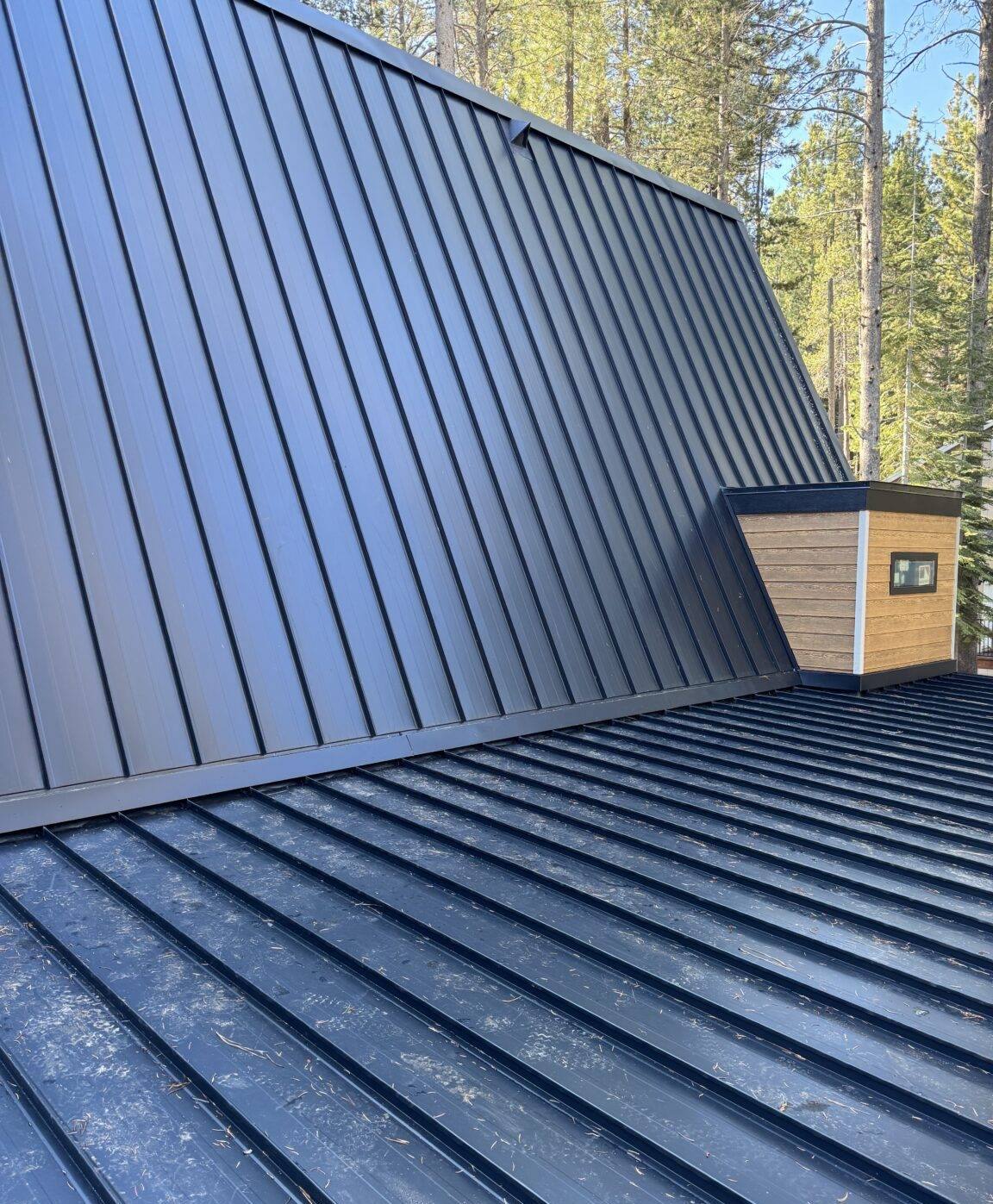
Metal roofing, done correctly, is one of the strongest answers to that combination. It sheds water fast, doesn't give moss the porous surface it needs to colonize, and — when the right alloy, coating, and fastener package is used — resists the corrosion that salt air causes over time. Done incorrectly, though, metal roofing can trap moisture, corrode at the fasteners, or fail at the flashing long before the panels themselves wear out. The material is only as good as the installation.
What Salt Air, Wind-Driven Rain, and Moss Actually Do to a Roof
Salt Air and Corrosion
Airborne salt accelerates oxidation on any unprotected or poorly coated metal. On a roof, that shows up first at cut edges, fastener heads, and anywhere the factory coating has been scratched or compromised during handling or installation. Over years, corrosion at these small points can undermine an otherwise sound roof system — which is why panel gauge, coating quality, and fastener material all matter more here than they would further inland.
Wind-Driven Rain and Water Intrusion
Rain that falls straight down is easy to shed. Rain that's being pushed sideways by wind off the water finds every gap in a roof system that wasn't detailed for it — under-lap seams, poorly sealed penetrations, and flashing that relies on caulk instead of proper mechanical lapping. Fairhaven's storm pattern means a roof needs to handle water intrusion from angles a fair-weather installation never gets tested against.
Moss and Trapped Moisture
Moss needs a damp, shaded surface with some texture to grip. Mature tree cover and persistent moisture in this part of Whatcom County create ideal moss conditions for months at a time. On roofing materials with any surface texture or granulation, moss can establish itself, hold moisture against the roof surface, and shorten the material's working life. Smooth, properly sloped metal roofing gives moss far less to hold onto, but valleys, low-slope sections, and shaded north faces still need attention.
Choosing a Metal Roofing System That Fits This Climate
Not all metal roofing is built the same way, and the differences matter more in a coastal, high-moisture climate than they would in a milder one. The table below compares the main systems we discuss with Fairhaven homeowners.
| System | Corrosion Resistance | Moss Resistance | Maintenance Needs | Typical Cost Tier |
|---|---|---|---|---|
| Standing seam (concealed fastener) | Very good — no exposed fasteners for salt air to attack | Excellent — smooth, steep-shed surface | Low | Higher |
| Exposed-fastener panel | Fair — depends heavily on fastener quality and gasket condition | Good | Moderate — fasteners need periodic checking | Lower to mid |
| Stone-coated steel | Good — coating protects the steel base | Good, though textured surface needs occasional rinsing | Moderate | Mid to higher |
Coatings and Fasteners Matter as Much as the Panel
Two roofs using the same panel profile can perform very differently depending on the coating system and the fasteners used to hold it all together. In a salt-air environment, we favor fastener packages and coating specifications built for coastal exposure rather than the standard inland package a supplier might default to. This is a detail that's easy to skip and hard to notice until years later, when the fasteners are the first thing to show corrosion.
Panel thickness, usually described by gauge, also plays a role. A thicker panel resists dents from hail and debris and holds its shape better over decades of expansion and contraction, but it also costs more and isn't always necessary on every roof. We size the gauge to the roof's exposure and the homeowner's budget rather than defaulting to the heaviest option on every job.
What a Correct Metal Roof Installation Actually Involves
Ventilation and Underlayment
Metal roofing needs to breathe. Trapped moisture underneath the panels — from condensation rather than a leak — can cause problems that have nothing to do with the roof's exposure to weather. A correct install includes proper attic or roof-deck ventilation and a high-quality synthetic or self-adhered underlayment sized to the roof's slope and exposure, not just whatever comes bundled with the panel order.
Flashing, Penetrations, and Edge Detail
Most roof failures happen at transitions, not in the middle of a flat panel run: valleys, chimneys, vents, wall intersections, and eaves. In a driving-rain climate, these details need to be mechanically lapped and sealed correctly, not just caulked and hoped for. This is the part of a metal roof job that separates a roof that performs for decades from one that develops leaks within a few winters.
Fastening and Panel Layout
Panel layout affects how well a roof sheds wind-driven rain, and fastener spacing affects both wind uplift resistance and long-term corrosion exposure. We lay out panels to minimize seams facing the prevailing weather and use fastening patterns matched to the panel manufacturer's specification for this wind and rain exposure, not a generic pattern used everywhere.
Signs a Fairhaven Roof Is Ready for a Metal Roofing Upgrade
Homeowners in Fairhaven often start looking into metal roofing after noticing the same handful of warning signs on an aging roof. Persistent moss regrowth in the same spots season after season, granule loss on an older asphalt roof, rusting flashing around chimneys and vents, or recurring leaks near valleys are all signs that the existing roofing is losing its ability to shed water and resist this climate. None of these on their own means a roof is a total loss, but together they usually point to a roof nearing the end of its useful life in a coastal, high-moisture environment.
A straightforward inspection can usually tell you which category a roof falls into: minor repairs that buy a few more years, or a roof that's fighting a losing battle against the moisture and salt air it sits in every day. We're upfront about which situation a home is actually in before recommending a full metal roofing project.
Our Process for Fairhaven Metal Roofing Projects
- On-site inspection. We look at the existing roof deck, ventilation, moss and moisture patterns, and how the home is oriented to prevailing wind and rain before recommending a system.
- System recommendation and plan. Based on the inspection, we recommend a panel type, coating, and fastener package suited to the home's specific exposure — not a one-size-fits-all package.
- Deck preparation. We address any deck damage, add or correct ventilation, and install underlayment rated for the climate before a single panel goes on.
- Installation. Panels, flashing, and trim go in following the layout plan, with particular attention to valleys, penetrations, and edges.
- Final walkthrough. We review the finished roof with the homeowner, explain what maintenance, if any, it needs, and make sure every detail was addressed before we consider the job done.
Keeping a Metal Roof Performing in This Climate
A well-installed metal roof in Fairhaven needs less upkeep than most other roofing materials, but "less" isn't "none." A short annual routine goes a long way:
- Clear debris and organic buildup from valleys and low-slope areas where moisture and moss are most likely to collect
- Rinse off any moss or algae growth before it has a chance to establish, rather than scraping it once it's rooted
- Check that gutters and downspouts are flowing freely, especially before the fall storm season
- Look at exposed fasteners (on exposed-fastener systems) for early signs of corrosion or a loosened gasket
- Trim back tree limbs that keep sections of the roof shaded and damp longer than the rest
What Drives Cost on a Fairhaven Metal Roofing Project
Every metal roofing quote is different, but the factors that move the number are consistent: the panel system chosen, the complexity of the roof (number of valleys, penetrations, and planes), whether the existing roofing needs to be torn off or can be built over, the condition of the deck underneath, and the coating and fastener package specified for coastal exposure. A steep, simple gable roof with a straightforward tear-off costs less to do right than a roof with multiple valleys, dormers, and chimneys — regardless of which panel system is chosen. We walk through these factors with every homeowner during the estimate so there are no surprises once work begins.
Why Hire a Crew That Already Works in Fairhaven
A roofing crew that mostly works inland, drier parts of the state can install a technically correct roof and still miss the details that matter here — the fastener spec that accounts for salt air, the underlayment choice for a longer wet season, the flashing detail that handles rain coming in sideways off the water. Working regularly in this specific stretch of Whatcom County means we've seen how roofs here actually age, not just how a manufacturer's spec sheet says they should perform in ideal conditions.
Glenhaven Siding Company builds every metal roofing project around the realities of this climate, not a generic install. That's the difference between a roof that needs attention again in a few years and one that quietly does its job for decades.
If you're considering metal roofing for your Fairhaven home, we're happy to walk your roof, talk through what your home actually needs, and put together a straightforward, no-pressure estimate using the form below.