 Glenhaven Siding
 Ferndale Roofs Work Harder Than Most
Ferndale sits in a stretch of coastal Whatcom County where the roof over your head is doing three jobs at once: shedding a long, wet rainy season, standing up to salt-laden marine air rolling in off the Salish Sea, and staying clean enough that moss doesn't get a foothold and start lifting shingles from underneath. Any one of those on its own is manageable. All three, year after year, is what actually wears a roof out ahead of schedule.
We're a siding contractor first, which means we spend our days looking at how water moves across the entire outside of a house, not just the shingles. A huge share of the "roof leaks" we get called out for in Ferndale turn out to be failures right at the line where the roof meets the wall — the exact seam where roofing and siding trades have to agree on the details or water finds its way in. That's the lens we bring to roof repair, and it's worth understanding before you hire anyone to fix a leak.
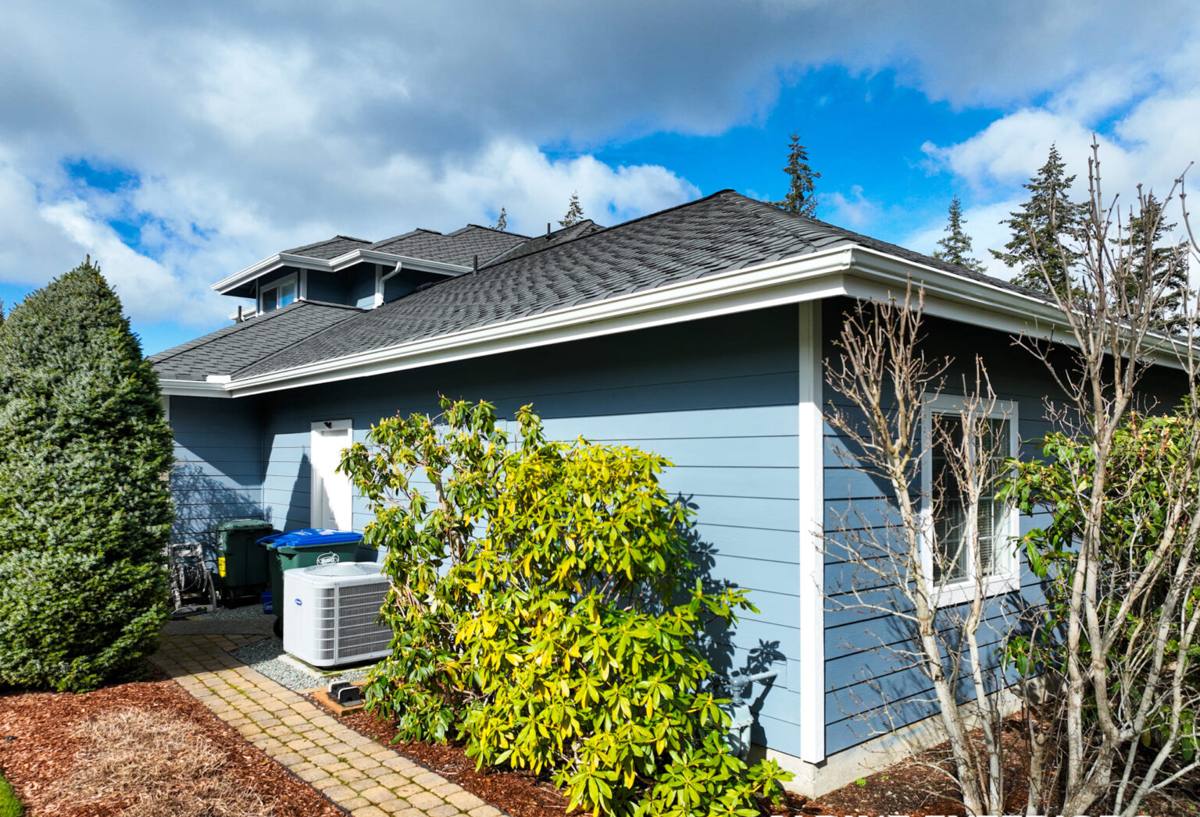
What the Climate Actually Does to a Roof Here
Driving Rain
Storms in this part of Washington rarely fall straight down. Wind-driven rain pushes water sideways and uphill under shingle edges, into nail heads, and behind flashing that would be perfectly fine in a calmer climate. Repairs that aren't detailed for driving rain — a patch that relies on gravity alone — tend to fail again within a season or two.
Salt Air
Being close to the water means metal components on a roof — flashing, fasteners, vent caps, gutter hardware — are exposed to salt-laden moisture in the air even on dry days. Bare or lower-grade fasteners corrode faster here than they would twenty miles inland, and corroded fasteners are one of the most common hidden causes of a "mystery" leak.
A Long Moss Season
Whatcom County's wet season runs long, and shaded, north-facing roof slopes in particular stay damp for months at a stretch. That's exactly what moss needs. Moss doesn't just look bad — its root structure holds moisture against the roof surface and physically works its way under shingle tabs, lifting them just enough for wind-driven rain to get underneath.
Signs a Ferndale Roof Needs Repair, Not Just a Cleaning
- Moss growing in thick mats rather than a light green film, especially on north-facing slopes
- Granules collecting in gutters or at the base of downspouts
- Shingle tabs that are curling, cracked, or missing after a windstorm
- Staining or a soft spot on an interior ceiling, especially near an exterior wall or chimney
- Rust streaks below flashing, vent boots, or metal valleys
- Daylight visible through the roof deck from inside an attic
- Gutters pulling away from the fascia or overflowing during normal rain, not just downpours
Any one of these on its own might be minor. Two or three together, especially heading into the wet months, usually means it's time to have someone look before it turns into interior damage.
What a Correct Roof Repair Actually Involves
A roof repair done right isn't just replacing what's visibly damaged. It's a short sequence of decisions, and skipping any of them is how a "fixed" roof leaks again the following winter.
1. Find the Real Source, Not Just the Symptom
Water travels. A stain on a ceiling six feet from an exterior wall can trace back to a flashing gap much higher and further away than the stain suggests. We trace the path before we start pulling shingles, because patching where the water shows up instead of where it's getting in wastes a visit and your money.
2. Check the Decking Underneath
Once shingles come off, the plywood or plank decking underneath tells the real story. Soft, delaminating, or discolored decking has to be cut out and replaced before any new roofing goes down — covering damaged decking with new shingles just hides the problem for another season.
3. Get the Flashing Right
Flashing — the metal detailing around chimneys, vents, skylights, and roof-to-wall transitions — fails more often than the shingle field itself. Correct flashing repair means proper laps, sealant used as a backup rather than the primary defense, and, where roofline meets siding, coordination between the two so water is directed out and down rather than trapped behind the wall covering.
4. Match the Material
New shingles that don't match the existing course in color, style, or exposure stand out and can create a slightly different water path than the surrounding roof. We source the closest match available and blend repairs into existing courses where possible, rather than dropping in an obviously different patch.
5. Fasten and Seal for This Climate
Given the salt air and wind-driven rain, we use corrosion-resistant fasteners and proper nailing patterns rather than shortcuts, and we seal transitions in a way that accounts for water moving sideways, not just down.
Repair or Replace? How We Help You Decide
Not every roof problem calls for a full replacement, and not every roof is worth another round of patches. Here's the honest framework we walk homeowners through:
| Factor | Points Toward Repair | Points Toward Replacement |
|---|---|---|
| Roof age | Under roughly two-thirds of the material's expected lifespan | Near or past the material's expected lifespan |
| Extent of damage | Isolated to one area, slope, or flashing detail | Spread across multiple slopes or recurring in different spots |
| Decking condition | Sound, dry decking under the damaged area | Soft, rotted, or repeatedly wet decking |
| Repair history | First or second repair on this roof | Third or more repair attempt on the same area |
| Material availability | Matching shingle or panel still obtainable | Discontinued material with no reasonable match |
Cost naturally varies with the size of the affected area, how steep and accessible the roof is, whether decking needs to be replaced, and what material is involved. We give a written estimate after inspection rather than a phone quote, because guessing at scope over the phone almost always undersells or overshoots the real number.
How We Approach a Repair, Start to Finish
- Walk the exterior and, when safe, the roof surface itself to document damage and likely cause
- Check the attic or interior side where accessible, since interior signs often confirm what's happening on the roof deck
- Provide a written scope and estimate before any work starts, including whether decking replacement is likely
- Complete the repair with matched materials and climate-appropriate flashing and fasteners
- Clean up the work area, including removing old material and debris, before we leave
We don't sell a full roof replacement to fix a flashing leak, and we don't quietly re-patch the same failing area for the third time without telling you that repair has stopped making financial sense.
Why the Roof-Siding Connection Matters More Here Than It Looks
Most roofing-only contractors stop at the drip edge. But a large share of leaks in this region show up at roof-to-wall intersections, kickout flashing at the bottom of a roof-wall junction, and step flashing tucked behind siding courses — areas where roofing work and siding work physically overlap. Because we install and repair siding every week, we know how that transition is supposed to be built, and we catch missing or undersized kickout flashing that a lot of past "roof repairs" leave in place because it's technically outside the roofer's scope. Fixing the shingle without fixing that transition just moves the leak a few feet down the wall.
Keeping a Ferndale Roof Between Repairs
A repair holds up longer with a little ongoing attention, especially given how long moss season runs here:
- Keep gutters and downspouts clear so water isn't backing up under the shingle edge
- Have moss treated or removed before it forms thick, water-holding mats, particularly on shaded slopes
- Trim back overhanging branches that keep a section of roof shaded and damp longer than the rest
- After any major windstorm, do a visual check from the ground for lifted or missing shingles
- Have flashing and fastener condition checked every few years, not just when a leak appears
Why It Matters to Hire a Crew That Already Works in Ferndale
A repair crew that regularly works this part of Whatcom County already knows which materials hold up against the local salt air and moss cycle, already carries the right corrosion-resistant fasteners on the truck, and isn't learning the region's driving-rain patterns on your roof. Familiarity with Whatcom County permitting and code requirements also matters when a repair crosses into decking replacement or structural work that needs to be done to code, not just patched over. Local experience shows up less in any single repair and more in how few of those repairs need a return visit.
If you're seeing moss buildup, a stain that won't go away, or damage after a storm, we're glad to take a look. We offer free, no-pressure estimates — use the form below to get one scheduled.