 Glenhaven Siding
 Why Geneva Roofs Wear Differently Than Roofs Inland
Geneva sits close enough to open water that homes here deal with a combination most inland Whatcom County neighborhoods don't: salt-laden air moving in off the water, rain that comes sideways as often as it comes straight down, and a shady, damp growing season that gives moss months at a time to get established. Any one of those on its own is manageable. Together, they shorten the useful life of roofing materials that aren't specifically chosen and installed with this climate in mind.
A roof that would hold up fine in a drier, more sheltered part of the state can fail early here — not because the material is bad, but because it wasn't matched to the site. Metal roofing, done correctly, is one of the more climate-appropriate options for Geneva homes. But "metal roofing" covers a wide range of products and installation quality, and getting it right matters more here than in milder conditions.
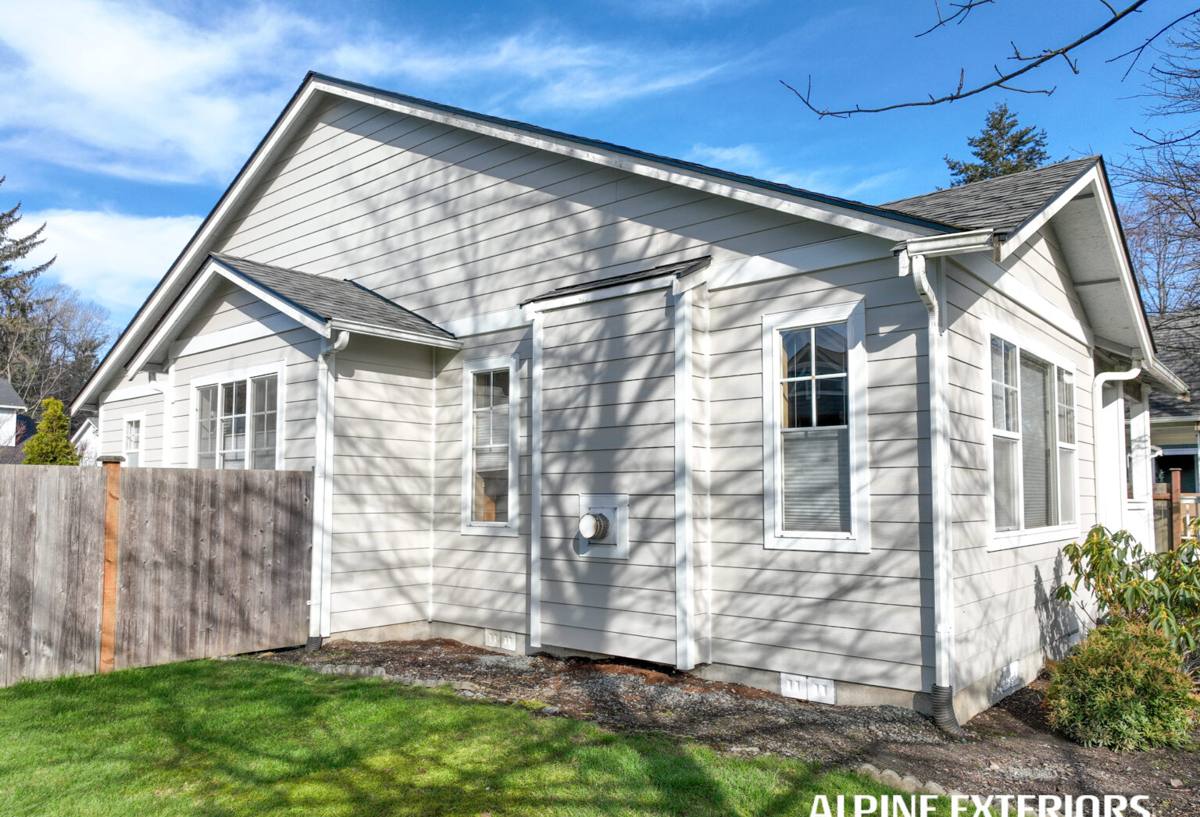
What Salt Air, Driving Rain, and Moss Actually Do
Salt Air and Corrosion
Airborne salt is corrosive to unprotected or poorly coated metal, and it accelerates the breakdown of fasteners, flashing, and exposed edges faster than plain moisture alone. It doesn't take direct waterfront exposure — homes set back from the water still get enough salt-bearing air moved through by wind and weather systems to matter over a 20-30 year roof life.
Driving Rain and Wind-Driven Water
Rain that comes in at an angle finds its way under laps, around fasteners, and into transitions that would stay dry in a straight-down rain. This is less about total rainfall and more about wind direction and duration — the kind of weather that pushes water uphill under a lap seam if the underlying details weren't built for it.
Moss and Sustained Moisture
A long moss season means more months where a roof surface stays damp instead of drying out between storms. Moss holds water against roofing material, works into seams and granules, and on some materials it can lift edges and hold moisture where it does the most damage — right at fastener penetrations and low-slope transitions.
Why Metal Holds Up Well Against This Combination
Metal roofing has a few structural advantages that line up directly with Geneva's climate challenges:
- Nothing for moss to root into. Metal doesn't have the granular, porous surface that gives moss and algae something to grip. It can still collect organic debris in valleys and low spots, but it doesn't host growth the way composition shingles do.
- Steep water shed. Standing seam profiles in particular move water off fast, which matters when rain is wind-driven and coming in sideways rather than straight down.
- Fewer exposed penetrations. A well-designed standing seam system has far fewer through-fasteners than shingles or exposed-fastener metal, which means fewer points where salt air and water can start a corrosion cycle.
- Long service life when the coating is right. A correctly specified finish resists the coastal environment for decades rather than years.
None of that is automatic, though. It depends on choosing the right panel system, the right metal and coating, and installing it with details built for wind-driven rain — not just following a generic install pattern.
Standing Seam vs. Exposed Fastener
| Factor | Standing Seam | Exposed Fastener (screw-down) |
|---|---|---|
| Fastener exposure | Concealed clips, no face penetrations | Screws penetrate the panel face |
| Wind-driven rain performance | Strong — raised seams shed water uphill | Adequate, but gaskets wear and can leak over time |
| Long-term maintenance | Low — no fasteners to re-check | Fastener washers should be inspected periodically |
| Typical cost | Higher material and install cost | Lower upfront cost |
| Best fit | Full roof replacements, coastal exposure, steep or complex rooflines | Outbuildings, shops, budget-driven projects |
For a primary residence in Geneva, we generally steer people toward standing seam when budget allows, specifically because of the fastener exposure difference. Exposed-fastener panels aren't a bad product — they're just more maintenance-sensitive in a salt-air environment, since every screw is a potential entry point once the washer gasket ages.
Choosing the Right Metal and Finish
The base metal and the coating matter as much as the panel profile. This is where a lot of corrosion problems on coastal and near-coastal homes actually start — not with the panel shape, but with an under-specified coating for the environment.
| Material | Corrosion Resistance | Notes for Geneva |
|---|---|---|
| Galvalume steel | Good, with a proper paint finish | Common, cost-effective; coating quality matters more than in inland areas |
| Aluminum | Very good — doesn't rust | A strong choice for closer-to-water exposure; slightly higher cost |
| Bare/mill-finish steel | Poor without coating | Not recommended this close to salt air |
On top of the base metal, the paint or coating system is what actually faces the weather day to day. A premium PVDF-type finish (often referred to by trade names like Kynar 500) holds color and resists chalking and coastal degradation far longer than a basic polyester coating. We'll walk through the coating options and what each is rated for so you're choosing based on how it performs here, not just how it looks in a sample chip.
What a Correct Installation Actually Involves
The panels get most of the attention, but a metal roof's performance against wind-driven rain and moisture is decided mostly by the details underneath and around them.
Underlayment
We use a synthetic, high-temp underlayment as a secondary water barrier under the panels, with self-adhered ice-and-water membrane at eaves, valleys, and other vulnerable transitions. This is the layer that protects the deck if wind-driven rain ever does push past the panel seams.
Fastening and Panel Layout
Panel runs are laid out to minimize seams in high-exposure areas, and fastener spacing is set to the wind and uplift conditions for the site — not just a generic pattern. Concealed clips on standing seam allow the panel to expand and contract with temperature without stressing the fasteners.
Flashing, Valleys, and Penetrations
Valleys, chimneys, vent stacks, and wall transitions are where most metal roof leaks actually originate, not the flat field of the roof. We custom-fabricate flashing to fit the actual geometry of the roof rather than relying on stock trim pieces that leave gaps for wind-driven rain to exploit.
Edge and Drip Detail
Proper drip edge and gutter apron detailing keeps water moving off the roof edge instead of wicking back under the panel — a common failure point when driving rain hits an eave directly.
Our Process
- On-site assessment. We look at roof geometry, exposure to prevailing wind and moisture, existing moss or algae growth, and any current trouble spots before recommending a system.
- Material and finish selection. We walk through panel profile, metal type, and coating options against your budget and how close your home sits to open water.
- Tear-off or overlay evaluation. Some roofs can accept metal over existing decking with a proper underlayment; others need a full tear-off. We'll tell you honestly which applies.
- Installation. Underlayment, panels, custom flashing, and edge details go in with attention to the transitions most likely to be tested by wind-driven rain.
- Final walkthrough. We review the completed roof with you, including what routine maintenance (if any) it needs going forward.
Maintenance: What Actually Needs Attention
One of the real advantages of metal is how little ongoing maintenance it needs compared to shingles — but "little" isn't "none," especially in this climate.
- Clear debris from valleys and low-slope transitions where organic material and moss spores can collect, even on metal.
- Check that gutters and downspouts are clear so water isn't backing up against the roof edge during heavy rain.
- After major windstorms, a quick visual check for lifted flashing or debris impact is worth doing.
- On exposed-fastener systems, have fastener washers inspected every few years — this is the one wear item that salt air and UV exposure will eventually affect.
- Keep overhanging branches trimmed back to reduce both debris load and the shade that helps moss get established.
Why a Crew That Already Works in Geneva Makes a Difference
Roofing crews that mostly work drier, more sheltered parts of the state don't always account for wind-driven rain in their flashing details or default to a coating spec that's fine inland but under-built for salt exposure. Working regularly in Geneva and the surrounding Whatcom County communities means we're specifying materials and installation details based on what actually holds up here — not a generic install pattern that happens to work most places.
We're also familiar with the roof geometries and exposure patterns common in this area, which means fewer surprises during the estimate and a more accurate read on what your specific roof needs before work ever starts.
Is Metal Roofing the Right Call for Your Home?
Metal isn't automatically the right answer for every home or every budget — it's a higher upfront investment than asphalt shingles, and the payoff shows up over the long term in reduced maintenance and a longer service life rather than in the first few years. For homes with heavy moss exposure, steep or complex rooflines, or a location that gets the full brunt of wind-driven rain off the water, it's often the more sensible long-term choice. For others, a well-installed shingle roof with good moss-resistant detailing may make more financial sense. We'll give you an honest read on which fits your situation rather than pushing one product.
If you're weighing options for a roof in Geneva, we're happy to walk the property, talk through what your roof is actually dealing with, and put together a free, no-pressure estimate using the form below.