 Glenhaven Siding
 Roofing Built for the Puget Stretch of Whatcom County
Homes in the Puget area of Glenhaven sit in a tough spot for a roof. You're close enough to the water to get salt in the air, exposed enough to catch driving rain off passing fronts, and shaded and damp enough, much of the year, to grow moss on anything that holds moisture for more than a day or two. An asphalt shingle roof that would hold up fine in a dry inland climate can wear out early here if it isn't installed with these conditions in mind. This page covers what that actually means for a Puget home — what the climate does to a roof, what a correctly installed shingle system needs to include, and how we approach the work.
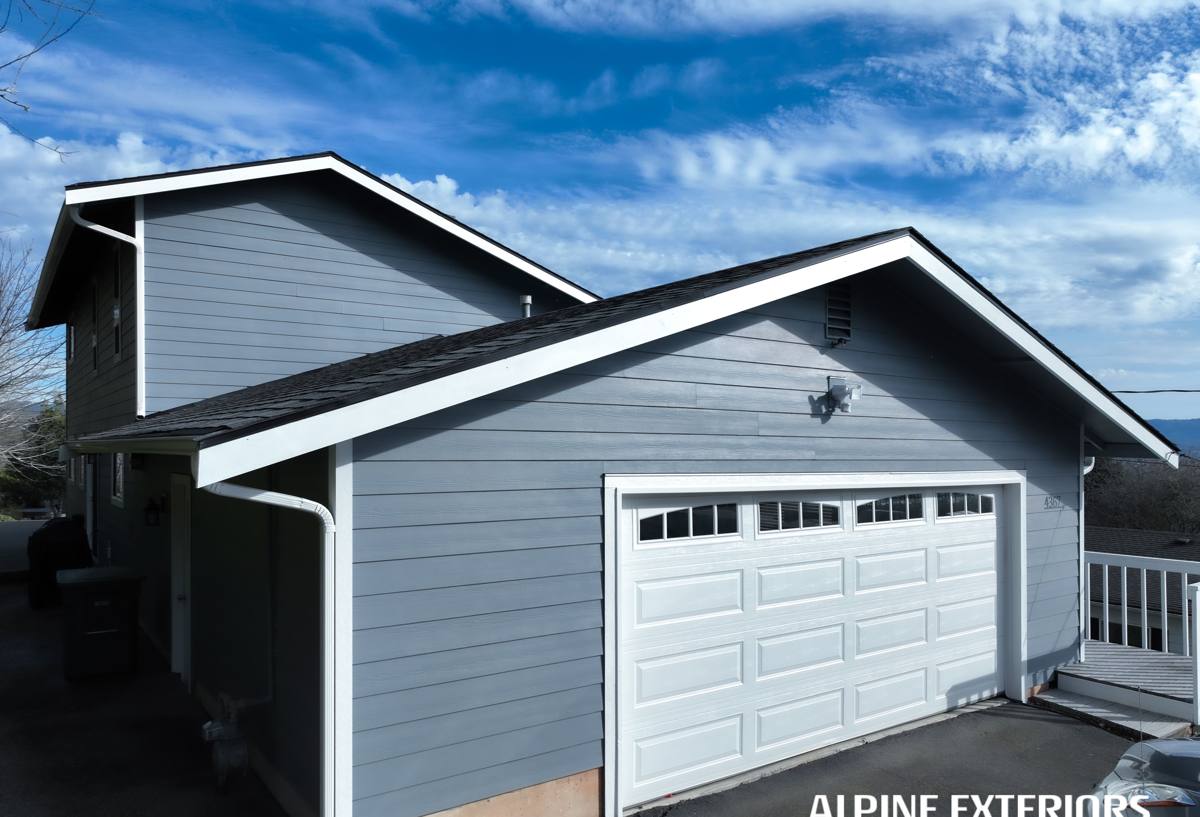
What Local Conditions Do to an Asphalt Shingle Roof
Salt Air and Corrosion
Salt-laden air doesn't just affect homes right on the water — it travels, and in Whatcom County's coastal weather patterns it reaches well inland. On a roof, salt exposure speeds up corrosion on exposed metal: nail heads, flashing, vent stacks, and any fasteners that aren't rated for it. Once a fastener starts to corrode, it loses holding power, and that's how shingles start lifting in wind long before the shingles themselves are worn out.
Driving Rain and Wind-Driven Water
Puget gets its share of storms that push rain sideways instead of straight down. Wind-driven rain finds every gap in flashing, every under-lapped shingle course, and every place where underlayment was cut short. A roof that's fine in a calm, straight-down rain can still leak in a driving storm if the details underneath the shingles weren't done right.
Moss, Algae, and Prolonged Moisture
Long stretches of overcast, damp weather are normal for this part of Washington, and that's exactly what moss and algae need to establish. Moss holds moisture against the shingle surface, works its way under shingle edges as it grows, and can lift tabs enough to let water in. Left unaddressed over a few seasons, it shortens the life of an otherwise sound roof.
What a Correctly Installed Shingle Roof Actually Includes
Tear-Off and Deck Inspection
We don't install new shingles over old ones, and we don't skip checking the deck. Once the old roofing is off, we inspect the sheathing for soft spots, delamination, or rot — usually found around old flashing points or areas that have taken on moisture over time — and replace any bad sections before anything new goes down.
Underlayment and Water Barrier
A synthetic underlayment goes down as the roof's backup layer, and we pay particular attention to vulnerable areas — valleys, eaves, and roof-to-wall transitions — where a self-adhered water barrier gives an extra line of defense against wind-driven rain and ice.
Balanced Attic Ventilation
Ventilation is easy to overlook because it isn't visible once the job is done, but it matters as much as anything else on this list. A balanced intake-and-exhaust system keeps the attic dry and temperature-stable, which protects the shingles from underneath and helps prevent condensation that can encourage rot and mold in a damp climate like this one.
Flashing at Every Transition
Chimneys, skylights, sidewalls, and valleys are where roofs actually fail — rarely in the open field of shingles. We install new step flashing, counter-flashing, and valley metal rather than reusing old pieces, since corroded or poorly-fitted flashing is one of the most common causes of leaks we get called out to fix on roofs that "shouldn't" be leaking yet.
Fastening and Shingle Installation
Correct nail placement, count, and pattern matter more in a windy, wet climate than in a mild one. We follow manufacturer nailing specs to the letter — this is also what keeps a shingle warranty valid, since most manufacturers will deny a wind-related claim if the fastening pattern doesn't match their requirements.
Choosing a Shingle Class for This Climate
Not every shingle handles Puget's combination of wind, rain, and moss growth the same way. Here's how the common options compare for a coastal Whatcom County home:
| Shingle Type | Wind Rating | Algae/Moss Resistance | Typical Lifespan Here |
|---|---|---|---|
| Standard 3-Tab | Lower (60-70 mph) | Standard granules, needs added treatment | 15-20 years |
| Architectural (Laminate) | Higher (110-130 mph) | Often available with algae-resistant granules | 25-30 years |
| Impact-Rated Architectural | Higher, plus impact resistance | Algae-resistant options available | 25-30+ years, better long-term durability |
For most Puget homes, we recommend an architectural shingle with algae-resistant granules as the practical baseline — the wind rating and moisture performance are simply better matched to what this stretch of Whatcom County sees in a typical year. Standard 3-tab shingles still have a place on budget-driven projects like outbuildings, but we're upfront when a lower-tier product is likely to need moss treatment or premature repair sooner than a homeowner might expect.
Our Process, Start to Finish
- On-site assessment: We walk the roof (or use a ladder/lift inspection where pitch or access requires it), check the deck condition where visible, and note flashing, ventilation, and any moss or moisture issues.
- Written estimate: You get a clear scope — materials, tear-off, disposal, flashing, ventilation work — with no vague allowances buried in the price.
- Material selection: We go over shingle options and color at this stage, including trade-offs on wind rating and algae resistance for your specific exposure.
- Permitting: We pull the required permit and schedule inspections as needed for your jurisdiction.
- Tear-off and deck repair: Old roofing comes off, the deck is inspected, and any damaged sheathing is replaced before anything new goes down.
- Installation: Underlayment, water barrier, flashing, ventilation components, and shingles go in per manufacturer spec.
- Cleanup and walkthrough: We magnet-sweep for nails, clear debris, and walk the finished roof with you before calling the job done.
Maintenance That Matters During Moss Season
A well-installed roof still needs some upkeep in this climate, and most of it is inexpensive if it's kept up with regularly:
- Keep gutters clear so water doesn't back up under the shingle edge, especially going into fall.
- Trim back tree limbs that shade the roof — shade is what lets moss get established in the first place.
- Have moss growth treated before it spreads across a slope, not after it's already lifting shingle tabs.
- Check attic ventilation isn't blocked by insulation or debris, since poor airflow speeds up moss and moisture problems from underneath.
- Have flashing and valleys visually checked every couple of years, particularly after a hard windstorm.
- Avoid pressure-washing shingles — it strips granules and shortens the roof's life; soft-washing or manual moss removal is the safer approach.
Cost Factors You Should Understand
Every roof is priced differently, but the same handful of factors drive most of the cost on a Puget re-roof: the size and pitch of the roof, how many layers of old roofing need to come off, the number of valleys, chimneys, and skylights (each one adds flashing labor), the shingle class you choose, and whether the deck needs partial or full replacement. A steep or complicated roof with several penetrations will cost more per square than a simple gable roof, regardless of which shingle you pick — it's mostly labor, not material, driving that difference.
Signs It's Time to Inspect or Replace
A few warning signs are worth acting on before they turn into a bigger repair:
- Granules collecting in gutters or at downspout outlets
- Shingle edges curling, cupping, or visibly lifting
- Moss or dark streaking covering a noticeable portion of a slope
- Daylight visible through the attic roof deck
- Soft spots underfoot when walking the roof, or sagging visible from the ground
- Water stains on ceilings or in the attic after a heavy rain
Any one of these on its own isn't necessarily an emergency, but they're worth a professional look rather than waiting for a leak to show up inside the house.
Why a Crew That Already Works Puget Matters
A roof installed by a crew that hasn't worked this specific stretch of coastline can still be technically fine and still underperform, because generic installation practices don't account for what salt air, sideways rain, and heavy moss growth actually do here over time. We work on homes throughout Glenhaven and the surrounding Whatcom County area regularly, which means we're not guessing at what holds up — we're building to what we've seen fail, and fixing it before it becomes your problem.
If you're dealing with an aging roof, visible moss, or just want an honest read on where your current roof stands, we're happy to take a look. Fill out the form below for a free, no-pressure estimate.