 Glenhaven Siding
 Siding in Nooksack Has a Specific Job to Do
Nooksack sits in a part of Whatcom County where the weather doesn't let up for long. Winters bring weeks of steady, wind-driven rain. Spring and fall stay damp long enough that anything shaded or facing north can stay wet for days at a time. That combination is exactly what wears out the wrong siding material, and it's exactly what fiber cement was engineered to handle. When we talk about "siding for Nooksack," we're not talking in the abstract — we're talking about a specific set of conditions your exterior has to shrug off, year after year, without babysitting.
This page is about one product, in one place: James Hardie fiber cement siding, installed on homes in and around Nooksack. We're not going to give you a generic rundown of every siding option on the market. We're going to explain what this climate actually does to a house, what correct fiber cement installation looks like, and why the crew doing the work matters as much as the material itself.
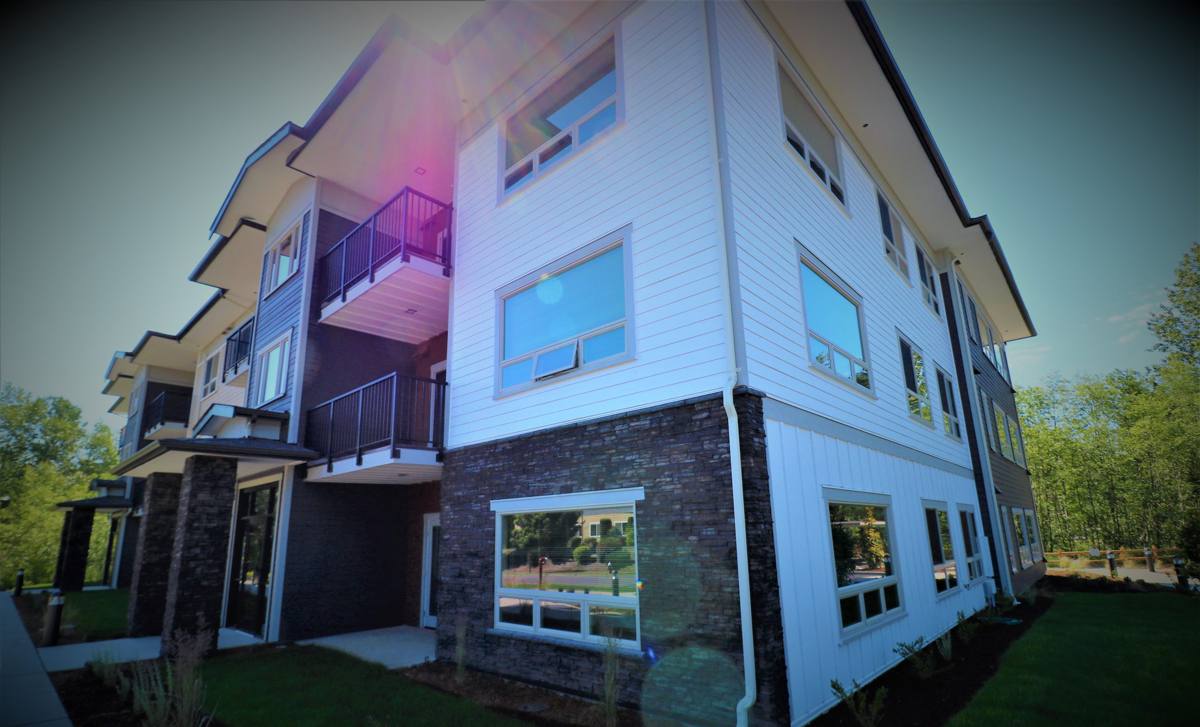
What Whatcom County Weather Does to a Wall
Driving Rain and Moisture Load
Rain that falls straight down is manageable for almost any siding. Rain that's pushed sideways by wind — which is common through this part of Whatcom County in the fall and winter — finds every lap seam, every trim joint, and every fastener hole. Over years, that moisture load is what causes rot in wood-based products, warping in engineered wood siding, and swelling at the seams of lower-grade materials. Fiber cement doesn't absorb and swell the way wood-based products do, which is a big part of why it holds up here.
The Long Moss Season
Shaded siding, north-facing walls, and anything under overhanging trees in this area can stay damp long enough to grow moss and algae for a good stretch of the year. That green film isn't just cosmetic — it holds moisture against the siding surface, which accelerates whatever underlying material problem already exists. A siding product that resists moisture absorption in the first place gives moss less to hold onto and gives you less to scrub.
Salt Air and Coastal Influence
Whatcom County's proximity to the water means a lot of homes here deal with some degree of salt-laden air, especially when storms roll in off the Sound. Salt exposure accelerates corrosion on fasteners and metal trim, and it degrades paint films faster than inland climates typically see. Siding and finish systems that aren't built for that combination — moisture plus salt — tend to show their age early.
Why Fiber Cement Is the Right Material Here
Fiber cement is a mix of cement, sand, and cellulose fiber, engineered specifically to resist the things that break down other siding materials: moisture absorption, expansion and contraction, insect damage, and fire. It doesn't rot. It doesn't provide a food source for the moss and mildew that thrive in a wet climate. It holds paint and factory finish far longer than wood-based alternatives because it doesn't move with humidity the way wood does.
That last point matters more than most homeowners realize. A lot of siding failure isn't the material rotting outright — it's the constant expansion and contraction from wet-dry cycles that eventually cracks caulk lines, loosens fasteners, and opens gaps for water to get behind the siding. Fiber cement is dimensionally stable, which means it stays put, season after season, in exactly the kind of freeze-thaw and wet-dry cycling Nooksack sees.
Why We Only Install James Hardie
There's more than one fiber cement brand on the market, and we get asked why we standardized on James Hardie instead of carrying multiple options. The short answer: consistency and accountability. Hardie manufactures its HZ5 product line specifically engineered for climates with significant moisture exposure — which describes this region well. The factory-applied ColorPlus finish is baked on under controlled conditions, which gives it better fade and wear resistance than field-applied paint, and it comes with a longer finish warranty than most site-painted siding can offer.
We also know the product inside and out — the fastening patterns, the clearances, the trim details — because it's the only fiber cement system we install. That's not a marketing line, it's a practical one: a crew that installs five different brands is, by definition, less deeply practiced in any single one of them.
Product Lines We Use Most in Nooksack
- HardiePlank lap siding — the standard horizontal siding look, available in several exposure widths and textures, and the most common choice for full re-sides in this area.
- HardieShingle — for homes that want a shingle-style accent or full shingle exterior without the moisture vulnerability of real wood shingles.
- HardiePanel — vertical panel siding, often used for modern facades, gable accents, or as a contrast material with lap siding.
- HardieTrim — matched trim boards so the whole exterior envelope, not just the field siding, is fiber cement.
What a Correct Fiber Cement Installation Actually Involves
Fiber cement is only as good as its installation. This is a product that's genuinely sensitive to how it's fastened, flashed, and gapped — get those details wrong and you can undercut a lot of the material's climate advantage. In a wet climate like Whatcom County, the installation details matter even more than they would somewhere dry.
Moisture Management Behind the Siding
Correct installation starts with a drainable water-resistive barrier and, ideally, a rainscreen gap that lets any moisture that does get behind the siding drain and dry out instead of sitting against the sheathing. This is especially important on walls that face prevailing wind-driven rain, which in this area often means west and south exposures.
Flashing at Every Penetration
Windows, doors, hose bibs, light fixtures, and vents are all places where water can find a way behind the siding if flashing isn't installed correctly. Every one of those penetrations needs proper head flashing and integration with the water-resistive barrier — not just caulk, which degrades and is not a substitute for actual flashing.
Fastening and Clearances
Hardie specifies exact fastener spacing, nail penetration depth, and minimum clearances from grade, roof lines, and decks. Those clearances exist for a reason: siding installed too close to grade or to a roofline stays wet longer and is more exposed to splash-back moisture. Cutting corners on clearance is one of the most common ways an otherwise good product ends up with a moisture problem within a few years.
Caulking and Joint Treatment
Butt joints, corners, and trim intersections need to be treated correctly — sealed where Hardie specifies sealing, and left to shed water where a drainage gap is the better detail. Over-caulking is almost as common a mistake as under-caulking, and it traps moisture instead of letting it escape.
Fiber Cement vs. Other Common Siding Options
| Factor | James Hardie Fiber Cement | Vinyl Siding | Wood-Based / Engineered Wood |
|---|---|---|---|
| Moisture absorption | Very low | Not absorbent, but seams and gaps can trap water behind it | Absorbs moisture; prone to swelling |
| Moss/algae resistance | Resists better; less organic material for growth to hold onto | Moderate; smooth surface but seams collect grime | Lower; provides organic food source |
| Fire rating | Non-combustible | Combustible, can melt or warp near heat | Combustible |
| Dimensional stability | High; minimal expansion/contraction | Expands/contracts with temperature | Moves significantly with humidity |
| Finish longevity | Factory ColorPlus finish, long warranty | Color molded in, can fade or chalk | Field-applied paint, needs repainting |
| Typical lifespan when correctly installed | Multiple decades | Varies; can degrade faster in harsh sun/cold cycling | Shorter without diligent maintenance |
This isn't meant as an attack on other products — vinyl and engineered wood both have legitimate uses and price points. It's simply why, for a climate like this one, we settled on one material and one manufacturer we trust to perform consistently.
Our Process for a Nooksack Fiber Cement Project
- On-site evaluation. We look at your current siding, the condition of the sheathing and water-resistive barrier underneath where accessible, and any problem areas — north walls, low-clearance sections, areas near downspouts or grade.
- Moisture and substrate check. Before any new siding goes on, we confirm what's underneath is sound. Installing new siding over a compromised wall assembly just hides a problem instead of solving it.
- Product and detail plan. We spec out which HardiePlank exposure, trim profile, and color best fit the home, and plan out flashing and drainage details specific to that wall's exposure.
- Removal and prep. Old siding comes off, the water-resistive barrier is installed or repaired, and flashing goes in at every window, door, and penetration before a single piece of new siding is hung.
- Installation to Hardie spec. Fastening, clearances, and joint treatment follow manufacturer specifications — not shortcuts, because those specifications are what the product warranty is actually based on.
- Final walkthrough. We go over the finished job with you directly, including care and maintenance basics specific to this climate.
Signs Your Nooksack Home's Siding Needs Attention
- Persistent moss or algae streaking, especially on north-facing or shaded walls
- Soft spots, bubbling, or visible swelling anywhere on the siding
- Paint that's peeling, chalking, or failing faster than it used to
- Gaps opening up at seams, corners, or trim joints
- Visible warping or cupping of individual boards or panels
- Rust streaking from fasteners, a sign the fastener coating has failed
- Rooms that feel drafty or damp along exterior walls
Why Hiring Local Experience Matters
Fiber cement installation isn't a one-size-fits-all process — the right flashing detail, drainage plan, and fastening approach change depending on the exposure and microclimate of a given wall. A crew that already works regularly around Nooksack and greater Whatcom County has seen how this specific climate treats different exposures, elevations, and older housing stock, and adjusts the installation plan accordingly instead of applying a generic playbook. That local pattern-recognition — knowing which walls need extra drainage attention, which older homes have sheathing issues waiting to be found, how bad a given season's moss growth typically gets — is the kind of thing you only pick up by doing this work in this specific region, repeatedly.
It also means straightforward accountability. A contractor working a defined service area, standing behind one product installed to one consistent standard, is easier to hold to their word than an outfit that's here today and gone tomorrow.
Caring for Fiber Cement Siding Once It's Installed
Fiber cement is genuinely low-maintenance compared to wood-based siding, but "low-maintenance" isn't "no-maintenance." A yearly rinse-down helps keep moss and grime from building up, especially on shaded walls. Keep gutters clear and downspouts directed away from the foundation so splash-back doesn't sit against the lower courses of siding. Trim back vegetation that's shading walls or holding moisture against the house. Beyond that, correctly installed Hardie siding with its factory finish is built to go a long time without needing paint, patching, or board replacement — which is the whole point of choosing a material engineered for a climate like this one instead of fighting the weather every season.
If your Nooksack home's siding is showing its age, or you're planning a project and want it done to spec the first time, we're happy to take a look and walk you through what we'd recommend. Reach out for a free, no-pressure estimate using the form below.