 Glenhaven Siding
 Why Ferndale Roofs Wear Differently
Ferndale sits close enough to the water that salt-laden air is a constant factor, not an occasional one. Combine that with the steady, driving rain that moves through Whatcom County for much of the year and a moss season that can stretch from fall through spring, and you get a roof environment that punishes shortcuts. Fasteners corrode faster near the coast. Underlayment that would hold up fine in a drier climate gets tested every week here. And any roof with poor airflow or shaded, north-facing slopes becomes a moss farm within a couple of seasons. None of this means Ferndale homes need exotic materials — it means the installation details have to be right, every time, because the margin for error is smaller.
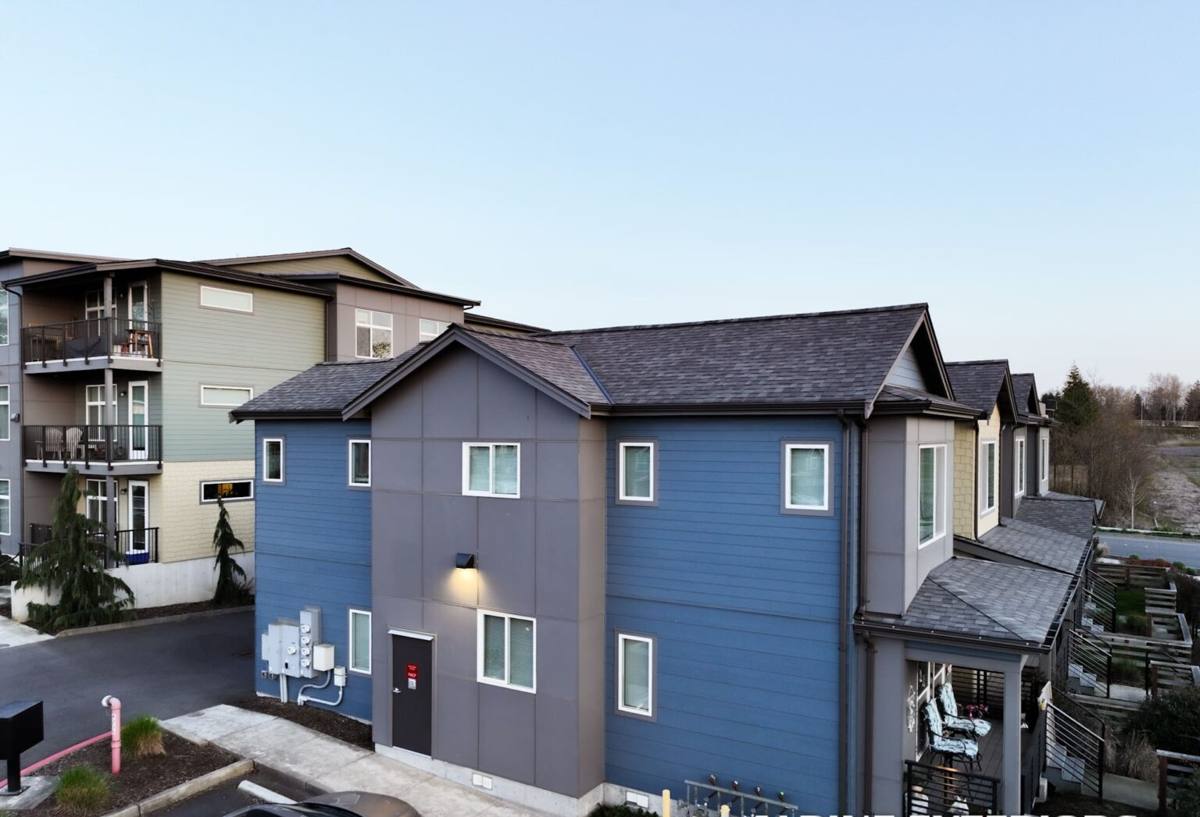
Signs a Ferndale Roof Needs Replacement, Not Another Repair
Roof repairs make sense when the damage is isolated and the roof underneath is still sound. Replacement becomes the honest recommendation once the underlying structure or waterproofing layer is compromised across a large portion of the roof. Common signs we see on Ferndale homes include:
- Granule loss heavy enough that shingles look patchy or bald in sun-exposed areas
- Persistent moss growth that returns within months of cleaning, especially on shaded slopes
- Soft or spongy decking felt underfoot in the attic or during a walk-on inspection
- Curling, cracking, or lifted shingle edges, particularly on the side that takes the worst weather
- Staining on interior ceilings or attic sheathing that points to a slow, chronic leak rather than a one-time event
- A roof approaching or past the manufacturer's expected service life for this climate, regardless of how it looks from the ground
If only one or two of these apply and they're contained to a small area, a repair is usually the right call — we'll say so. Replacement gets recommended when the problems are spread out or the roof's remaining service life doesn't justify more patchwork.
What a Correct Roof Replacement Actually Involves
Tear-Off and Deck Inspection
A proper replacement starts with a full tear-off down to the deck, not a layover. That's the only way to actually see what's underneath — soft spots, old water staining, or rot that a layover would simply bury. Any damaged decking gets replaced before anything new goes down. Skipping this step is the single most common shortcut that leads to early failure, and it's invisible once the new roof is on, which is exactly the problem.
Underlayment and Water Protection
Given how much rain Whatcom County sees, the underlayment layer matters as much as the shingles themselves. We use synthetic underlayment across the field and self-adhering ice-and-water membrane at the vulnerable points — eaves, valleys, and roof-to-wall transitions — where wind-driven rain is most likely to work its way backward under the surface layer.
Flashing Details
Flashing around chimneys, skylights, vent pipes, and sidewalls is where most leaks actually start, not in the open field of shingles. Every flashing detail gets replaced during a full roof replacement, not reused, and it gets integrated with the underlayment so water sheds outward at every layer instead of relying on caulk to hold the line.
Ventilation
Balanced intake and exhaust ventilation keeps the attic close to outdoor temperature and lets moisture escape instead of condensing on the underside of the deck. This directly affects how fast moss and moisture problems come back after a new roof goes on, which is why it's part of the replacement, not an afterthought.
Choosing a Roofing Material for This Climate
There's no single "best" roofing material for every home — it depends on the roof's slope, sun exposure, budget, and how much upkeep the homeowner wants to take on. Here's how the common options actually perform under Ferndale's salt air, rain, and moss conditions:
| Material | Moss Resistance | Salt Air Durability | Typical Lifespan | Maintenance Needs |
|---|---|---|---|---|
| Architectural asphalt shingle | Moderate — depends on granule quality and slope | Good with corrosion-resistant fasteners | 25–30 years | Periodic moss treatment on shaded slopes |
| Standing seam metal | Very good — sheds moss with minimal buildup | Excellent with proper coating and fastener spec | 40–50+ years | Low; occasional fastener check |
| Cedar shake | Poor without diligent upkeep | Fair — salt accelerates weathering | 20–25 years with maintenance | High; regular treatment required |
| Synthetic composite shingle | Good | Good | 30–50 years depending on product | Low to moderate |
For most Ferndale homes, an architectural asphalt shingle with a strong algae-resistance rating hits the right balance of upfront cost, appearance, and durability. Metal roofing is worth serious consideration on steeper slopes or homes closest to the water, where the long-term maintenance savings can offset the higher installed cost. We'll walk through the honest trade-offs for your specific roof rather than pushing one product across every job.
The Moss Problem Deserves Its Own Conversation
Moss doesn't just look bad — left alone, it holds moisture against the roof surface, lifts shingle edges, and shortens the life of the roof underneath it. The long moss season here means shaded or north-facing slopes need attention that sun-exposed slopes don't. Zinc or copper strips installed along the ridge during replacement release trace metal ions with every rain, which suppresses new moss growth for years without chemical treatment. It's a small addition at install time that saves a lot of maintenance later, and it's worth discussing for any slope that stays shaded most of the day.
Our Process, Start to Finish
- On-site inspection — we get on the roof, not just in the driveway, and check the deck, flashing, ventilation, and attic before quoting anything.
- Written estimate — a clear scope of work and price, with material options laid out honestly, no pressure to decide on the spot.
- Scheduling — we give you a realistic timeline that accounts for Whatcom County's weather windows rather than promising a date we can't hold.
- Tear-off and deck repair — full removal of the old roof, with any compromised decking replaced before new materials go down.
- Installation — underlayment, flashing, ventilation, and final roofing material installed to manufacturer and code specifications.
- Cleanup and walkthrough — magnetic sweep for debris, a final walkthrough with you, and paperwork for warranty registration.
Why It Matters That We Already Work in Ferndale
A crew that regularly works Ferndale roofs already knows which slopes fight moss the hardest, which flashing details tend to fail first in this weather, and what local permitting expects. That familiarity shows up in faster, more accurate estimates and fewer surprises mid-project. It also means we're not learning the local climate on your roof — we already know that a shortcut which might get away with it inland won't hold up a few miles closer to the water.
What Drives the Cost of a Roof Replacement
Every roof is priced individually, but the same handful of factors move the number up or down on most Ferndale jobs:
| Factor | Why It Matters |
|---|---|
| Roof size and number of slopes | More square footage and complex slopes mean more material and labor |
| Deck condition | Rotted or soft decking found at tear-off adds repair cost not visible in the initial estimate |
| Material choice | Asphalt, metal, and composite products carry different material and labor costs |
| Roof pitch and access | Steep or hard-to-access roofs take longer and require more safety setup |
| Ventilation and flashing upgrades | Bringing older ventilation or flashing up to current standards adds scope but reduces future problems |
| Tear-off layers | Removing multiple existing layers takes more labor than a single-layer tear-off |
We break all of this out in the written estimate so you know exactly what you're paying for and why, rather than getting a single lump number with no explanation.
Keeping a New Roof Performing After Installation
A correct installation does most of the work, but a little attention keeps it performing for its full service life in this climate:
- Clear debris from valleys and gutters at least twice a year, more often under overhanging trees
- Check for moss regrowth on shaded slopes each fall and address it early rather than letting it establish
- Keep attic vents unobstructed by insulation or storage so airflow stays balanced
- Have flashing points checked after any major windstorm
- Schedule a professional inspection every few years, even if nothing looks wrong from the ground
If your roof is showing its age or you just want an honest read on whether repair or replacement makes sense, we're glad to take a look. The estimate is free, there's no pressure, and you'll get a straight answer either way — just fill out the form below to get started.