 Glenhaven Siding
 Why Window Installation in Sehome Is Different From a Catalog Job
Sehome sits close enough to the water and the weather patterns coming off Bellingham Bay that windows here take a beating most inland homes never see. Salt-laden air corrodes hardware and finishes faster than dry-climate manufacturers account for. Driving rain, pushed sideways by wind off the Sound, tests every seal and flashing detail on a wall. And the long, damp moss season that runs from fall through spring keeps wood trim, sills, and siding wet for weeks at a time, which means any gap in the water management around a window becomes a rot problem instead of a minor nuisance.
A window is only as good as the opening it's installed into. You can buy a premium window and still end up with leaks, fogged glass, or soft framing within a few years if the installation doesn't account for how water actually moves down a wall in this part of Whatcom County. That's the whole reason this page exists — installation technique matters as much as the product, and in Sehome it matters more than average.
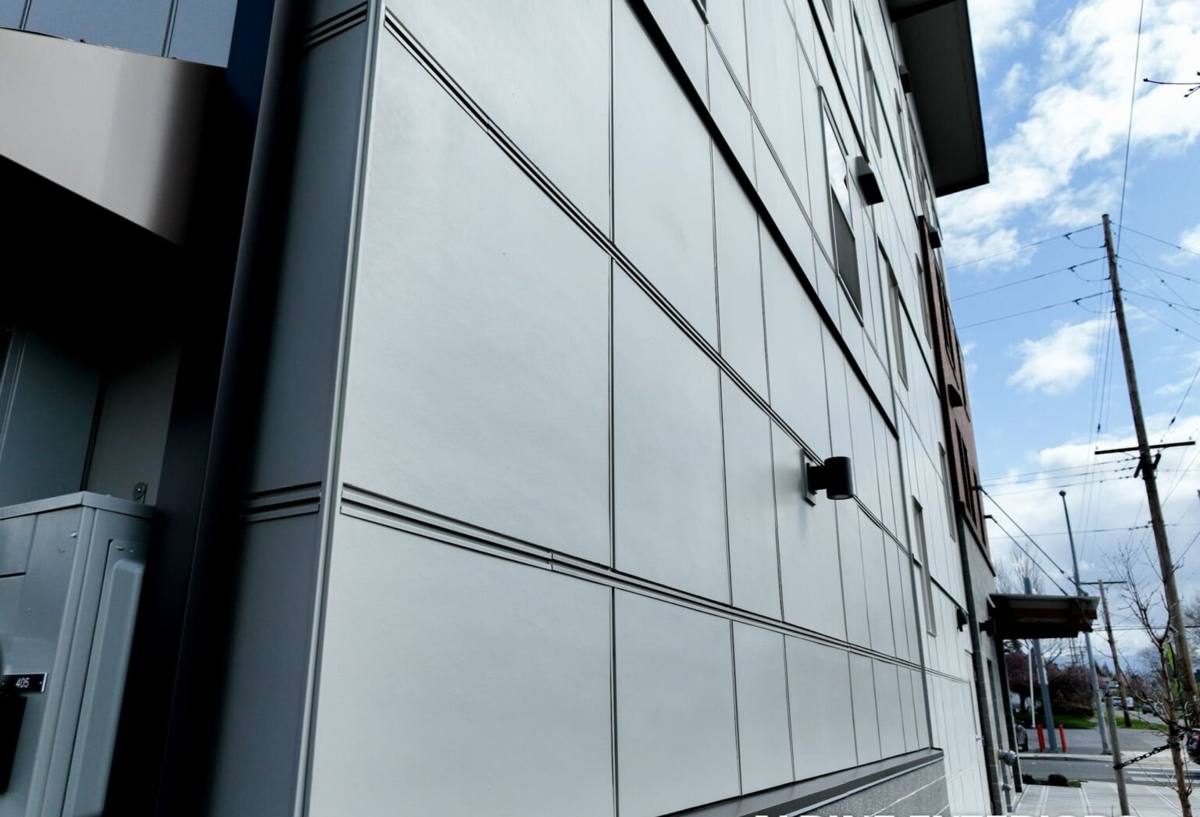
What a Correct Window Installation Actually Involves
Swapping a window sounds simple: remove the old one, set the new one, caulk the edges. Done that way, it fails. A proper install is a sequence of overlapping water-management steps, most of which are invisible once the trim goes back on.
Flashing and Water Management
Every opening needs a sill pan to catch and direct any water that gets past the exterior seal, plus flashing tape integrated with the house wrap in the correct shingle-lap order — bottom, sides, then top — so water always sheds outward and down, never into the wall cavity. On a home exposed to driving rain off the bay, skipping or rushing this step is the single most common cause of hidden rot we find behind old trim.
Insulation and Air Sealing
The gap between the window frame and the rough opening needs to be filled with a low-expansion foam or backer rod and sealant — not stuffed with fiberglass, which does nothing to stop air infiltration and can actually wick moisture into the wall. Proper sealing here is also what keeps your energy bills from creeping up every winter.
Trim and Finish Work
Exterior trim needs back-caulking, not just face-caulking, and any wood trim exposed to weather should be back-primed on all sides before it goes up. In a climate with a long moss season, unfinished or poorly sealed wood trim is where rot starts first.
Choosing the Right Window for a Whatcom County Exterior
There's no single "best" window — the right choice depends on exposure, budget, and how much upkeep you want to take on. Here's how the common frame materials compare for a Sehome home dealing with salt air and sustained rain.
| Frame Material | Salt Air / Moisture Resistance | Maintenance | Typical Lifespan | Relative Cost |
|---|---|---|---|---|
| Vinyl | Good — won't corrode or rot, but hardware quality varies by manufacturer | Low — occasional cleaning | 20–30 years | $ |
| Fiberglass | Excellent — dimensionally stable, resists warping and salt exposure well | Low | 30–40+ years | $$$ |
| Wood-clad | Depends entirely on cladding integrity — once compromised, wood core is vulnerable | Higher — cladding joints and sills need periodic inspection | 20–30 years with upkeep | $$$ |
| Aluminum | Poor thermal performance, prone to condensation in our damp climate | Moderate | 20–25 years | $$ |
For most Sehome homes we recommend vinyl or fiberglass for the exposure this area sees. Wood-clad windows can look great and perform well, but only if the cladding is fully intact — we treat any nick or gap in the cladding as a maintenance priority, not a cosmetic issue, because that's exactly where moisture gets into the wood core.
Glass Packages
Dual-pane glass with a Low-E coating and argon fill is the practical standard here — it cuts heat loss in winter, reduces condensation on the interior glass during our cold, damp mornings, and doesn't add meaningfully to the installation complexity. Triple-pane is available and does perform better thermally, but for most single-family homes in this area the added cost doesn't pencil out against dual-pane Low-E/argon unless you're dealing with major road noise or a particularly exposed elevation.
Signs Your Sehome Home's Windows Need Attention
Not every window issue means a full replacement, but these are the signs worth taking seriously before they turn into structural repairs:
- Fogging or moisture between panes — the seal has failed and the insulating gas is gone
- Soft, spongy, or discolored wood trim around the frame, especially on the sill
- Visible gaps where old caulking has cracked or pulled away from the siding
- Windows that are noticeably harder to open, close, or lock than they used to be
- Drafts you can feel with a hand near the frame on a windy day
- Moss or dark staining building up on the exterior sill or trim faster than the rest of the wall
- Condensation forming on the interior glass regularly through fall and winter
If you're seeing more than one of these on the same window, it's worth having someone look at the opening itself, not just the glass — the window may be fine and the flashing behind it may be the actual problem.
How Our Installation Process Works
- On-site assessment. We look at each opening, the surrounding siding and trim condition, and the exposure of that wall to prevailing wind and rain before quoting anything.
- Removal and inspection. Once the old window is out, we check the rough opening and sheathing for hidden rot or moisture damage — this is often where we find problems the homeowner never knew about.
- Repair before install. Any soft framing or compromised sheathing gets repaired first. Installing a new window into a bad opening just hides the problem.
- Sill pan and flashing. We install a sill pan and integrate flashing tape with the existing house wrap in the correct water-shedding order.
- Set and shim the window. The window is leveled, plumbed, and shimmed so it operates correctly and doesn't stress the frame.
- Seal and insulate. Low-expansion foam or backer rod and sealant fill the gap; exterior joints get back-caulked.
- Trim and finish. Trim is reinstalled or replaced, back-primed where it's wood, and caulked at all joints exposed to weather.
- Walkthrough. We check operation, look at the finish work with you, and clean up the site.
What Drives the Cost
| Factor | Why It Matters |
|---|---|
| Number of windows | Per-window cost generally drops as the job scales up |
| Frame material and glass package | Fiberglass and upgraded glass packages cost more upfront but reduce long-term maintenance |
| Condition of the existing opening | Hidden rot or sheathing repair adds labor and material that can't be quoted sight unseen |
| Removal and disposal | Old window and trim disposal is usually included but varies by volume |
| Access | Second-story or hard-to-reach windows take more time and sometimes equipment |
| Trim scope | Full trim replacement costs more than reusing sound existing trim |
Whole-home replacements and single-window repairs both run a wide range depending on these factors — we'll always give you a firm number after seeing the actual openings, not a phone estimate.
Why Hiring a Crew That Already Works Sehome Matters
A window installer who mostly works drier inland areas isn't necessarily doing anything wrong — they're just used to a different set of failure points. A crew that regularly works Sehome and the rest of Whatcom County knows which walls take the worst of the driving rain, how fast moss builds up on north-facing trim, and where salt air tends to eat through hardware first. That experience shows up in small decisions during the install — how much sealant to use where, which trim details need extra attention, which openings are likely to have hidden moisture damage before we even open them up.
It also means we're a known quantity locally if a warranty issue ever comes up. We're not driving in from out of the area for a one-off job; we're back in this neighborhood regularly.
Questions Worth Asking Any Window Contractor
- Do you install a sill pan and flashing tape on every job, or only when asked?
- What happens if you find rot in the rough opening — is that a change order or is it included?
- What's the warranty on labor, separate from the manufacturer's warranty on the window itself?
- Will the same crew that quotes the job also install it?
- How do you handle disposal of the old windows and trim?
Caring for New Windows Through Whatcom County's Wet Season
A correctly installed window still benefits from basic upkeep. Rinse accumulated salt residue off frames and hardware periodically if your home is closer to the water. Keep weep holes on vinyl and fiberglass frames clear of debris and moss so water can drain as designed. Check exterior caulking once a year, ideally before the fall rains set in, and touch up anywhere it's cracked or pulled away. None of this is heavy maintenance — it's the kind of five-minute check that keeps a good installation performing for its full lifespan instead of quietly failing behind the trim.
Get a Straight-Talk Estimate
If you're dealing with drafty, foggy, or hard-to-operate windows in Sehome, or you just want an honest read on whether it's time to replace them, we're happy to take a look. There's no pressure and no sales script — just a clear assessment of your openings and a firm price. Use the form below to request a free estimate.