 Glenhaven Siding
 Siding Repair in Puget: Built for This Corner of Whatcom County
Puget homes sit in one of the more demanding microclimates we work in around Glenhaven. Salt-laden air off the water, wind-driven rain that gets pushed sideways into wall assemblies, and a moss season that can stretch for months all put a different kind of stress on exterior siding than you'd see further inland. A repair that looks fine on a dry, calm day can fail within a year if it wasn't built to handle what this specific location throws at it.
This page covers what siding repair actually looks like when it's done right for a Puget property — what tends to go wrong here, what a correct repair involves, and how we approach the work when we're called out to a home in this area.
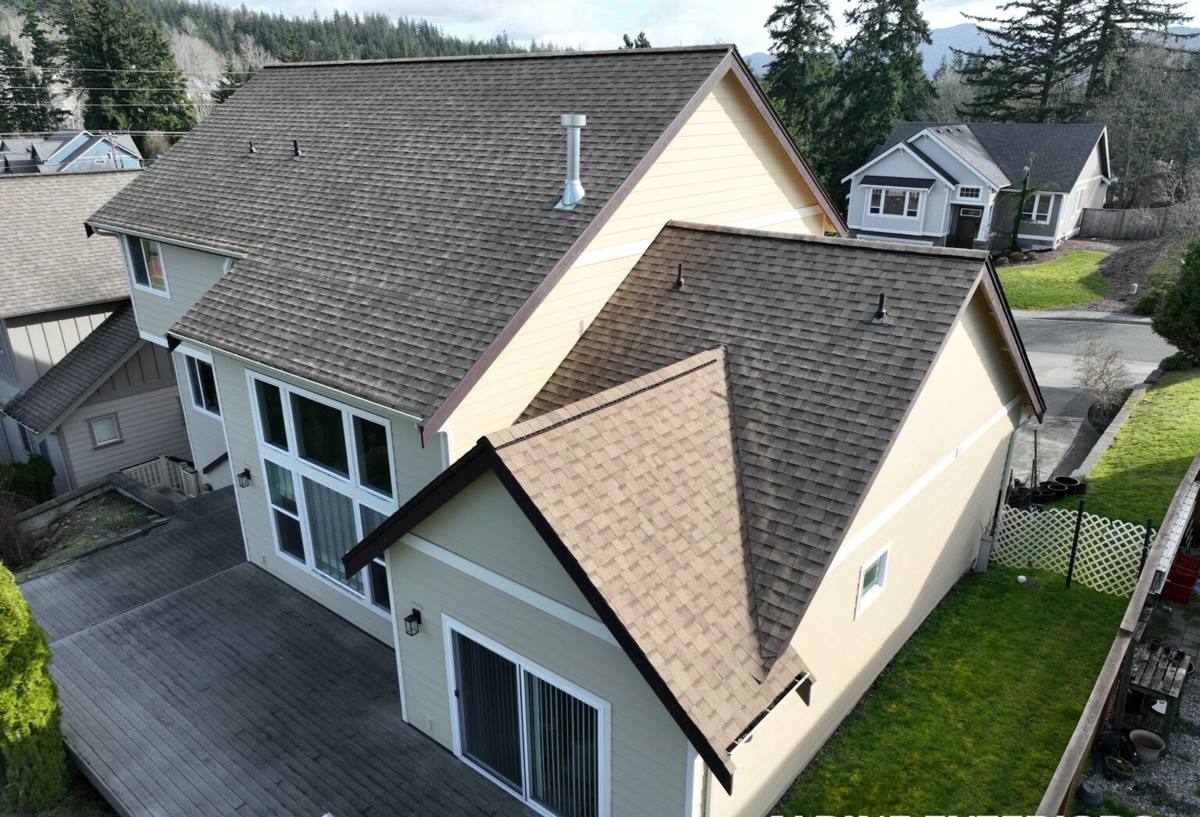
Why Puget Siding Wears Differently
Three regional factors show up again and again when we inspect siding in and around Puget:
Salt Air
Airborne salt accelerates corrosion on exposed fasteners, flashing, and metal trim. It also breaks down certain paint and coating systems faster than they'd wear in a drier, inland location. Repairs that don't account for this — using standard fasteners instead of corrosion-resistant ones, for example — tend to show rust streaks and loosening within a few seasons.
Driving Rain
Wind-driven rain doesn't just run down a wall — it gets forced up and under laps, into seams, and behind trim that isn't properly flashed or caulked. Whatcom County storms coming off the water regularly push moisture in directions siding wasn't designed to shed if the original installation cut corners on flashing or joint treatment.
Extended Moss Season
Cool, damp conditions for much of the year mean moss and algae get a long runway to establish themselves, especially on north-facing walls and areas shaded by trees or neighboring structures. Moss holds moisture directly against the siding surface for extended periods, which is a slow but steady contributor to rot in wood-based products and finish breakdown in others.
Common Repair Issues We Find in Puget
What we're repairing depends heavily on what's already on the house. Puget has a mix of older and newer construction, and the siding material makes a real difference in what kind of damage shows up.
| Material | Typical Puget-Area Damage | Repair Complexity |
|---|---|---|
| Vinyl | Cracking from wind stress, warping near dryer vents, faded or chalky finish from UV and salt exposure | Moderate — matching discontinued colors is often the hardest part |
| Cedar / wood | Rot at butt joints and bottom courses, moss growth, split boards, failed paint or stain | High — rot often extends further than it appears from outside |
| LP SmartSide / OSB-based | Edge swelling, delamination, moisture wicking at seams and cut ends | High — damaged sections usually need full board replacement, not patching |
| Fiber cement (James Hardie) | Impact chips, caulk failure at joints, occasional flashing issues from original install | Low to moderate — the board itself resists moisture damage |
The pattern we see most in Puget is damage that starts small — a cracked board, a gap in caulking, a spot where flashing was skipped — and gets worse quickly because of how much moisture this area sees. A repair that would sit fine for years in a drier climate can turn into a bigger problem here within a single wet season if it's not addressed correctly.
What a Correct Siding Repair Actually Involves
A lot of siding "repairs" are really just cosmetic patches — caulk over a crack, a mismatched board nailed over a gap, paint over moss. That approach almost never holds up in a climate like this one. A repair that's actually going to last needs to address what's underneath the visible damage.
- Moisture check first. Before we touch a damaged section, we check for water intrusion behind it. Surface damage is often a symptom of a moisture problem, not the whole story.
- Flashing and water-shedding details. Any repair around windows, doors, corners, or butt joints has to restore proper flashing and lap sequencing — not just fill the gap.
- Matching materials correctly. Mismatched panel profiles, thicknesses, or exposure widths create new water paths even when the patch itself looks acceptable.
- Corrosion-resistant fasteners. Given the salt air here, we use fasteners rated for coastal-adjacent exposure rather than standard hardware that will rust and stain.
- Sealing that's built for driving rain. Sealant choice and placement matter more in wind-driven rain conditions than in calmer inland settings.
- Addressing the moss source, not just the symptom. If a section stays damp because of shading, poor drainage, or nearby vegetation, we flag that as part of the repair — otherwise the same damage comes back.
Repair vs. Replace: How We Decide
Not every damaged section needs a full re-side, and not every "repair" is worth doing. We look at a few factors before recommending one over the other.
| Factor | Favors Repair | Favors Replacement |
|---|---|---|
| Extent of damage | Isolated to a few boards or a single wall section | Recurs across multiple elevations or has been patched before |
| Underlying moisture | No sign of trapped moisture or rot behind the siding | Water intrusion has reached sheathing or framing |
| Material condition | Remaining siding is sound and fasteners are holding | Material is at or past its practical service life |
| Material type | Fiber cement with isolated impact damage | OSB-based or wood siding with widespread swelling or rot |
| Color/profile match | Discontinued product with no close match available | Patchwork appearance would be difficult to avoid |
We'll tell you honestly which side of that table your home falls on. If a repair will genuinely hold up given what Puget's climate does to siding, that's what we'll recommend — we don't push replacement on a house that doesn't need it.
Our Repair Process
- On-site inspection. We look at the damaged area and check adjacent sections, flashing, and trim for related issues that aren't visible from the ground.
- Moisture and structural check. Where damage suggests possible water intrusion, we check what's happening behind the siding before quoting the repair.
- Honest scope and estimate. You get a clear explanation of what needs to happen, what it will cost, and why — including whether repair or replacement makes more sense for that section.
- Correct repair execution. Matching materials, proper flashing, coastal-rated fasteners, and sealant appropriate for driving rain exposure.
- Final check for water-shedding. We confirm laps, joints, and flashing direct water the way they're supposed to before we call the job done.
Why James Hardie Makes Long-Term Repair Easier
We install James Hardie fiber cement exclusively, and one reason is straightforward: it holds up better to exactly the conditions Puget deals with. Fiber cement doesn't absorb and swell the way OSB-based products do, doesn't rot the way untreated wood does, and its ColorPlus factory finish resists the fading and chalking that salt air and UV exposure cause on field-painted or vinyl surfaces.
That doesn't mean Hardie siding never needs repair — impact damage happens, and caulk joints need periodic attention on any siding system. But when we do repair Hardie siding, we're usually dealing with a damaged panel and some caulking, not moisture that's worked its way into the substrate. That's a meaningfully smaller job, and it's part of why Hardie's transferable warranty holds up the way it does over time.
If your current siding is a material we don't install — vinyl, LP SmartSide, Cemplank, Allura, primed spruce, or cedar — we'll still give you a straight answer on whether repair makes sense. When a section is beyond a reasonable repair, we'll explain why we'd recommend replacing with Hardie rather than matching the existing material, and what that trade-off actually looks like for your home.
Why Hire a Crew That Already Works Puget
Siding repair in a climate like this isn't just a matter of technique — it's a matter of knowing what actually causes failures in this specific area. A crew that mostly works drier, inland jobs may not automatically account for salt-air corrosion on fasteners, or size up how much driving rain a given wall elevation actually takes on. Local experience means we're not guessing at what Puget's weather does to a repair over the following few winters — we've seen it.
It also means a faster, more accurate first visit. We know what to check first, where moss-related moisture tends to hide, and which repair shortcuts don't hold up here even if they'd be fine somewhere else in Whatcom County.
Signs Your Siding Needs a Repair Assessment
- Visible cracks, chips, or holes in siding boards or panels
- Soft or spongy spots when pressed gently, especially near the bottom of walls
- Persistent moss or algae growth that keeps coming back after cleaning
- Gaps, cracking, or missing caulk at joints, corners, and trim
- Streaking or bubbling paint, or a chalky surface film
- Rust stains running from fasteners or metal trim
- Warping, buckling, or panels that no longer sit flush
- Musty odors or discoloration on interior walls near exterior siding
If you're seeing any of these on a Puget property, it's worth having it looked at before the next wet season adds to the damage. We're happy to come take a look, give you an honest read on what's going on, and put together a free, no-pressure estimate for whatever repair or replacement makes sense for your home.