 Glenhaven Siding
 Roofing in Whatcom Falls Isn't the Same Job as Roofing Inland
Whatcom Falls sits in a part of Glenhaven and greater Whatcom County where the roof over your head does real work, year-round. Salt-tinged air off the water, wind-driven rain that finds its way sideways under poorly lapped shingles, and a moss season that can run most of the year on shaded, north-facing slopes — all of it adds up to faster wear than a roof would see in a drier climate. Asphalt shingle roofing is still the right call for most homes here: it's cost-effective, it's proven, and when it's installed correctly for this specific environment, it holds up well. The problems we see almost always trace back to a roof that was installed for a different climate, or installed in a hurry.
This page is about doing asphalt shingle roofing correctly for Whatcom Falls conditions specifically — not a generic rundown of what shingles are.
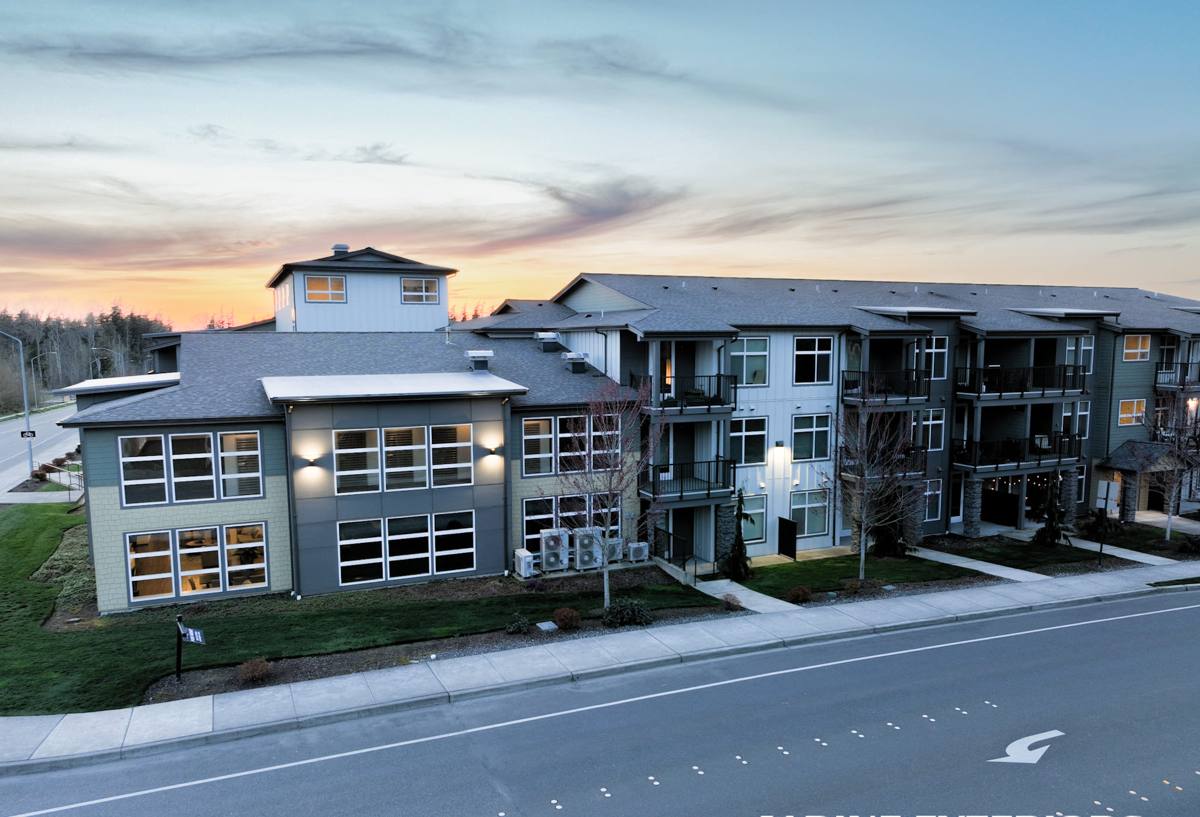
What Local Homes Actually Need From a Shingle Roof
Wind-Driven Rain
Rain here doesn't always fall straight down. When it's pushed sideways by wind off open water or through gaps in tree cover, it can work its way up under shingle tabs and lap lines that would be perfectly fine in a calmer climate. This is why sealant strips, nailing pattern, and shingle exposure (how much of each course is left uncovered) matter more here than the manufacturer's minimum spec would suggest.
Moss and Sustained Moisture
Shaded roof sections — especially north-facing slopes near tree lines, which are common around Whatcom Falls — stay damp longer after every rain. That moisture holds onto organic debris, and moss takes hold. Moss isn't just cosmetic: as it grows, it lifts shingle edges, holds water against the shingle mat, and accelerates granule loss. A roof that would last 20-plus years in a dry, sunny climate can lose meaningful life to unmanaged moss here.
Salt Air
Homes closer to open water deal with airborne salt that accelerates corrosion on exposed metal — flashing, fasteners, vents, and gutter hardware. Asphalt shingles themselves aren't much affected by salt directly, but the metal components tied into the roof system are, and a roof is only as good as its weakest flashing point.
What a Correct Asphalt Shingle Roof Includes Here
A shingle roof is a system, not just the visible shingle layer. Every layer underneath it has a job, and skipping or shortcutting any of them is where leaks start.
Underlayment and Water Barrier
Synthetic underlayment goes down over the whole deck as the first line of defense. In vulnerable areas — eaves, valleys, and around penetrations like vent pipes and chimneys — we add a self-adhering ice-and-water barrier membrane. In a climate with this much sustained rainfall, that extra layer at the weak points isn't optional, it's cheap insurance against the leaks that actually happen.
Ventilation
Attic ventilation controls moisture from the inside out. A poorly ventilated attic traps warm, humid air against the underside of the roof deck, which can lead to condensation, premature deck rot, and ice-related issues in cold snaps. Balanced intake (soffit vents) and exhaust (ridge or box vents) keep air moving so the deck stays dry from both directions.
Flashing and Valleys
Flashing around chimneys, skylights, sidewalls, and valleys is where most roof leaks actually originate — not the open field of shingles. Correct step flashing, counter-flashing, and valley metal (or a properly woven/cut valley, depending on the shingle type) matter more than the shingle brand chosen. Given the salt air factor, we pay close attention to flashing material and fastener quality so it doesn't corrode out well before the shingles are due for replacement.
Choosing the Right Shingle for This Climate
Not every asphalt shingle product is built the same way, and the right choice depends on your roof's exposure, slope, and how much shade it gets. Here's how the common options compare for a Whatcom Falls home:
| Shingle Type | Typical Lifespan Here | Best For | Cost Factor |
|---|---|---|---|
| 3-Tab Asphalt | Shorter end of the range in damp, shaded areas | Budget-conscious re-roofs, simpler rooflines | Lowest upfront cost |
| Architectural (Laminate) | Longer-lasting, especially with algae-resistant granules | Most homes; better wind resistance from dual-layer construction | Moderate — the most common choice locally |
| Impact-Rated (Class 4) | Comparable to architectural, with added durability against debris | Homes under heavier tree cover with falling branch risk | Higher upfront, sometimes offset by insurance discounts |
For most Whatcom Falls homes, we recommend architectural shingles with algae-resistant (AR) granules. The AR treatment uses copper or zinc granules blended into the shingle surface, which slows algae and moss growth compared to standard granules — it doesn't eliminate the need for maintenance, but it buys real time between cleanings in a climate where that matters.
Our Process for a Whatcom Falls Roof
1. Inspection and Honest Estimate
We start by getting on the roof, not just looking at it from the ground. We check the deck condition, existing ventilation, flashing points, and how much moss or granule loss is present. You get a straightforward estimate with the reasoning behind it — including whether a repair is genuinely enough, or whether the deck or underlayment issues mean replacement is the more honest recommendation.
2. Tear-Off and Deck Check
For a full replacement, we remove the old roofing down to the deck and inspect the sheathing for soft spots, rot, or damage that wouldn't be visible from above. Any compromised decking gets replaced before anything new goes down — installing new shingles over a bad deck just hides the problem.
3. Installation
Ice-and-water barrier at vulnerable points, full synthetic underlayment, correct nailing pattern and exposure, proper flashing and valley work, and balanced ventilation. This is where the climate-specific decisions from the sections above actually get built into your roof.
4. Cleanup and Walkthrough
We clear the site of debris and old material, do a magnetic sweep for stray fasteners, and walk the finished roof with you so you know what was done and what to expect going forward — including a realistic maintenance schedule for this climate.
Living With a Shingle Roof in a Damp, Mossy Climate
Even a well-installed roof needs some upkeep here. The goal isn't to eliminate moss and debris entirely — it's to keep them from accumulating to the point they start damaging the shingles.
- Clear gutters and downspouts at least twice a year so water isn't backing up under the shingle edge
- Remove overhanging branches that keep roof sections shaded and slow to dry
- Have moss gently removed (not scraped or pressure-washed, which can strip granules) before it thickens
- Check flashing around chimneys and vents periodically for signs of corrosion or lifted seams, especially closer to the water
- Address small leaks or lifted shingles promptly — a small repair now is cheaper than a deck replacement later
- Have the roof professionally inspected after any major windstorm
Repair or Replace?
Not every issue means a new roof. If the deck is sound, the roof is under roughly two-thirds of its expected lifespan, and the damage is localized — a few lifted shingles, a flashing leak, storm damage to one section — a targeted repair is usually the right call. Replacement makes more sense when granule loss is widespread, multiple layers of shingles are already present, the deck has moisture damage, or repairs are becoming a recurring cost on an aging roof. We'll tell you honestly which category your roof falls into rather than defaulting to the bigger job.
Why a Local Whatcom Falls Crew Matters
A crew that regularly works Whatcom Falls and the surrounding Glenhaven area knows which slopes hold moss longest, which exposures take the worst of the wind-driven rain, and how salt air affects fastener and flashing choices in practice — not just on paper. That local pattern recognition shows up in small decisions throughout the job: where to add extra ice-and-water barrier, which vents hold up best, how much ventilation a given attic actually needs. It also means we're a known, reachable crew if a question comes up after the job is done, not a name that only shows up for the sale.
If you're dealing with an aging shingle roof, moss buildup, or a leak you can't quite pin down, we're glad to take a look. Reach out for a free, no-pressure estimate using the form below — we'll walk your roof, give you a straight answer, and let you decide from there.