 Glenhaven Siding
 Barkley's Climate Is Harder on Siding Than Most Homeowners Realize
Barkley homes sit in a stretch of Whatcom County that takes a steady beating from three directions at once: salt-laden air moving in off the water, driving rain that hits siding sideways during winter storms, and a moss season that can run eight months out of the year in shaded, north-facing spots. Any one of those on its own is manageable. Together, they shorten the life of the wrong siding material fast, and they're the reason we treat every Barkley job as a climate problem first and a cosmetic upgrade second.
Salt air corrodes fasteners and trim metal over time, even at a few miles inland, and it accelerates the breakdown of coatings that aren't built to handle it. Driving rain doesn't just wet the surface of a wall — wind-driven moisture gets pushed up under laps, into seams, and behind trim if the water management underneath isn't done correctly. And moss doesn't just look bad; it holds moisture against the siding surface for months at a stretch, which is exactly the condition that rots wood, delaminates weak composites, and stains and streaks anything with a painted-on finish instead of a baked-in one.
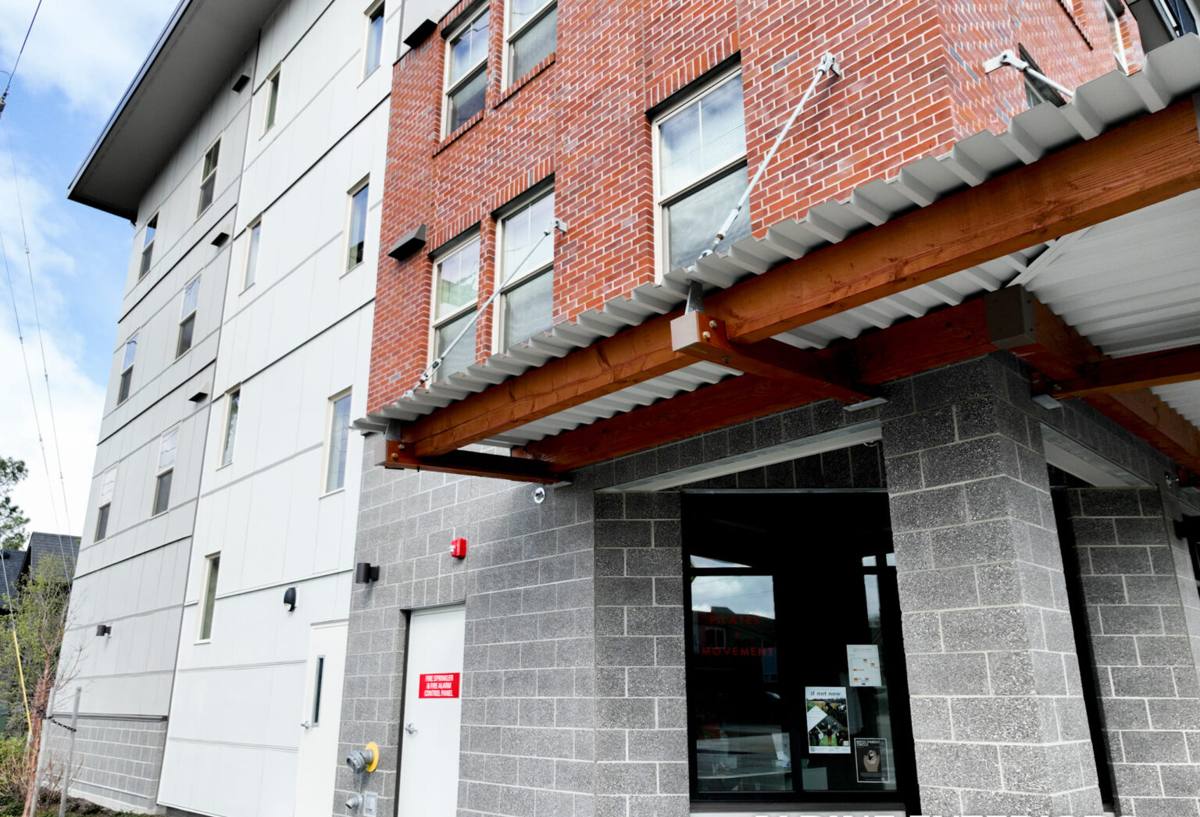
What Happens When Siding Isn't Built for This
Wood and Engineered Wood Products
Wood-based siding depends entirely on its surface coating to keep water out. In a climate with this much sustained dampness, any gap in that coating — a nail pop, a hairline check, a scuff from a ladder — becomes an entry point. Once moisture gets into the wood fiber, it doesn't dry out quickly here, and swelling, soft spots, and edge rot follow. Moss growth on top of that keeps the surface wet even longer between rain events.
Vinyl Siding
Vinyl holds up fine against rain on its own, but it wasn't designed with this specific combination of stresses in mind. Salt air and UV exposure over years can leave it brittle and faded, seams and J-channels give wind-driven rain a path behind the panels, and vinyl has no real ability to be repaired or refinished — a damaged section gets replaced, and matching faded old vinyl to new is rarely clean.
Why This Matters for a Buying Decision
None of this means these products are junk — they work fine in plenty of climates and budgets. It means Barkley's specific mix of salt, wind-driven rain, and moss punishes their particular weak points harder than it would in a drier, calmer region. That's the honest case for looking at fiber cement here, not a sales pitch.
Why We Install Only James Hardie Fiber Cement
Glenhaven Siding Company installs James Hardie products exclusively. We don't install LP SmartSide, vinyl, Cemplank, Allura, primed spruce, or cedar, and we tell homeowners why rather than just quietly limiting the menu. Fiber cement as a category resists moisture, insects, and fire far better than wood-based alternatives, and it holds paint and factory finish longer than most composites. Within that category, we've standardized on Hardie because of how the company backs its product and how consistently it performs when installed correctly:
- Hardie's ColorPlus finish is factory-baked, not field-applied, which matters in a climate where field-painted surfaces face constant damp and mildew pressure
- The HZ5 product line is engineered specifically for wetter, harsher climates like ours, rather than a one-size-fits-all formulation
- Fiber cement is non-combustible, which matters as wildfire smoke and dry-season risk have become a bigger concern even in western Washington
- Hardie backs its siding with a strong transferable limited warranty, and ColorPlus finishes carry their own separate finish warranty
- The product has a long track record in Pacific Northwest conditions specifically, not just in warmer, drier markets
We're not going to tell you every other product on the market is worthless — that's not true, and it's not our call to make about someone else's business. What we will say is that after years of installing and repairing siding in this exact climate, Hardie is the one we're willing to put our name behind on every job.
What a Correct Installation Actually Involves
Fiber cement siding fails early almost exclusively because of installation mistakes, not because the material itself is weak. In a climate like Barkley's, the margin for error is smaller than it would be somewhere drier. A correct job includes:
Water Management Before the First Board Goes Up
House wrap or building paper installed and lapped correctly, flashing at every window, door, and horizontal trim transition, and proper drainage space behind the siding so any moisture that does get past the surface has somewhere to go instead of sitting against the wall sheathing.
Fastening and Clearances Done to Spec
Hardie publishes specific fastener types, spacing, and minimum clearances from grade, roof lines, and decks — and those specs exist because of exactly the wind-driven rain conditions Barkley sees. Cutting corners here is the single most common cause of early failure we find when we tear off someone else's siding job.
Caulking and Paint Touch-Up at Cuts
Every field cut exposes raw material that needs to be sealed. Skipping this step is invisible on installation day and shows up as a moisture problem two or three winters later.
Our Process, Start to Finish
- Free on-site estimate — we walk the exterior, look at existing moisture damage, trim condition, and moss patterns, and measure for an accurate quote
- Product and color selection — we go over Hardie's plank profiles, panel options, and ColorPlus color choices based on your home's exposure and style
- Tear-off and inspection — old siding comes off and we check the sheathing underneath for hidden rot or moisture damage before anything new goes up
- Water management installation — house wrap, flashing, and drainage plane installed correctly the first time
- Hardie siding installation — installed to manufacturer spec for fastening, clearances, and joint treatment
- Final walkthrough — we go over the finished job with you before calling it done
What It Costs and What Drives the Price
Every home is different, but the factors that move the price on a Barkley fiber cement job are fairly consistent. We'll give you exact numbers during a free estimate, but here's what to expect going in:
| Cost Factor | Why It Matters in Barkley |
|---|---|
| Home size and wall complexity | More corners, dormers, and trim details mean more cutting, flashing, and labor time |
| Existing siding removal and repair | Homes with hidden moisture or rot damage need sheathing repair before new siding goes on |
| Plank vs. panel profile | Lap plank is the most common choice; panel systems suit certain architectural styles and change labor and material costs |
| Color and finish selection | Factory ColorPlus finish costs more upfront than primed board but eliminates a repaint cycle |
| Trim and accessory work | Corner boards, window trim, and soffit details add material and installation time |
| Access and site conditions | Slopes, mature landscaping, and tight lot lines common in established neighborhoods can affect labor time |
Living With Fiber Cement Siding in a Moss-Heavy Climate
Fiber cement dramatically reduces the maintenance burden compared to wood, but "low maintenance" doesn't mean "no maintenance" — especially with Barkley's long moss season. A simple annual routine keeps siding looking and performing the way it should:
- Rinse siding gently once or twice a year, focusing on shaded and north-facing walls where moss and mildew take hold first
- Keep gutters clear so overflow isn't running down the siding face during heavy rain
- Trim back landscaping and tree limbs that keep siding shaded and damp longer than it needs to be
- Check caulking at trim joints and penetrations every couple of years and touch up as needed
- Address any impact damage promptly — a cracked board is a quick fix now and a moisture problem later
Why Hiring a Crew That Already Works in Barkley Matters
Siding installation isn't identical everywhere, and a crew that mostly works drier inland regions doesn't always carry the same habits around flashing details, clearance specs, and drainage planes that matter most here. Working regularly in Barkley and the surrounding Glenhaven area means we already know which wall orientations take the worst weather, which trim details tend to trap moisture in this climate, and how to sequence a job around our wetter stretches of the year instead of fighting them. That local repetition is what keeps small details from getting missed — and small details are exactly what determines whether siding holds up for decades or needs attention in five years.
If you're weighing your options for Barkley siding replacement or new construction, we're happy to walk your property, point out what we see, and give you a straightforward, no-pressure estimate — no obligation either way.