 Glenhaven Siding
 Why Ferndale Decks Wear Out Faster Than People Expect
Ferndale sits close enough to the water and low enough in the Nooksack valley that decks here take on a specific combination of punishment: salt-laden air moving in off the Sound, long stretches of driving rain through fall and winter, and a moss season that can run from October well into spring. None of those things destroy a deck on their own. Together, over several years, they work into fastener heads, ledger connections, and end grain until a structure that looked fine from ten feet away turns out to be soft, spongy, or outright unsafe up close.
We get calls from Ferndale homeowners who are surprised their deck needs real work after only eight or ten years. It's rarely bad luck. It's usually a combination of standard-grade fasteners, a ledger board that was never properly flashed, and a maintenance schedule that didn't account for how much moisture this area actually sees compared to the inland parts of Whatcom County.
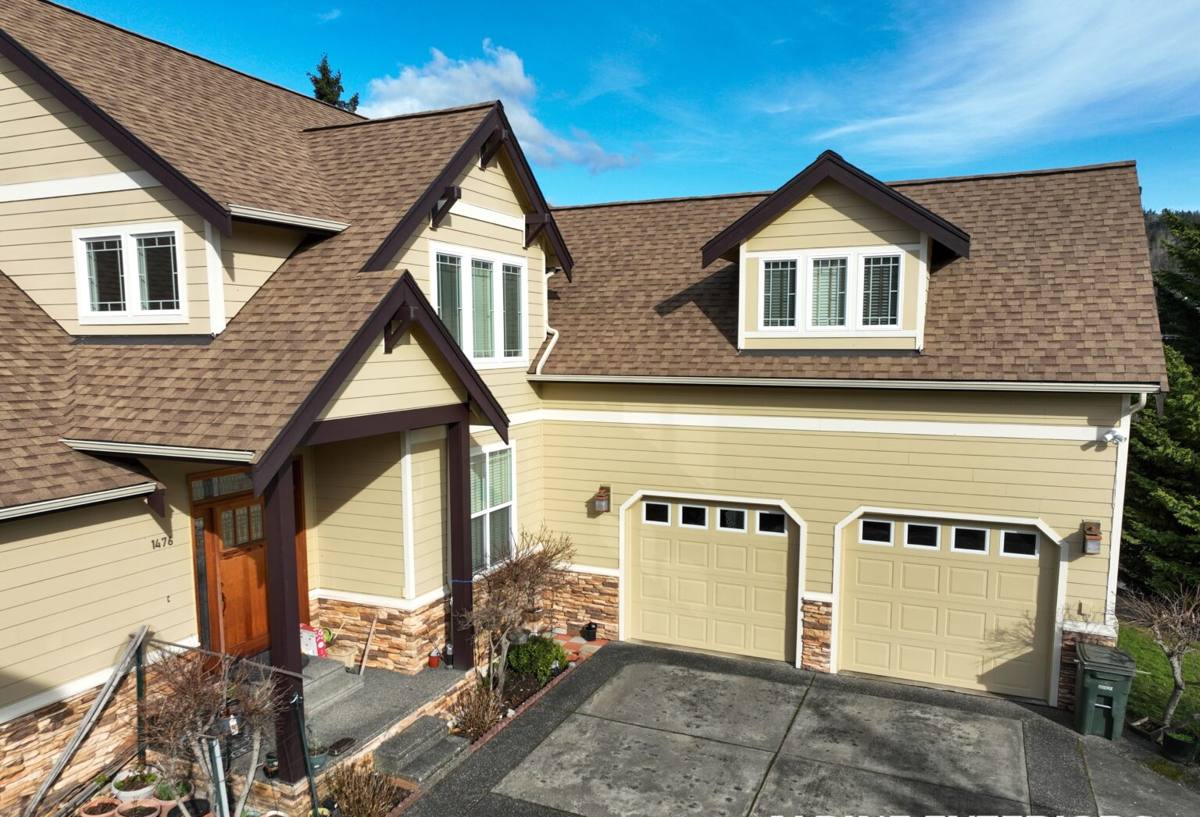
What the Coastal Climate Actually Does to a Deck
Salt Air and Corrosion
Airborne salt doesn't just affect homes right on the waterfront. It travels with the wind and settles on exposed metal everywhere it lands — deck screws, joist hangers, bolts, and railing hardware included. Once corrosion starts on a fastener embedded in wood, it weakens the connection from the inside, often long before any rust is visible on the surface.
Driving Rain and Standing Water
Wind-driven rain doesn't fall straight down, which means water gets pushed sideways into gaps between boards, under railing posts, and behind ledger flashing that was installed for a gentler climate. Combined with our long wet season, that means wood stays damp for extended stretches instead of drying out between storms — the single biggest factor in rot.
Moss and Algae Growth
Shaded decks, north-facing decks, and anything under tree cover will grow moss and algae readily during our wet months. Beyond looking bad, moss holds moisture directly against the wood surface and makes boards slippery and dangerous underfoot, especially on stairs.
Signs Your Ferndale Deck Needs Repair
Most deck problems give warning signs well before anything fails outright. Homeowners just aren't always sure what they're looking at. Walk your deck and check for these:
- Boards that feel soft, spongy, or bounce more than they used to
- Any place where a screwdriver or awl sinks easily into the wood
- Railings or posts that wiggle when pushed
- Gaps opening up around the ledger board where the deck meets the house
- Rust streaking below fastener heads or hardware
- Persistent green or black growth that doesn't wash off easily
- Stair stringers that flex or feel different from side to side
- Water pooling on the deck surface instead of draining off
Any one of these on its own might be minor. Several together, especially near the ledger or stairs, usually means it's time for an inspection rather than a guess.
Repair vs. Replace: How We Decide
Not every deck problem means starting over, and we don't push replacement when a targeted repair will hold up. The decision usually comes down to how much of the structure is affected versus the surface.
| Factor | Usually Repairable | Usually Needs Replacement |
|---|---|---|
| Ledger board condition | Isolated soft spots, minor gapping | Widespread rot, separation from house framing |
| Support posts | One or two posts with base rot | Most posts undersized, rotted, or not properly footed |
| Decking boards | Scattered cupped, split, or splintering boards | Majority of boards failing or original material near end of life |
| Framing/joists | Localized rot near a leak point | Rot spreading across multiple joists |
| Railings | Loose posts, worn balusters | Railing system doesn't meet current code and needs full rebuild |
| Age and original build quality | Solid framing, dated surface only | Undersized lumber, no flashing, poor original layout |
The honest answer is that a proper inspection is the only way to know for sure. We've walked away from jobs where a homeowner expected a full rebuild and only needed ledger and post repair, and we've had the opposite conversation too — where surface staining was hiding structural rot underneath.
Common Repairs We Handle on Ferndale Decks
Ledger Board and Flashing Repair
The ledger — where the deck attaches to the house — is the single most important structural connection and the most common failure point we see locally. If it was installed without proper flashing, or the flashing has failed, water works its way behind it every time it rains. We remove the compromised section, address the rot in the rim joist behind it if present, and rebuild the connection with correct flashing so the same failure doesn't happen again in a few years.
Post Base and Footing Repair
Post bottoms that sit close to grade or in standing water are prone to rot at the base long before the rest of the post shows damage. We repair or replace affected posts and, where needed, correct the footing so water doesn't pool against the wood going forward.
Decking Board Replacement
Individual boards that have cupped, split, or gone soft can usually be pulled and replaced without disturbing the rest of the deck, as long as the framing underneath is sound. We match board spacing and fastening to the existing deck so repaired sections don't stand out or perform differently than the rest.
Railing and Guard Repair
Loose or wobbly railings are often a fastener and post-connection issue rather than a full railing replacement. We also check that railing height and baluster spacing meet current code, since older decks were sometimes built to different standards.
Stair Repair
Stairs take more direct foot traffic and more direct rain than the rest of the deck, so stringers and treads tend to wear first. We check stringer integrity carefully here, since a stair that looks fine but flexes underfoot is a safety issue, not just a cosmetic one.
Our Deck Repair Process
- On-site inspection. We check the ledger, posts, framing, decking, and railings by hand — not just a visual walk-through — looking for soft spots, movement, and hidden moisture.
- Honest scope and estimate. You get a clear picture of what actually needs repair, what's cosmetic, and what we'd watch but leave alone for now.
- Structural repairs first. Ledger, framing, and post issues get addressed before anything cosmetic, since surface repairs on a weak structure don't hold.
- Board and hardware replacement. Damaged boards, fasteners, and hardware are replaced with materials suited to our coastal, wet climate.
- Finish and protect. Where wood decking is involved, we make sure the repaired sections are sealed or finished to match, so they weather at the same rate as the rest of the deck.
Materials and Fasteners We Use, and Why
Material choice matters more here than in drier climates. For repairs on wood decks, we generally use pressure-treated lumber rated for ground contact where posts or framing are involved, since the treatment resists rot better than standard lumber in our wet conditions. For fasteners and hardware, we use stainless steel or heavy hot-dip galvanized coated fasteners rather than standard-coated screws — the difference in corrosion resistance is significant when a deck is exposed to salt air year-round, and a repair is only as good as the fasteners holding it together.
On composite decking, repair work is more limited by design — most composite systems don't allow mixing brands or generations of board, and manufacturer warranties can be affected by improper repair methods. We'll always tell you plainly if a section is better replaced than patched, and why, rather than forcing a repair that won't hold up or that voids your warranty.
Keeping a Repaired Deck in Good Shape
A repair is only worth doing if it's protected afterward. A few habits go a long way in this climate:
- Sweep debris and standing leaves off the deck regularly, especially in fall
- Rinse or gently brush moss and algae off before it builds up, rather than after
- Check that gaps between boards stay clear so water drains instead of pooling
- Re-seal or refinish wood decking on the schedule the product calls for — often every one to three years in our climate, sooner on sun-exposed or shaded, damp areas
- Walk the deck once or twice a year and check posts, railings, and stairs for movement
Skipping this maintenance is how a good repair turns into a repeat repair five years later.
Why a Local Ferndale Crew Makes a Difference
Deck repair isn't just carpentry — it's carpentry that has to hold up to the specific conditions of where the deck sits. A crew that works Ferndale and the surrounding Whatcom County communities regularly already understands how salt air, seasonal rain patterns, and moss season affect wood and hardware here, instead of applying a generic approach built for a drier region. That shows up in the fasteners we default to, how we handle flashing at the ledger, and where we tell you a repair will hold versus where it won't.
It also means faster response when something needs a look, and a crew that's still around locally if a question comes up after the work is done.
If you've noticed soft boards, a wobbly railing, or moss that keeps coming back no matter what you do, we're happy to take a look. Reach out for a free, no-pressure estimate — we'll tell you honestly what your deck needs, and what it doesn't.