 Glenhaven Siding
 Composite Decking Built for Blaine's Waterfront Climate
Blaine sits right on the water, and that changes what a deck has to survive. Salt air off Semiahmoo Bay and Drayton Harbor works its way into fasteners, hardware, and anything porous. Add Whatcom County's driving rain and the long stretch of gray, damp months when moss and algae take hold on any shaded or low-airflow surface, and a deck here is under more sustained pressure than one built twenty miles inland. Composite decking, installed correctly for this environment, is one of the more reliable ways to get years of use out of an outdoor living space without constant upkeep.
This page covers what composite decking specifically needs to hold up in Blaine, what a correct installation actually involves, and how we approach the job when we already know what this stretch of coastline does to a deck over time.
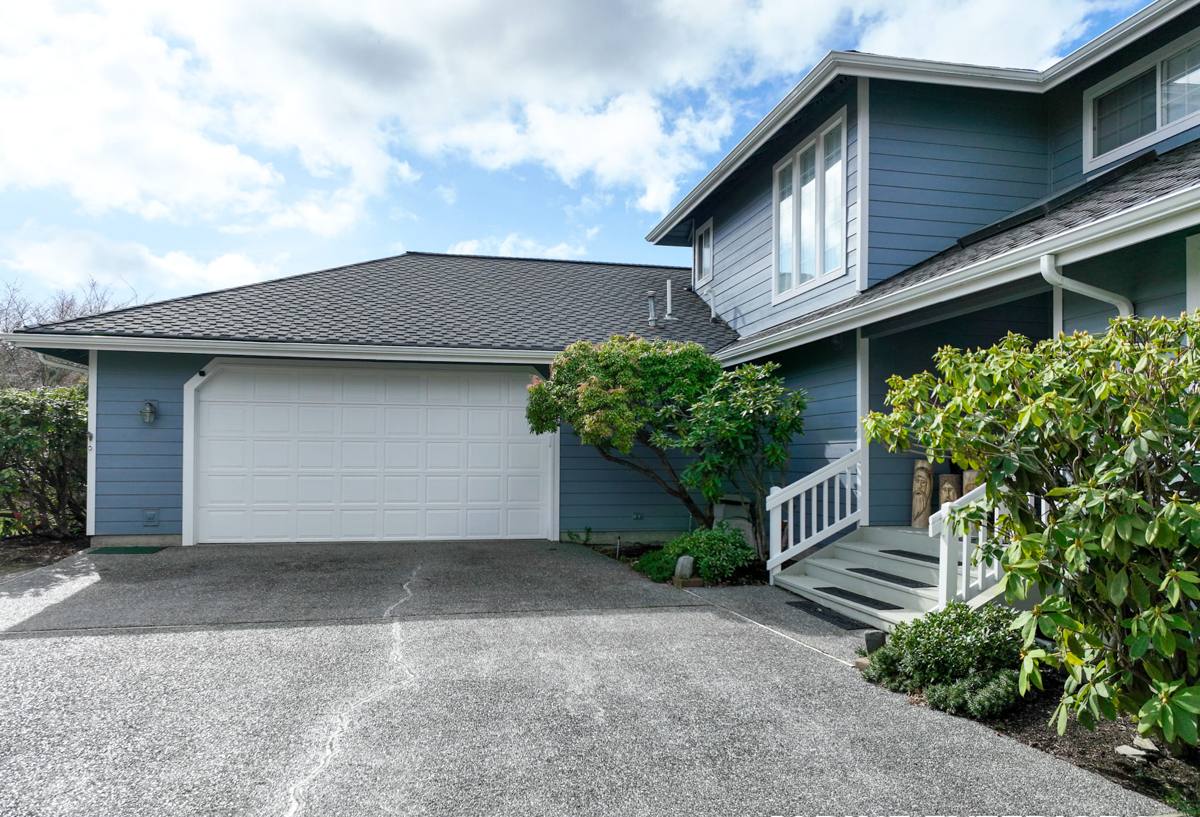
Why Blaine's Climate Is Hard on Decks
A few conditions stack up in this part of Whatcom County that don't show up the same way in drier or more inland climates:
- Salt-laden air: Airborne salt accelerates corrosion on exposed metal — fasteners, brackets, railing hardware — even when the deck itself never touches saltwater directly.
- Driving, wind-blown rain: Storms off the water often push rain sideways, which means water finds its way under rail caps, into end-grain cuts, and behind ledger boards more than it would in a calmer climate.
- Extended moss and algae season: Cool, damp conditions for much of the year create ideal growing conditions on any deck surface that doesn't get much sun or airflow — especially north-facing decks or ones shaded by trees or the house itself.
- High ambient humidity: Persistent moisture keeps wood decking damp longer between dry spells, which is part of why wood surfaces here tend to gray, cup, and soften faster than the same board would inland.
None of this makes a deck impossible to maintain — it just means material choice and installation details matter more here than in a lot of other places.
Why Composite Makes Sense for a Blaine Home
Composite decking doesn't absorb water the way wood does, which matters directly for salt air and rain exposure. It won't splinter, doesn't need annual staining or sealing, and modern capped composite boards resist the surface staining that lets moss and algae get a foothold. That doesn't mean composite is maintenance-free — it still needs cleaning and the substructure underneath still needs to be built right — but the day-to-day upkeep burden is considerably lower than wood in a climate like this.
| Factor | Wood Decking | Composite Decking |
|---|---|---|
| Moisture absorption | High — swells, cups, and grays with repeated wetting | Low — capped boards resist water intrusion |
| Moss/algae resistance | Poor without regular cleaning and treatment | Better on capped boards; still needs periodic washing |
| Annual upkeep | Staining or sealing, typically every 1-2 years | Occasional washing; no staining or sealing |
| Splintering/cracking | Common as wood ages and dries out between rains | Does not splinter |
| Upfront material cost | Lower | Higher |
| Typical lifespan with proper install | Shorter, especially in coastal exposure | Longer, with less degradation from salt air and rain |
We're not going to tell you wood decking is a bad product — plenty of homeowners like the look and are willing to keep up with the maintenance. Our professional standard for waterfront and near-waterfront properties in this area leans toward composite because it holds up to Blaine's specific combination of salt exposure and sustained moisture with less intervention from the homeowner.
Capped vs. Uncapped Composite
Not all composite boards are built the same. Capped composite has a protective polymer shell wrapped around a wood-plastic core, which is what actually gives it moisture and stain resistance. Uncapped or fully-exposed composite lacks that shell and is more prone to surface fading and moisture uptake over time. In a salt-air, high-rain environment like Blaine, we recommend capped composite for any deck that isn't fully covered — the extra durability is worth it given what the climate does to an exposed surface.
What a Correct Composite Deck Installation Involves
The board itself is only part of the picture. A composite deck that fails early in a coastal climate almost always fails because of what's underneath or around it, not the decking material itself. A correct install in this area accounts for:
Framing and Substructure
Joist spacing needs to match the manufacturer's specification for composite boards, which is often tighter than what's standard for wood decking — composite behaves differently under load and thermal movement. We use fasteners and structural hardware rated for coastal/high-corrosion exposure, since standard galvanized hardware degrades faster under salt air than most homeowners expect.
Ledger Board Flashing
Where the deck attaches to the house, proper flashing is what keeps wind-driven rain from working its way behind the ledger and into the wall assembly. This is one of the most common places we find water damage on decks that were installed without enough attention to flashing detail, and it's a bigger risk here than in drier climates because of how often rain gets pushed sideways.
Drainage and Airflow Underneath
Standing moisture under a deck is a major contributor to moss growth, mildew, and slower drying of the structure after storms. We grade and vent the space underneath so air can move and water doesn't pool against joists or posts.
Fastening Method
Hidden fastener systems keep the deck surface free of exposed screw heads, which both looks cleaner and removes another point where water and salt can sit and corrode metal over time. Where face-fastening is unavoidable — around borders, stairs, or picture-frame edges — we use coated or stainless fasteners rated for the exposure.
Choosing the Right Board for a Blaine Property
Beyond capped vs. uncapped, a few other choices matter for this climate:
- Color: Darker boards show less moss staining between cleanings but run hotter in direct sun; lighter and mid-tone colors hide algae less effectively on shaded decks. We'll talk through what fits your exposure.
- Grain pattern and texture: A textured, low-sheen surface tends to stay less slippery when wet, which matters given how much of the year this deck will see rain.
- Railing system: Metal railing components should be corrosion-rated for coastal exposure; composite or vinyl rail systems reduce the amount of exposed metal altogether.
- Board profile: Grooved-edge boards paired with hidden fasteners generally shed water better at the seams than square-edge, face-screwed boards.
Maintaining a Composite Deck in a Moss-Prone Climate
Composite cuts down on maintenance, but "low-maintenance" isn't "no-maintenance," especially this close to the water. A simple seasonal routine keeps a composite deck looking and performing the way it should:
- Sweep debris (leaves, needles, moss spores) off the surface regularly, especially in shaded areas and corners
- Wash the deck surface a few times a year with a soft-bristle brush and a mild soap-and-water solution — avoid pressure washing directly into board seams
- Check and clear gaps between boards where organic debris can collect and hold moisture
- Inspect railing hardware and fasteners annually for early signs of corrosion
- Confirm gutters and downspouts near the deck are directing water away, not onto the deck surface or substructure
- Trim back overhanging branches or vegetation that keep sections of the deck shaded and damp longer than the rest
Our Process for a Blaine Composite Deck Project
- Site assessment: We look at sun exposure, drainage, existing structure (if replacing an old deck), and proximity to water or prevailing wind direction, since all of that affects material and design recommendations.
- Design and material selection: We walk through board tier, color, railing system, and layout based on how you'll use the space and what the site exposure calls for.
- Permitting: Deck projects in Whatcom County typically require a permit depending on size and height — we handle that process as part of the job.
- Framing and structural work: Joists, ledger flashing, footings, and any structural repairs happen before a single composite board goes down.
- Composite installation: Boards are installed with the fastening method and spacing appropriate to the product and this climate.
- Final walkthrough: We go over the finished deck with you, including basic care guidance specific to the board you chose.
What Affects the Cost of a Composite Deck
Every deck project is different, and we'll always give you a written estimate specific to your property rather than a generic number. In general, these are the factors that move the price up or down:
| Factor | How It Affects Cost |
|---|---|
| Deck size and shape | Larger and more complex shapes (angles, multiple levels) increase material and labor |
| Substructure condition | New framing or footings cost more than building on an already-sound structure |
| Board tier | Entry-level capped composite costs less than premium or specialty finishes |
| Railing system | Composite/vinyl or cable railing runs higher than basic railing |
| Fastener/hardware exposure rating | Coastal-rated hardware costs more than standard-grade but reduces long-term corrosion risk |
| Site access | Difficult access or grade changes can add labor time |
Why Hire a Crew That Already Works in Blaine
A composite deck can be installed correctly or installed to just look right on the day it's finished — the difference shows up two or three winters later. Crews without coastal experience sometimes spec standard hardware, skip corrosion-rated fasteners, or under-detail the ledger flashing because those shortcuts don't cause visible problems right away in a drier climate. Working regularly in Blaine and the surrounding Whatcom County coastline means we already know which details can't be skipped here — corrosion-resistant hardware, proper ledger flashing against driving rain, and substructure ventilation to keep moss and standing moisture from becoming a long-term problem. We also know the local permitting process, which keeps the project moving instead of stalling on paperwork.
If you're weighing composite decking for a home in Blaine, we're happy to walk your property, talk through material options for your specific exposure, and put together a free, no-pressure estimate. Fill out the form below and we'll get in touch.