 Glenhaven Siding
 Board & Batten Siding Built for Sehome's Climate
Board and batten is one of the most requested siding styles in Sehome right now, and it's easy to see why. The bold vertical lines read as modern farmhouse on a new build and as understated craftsman on an older home, and it holds up visually in a way flat lap siding sometimes doesn't on taller wall sections. But style is only half the story. In Whatcom County, siding doesn't just have to look good — it has to survive salt-laden air, wind-driven rain that hits walls sideways instead of straight down, and a moss season that can stretch for months. Board and batten's wide flat panels and raised battens create more seams and more shadow lines than lap siding, which means the installation details matter even more than usual. Get them right and you get a siding system that looks sharp for decades. Get them wrong and you're chasing moisture problems behind panels that were never designed to hide them.
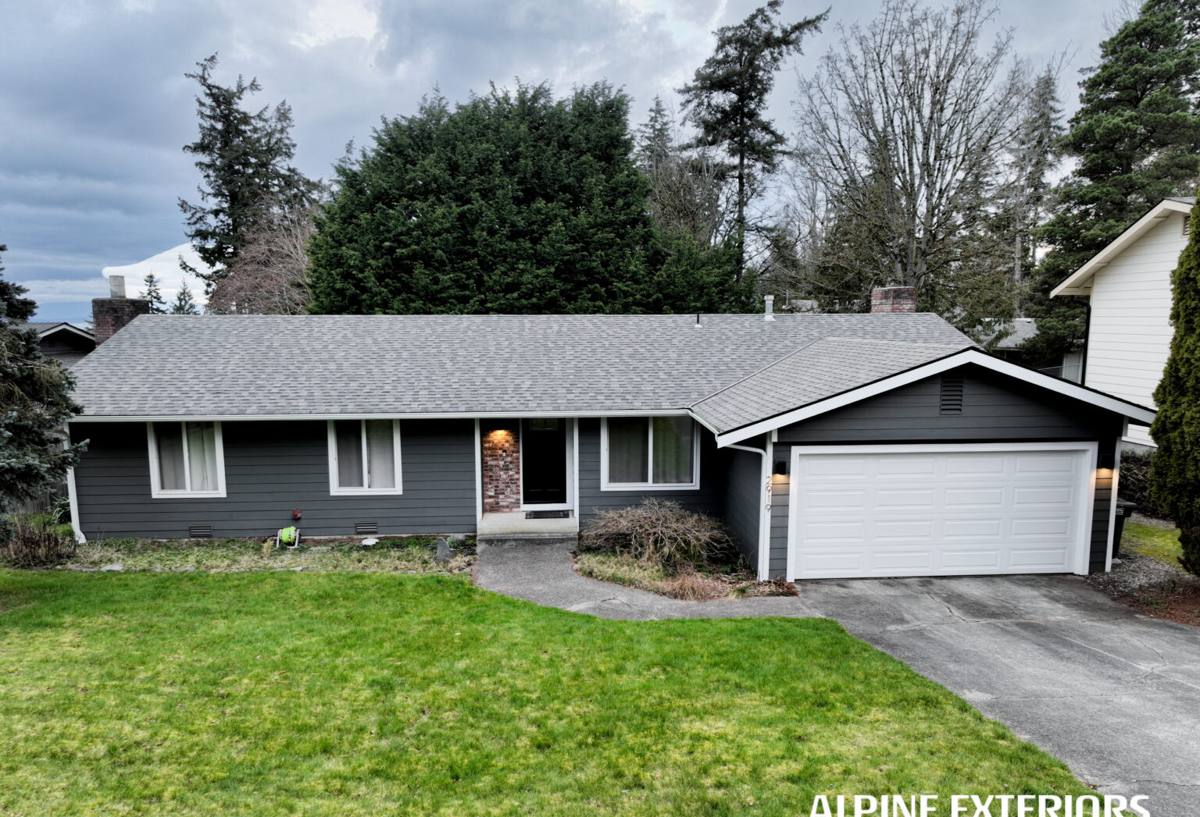
What Sehome's Climate Actually Does to Siding
Homes in and around Sehome deal with a specific combination of stresses that not every siding product — or every installer — accounts for.
Salt Air
Proximity to marine air means airborne salt settles on exterior surfaces year-round. Over time, salt exposure accelerates corrosion on exposed fasteners, degrades cheap coatings, and pulls moisture out of the air and onto siding surfaces even on days without rain. Materials and hardware that aren't rated for coastal exposure fail faster here than they would inland.
Driving Rain
Storms off the water don't just drop rain straight down — they push it sideways into walls, corners, and every horizontal seam a siding profile has. Board and batten, with its vertical joints and batten strips, has more edges where wind-driven water can find a way in if flashing and caulking weren't done correctly the first time.
Moss Season
The long wet stretch of the year in Whatcom County is exactly the environment moss and algae need. Siding that stays damp against a wall — because of poor ventilation behind the panel, or because water is trapped instead of shed — grows moss faster and holds it longer, which traps even more moisture against the substrate underneath.
None of this means board and batten is a bad choice for Sehome. It means the material has to be dimensionally stable and moisture-resistant, and the installation has to manage water on purpose rather than hope gravity handles it.
Why Board & Batten Works Here — When It's Done Right
The vertical panel-and-strip design of board and batten actually has a practical advantage in wet climates: fewer horizontal ledges for water to sit on compared to some lap profiles, when the panels and battens are properly flashed. It also tends to shed the visual streaking that moss and mildew cause on flatter surfaces, because the shadow lines from the battens break up staining and make routine washing easier to keep on top of. The style pairs naturally with the kind of coastal Pacific Northwest homes common in Sehome — craftsman remodels, modern farmhouse new builds, and simple gable-front houses all take board and batten well.
What a Correct Board & Batten Installation Involves
This is the part that separates a siding job that lasts thirty-plus years from one that needs rework in five. A correct install isn't just nailing panels to the wall — it's a layered moisture-management system.
- Weather-resistive barrier: A continuous, properly lapped water- and air-resistive barrier goes over the sheathing before any siding touches the wall.
- Rainscreen gap: A drainage plane behind the panels lets any water that does get past the siding drain and dry instead of sitting against the wall — critical in a climate with a long wet season.
- Flashing at every penetration: Windows, doors, hose bibs, light fixtures, and vents all need proper flashing details so wind-driven rain can't work its way behind the panel.
- Panel and batten spacing: Correct gaps at panel joints and around trim allow for expansion and contraction without buckling or opening up hairline gaps that let water in.
- Fastener placement and type: Fasteners rated for coastal/marine exposure, placed and spaced according to the manufacturer's engineering — not just "close enough."
- Sealant, not caulk-and-hope: The right sealant in the right joints, applied to a clean, dry surface — sealant is a backup to good flashing, not a substitute for it.
Every one of these steps is invisible once the job is finished. That's exactly why it's worth asking a contractor to walk you through their process before they start, rather than judging the job only by how straight the battens look on day one.
The James Hardie Panel & Batten System We Install
We install James Hardie fiber cement exclusively — no vinyl board and batten, no LP SmartSide, no primed spruce, no cedar. That's a deliberate standard, not a limitation on style. For a coastal climate like Sehome's, the reasons are practical:
- Dimensional stability: Fiber cement doesn't swell, cup, or rot the way wood-based battens and panels can when they take on repeated moisture cycles.
- Non-combustible: James Hardie siding is fiber cement, not a combustible material, which matters for both safety and, in many cases, insurance considerations.
- Climate-engineered formulation: James Hardie manufactures to HZ5 specifications for the Pacific Northwest — a formulation designed around the freeze-thaw and moisture patterns of this specific region, not a one-size-fits-all product.
- ColorPlus factory finish: A baked-on finish applied and cured under factory conditions holds color and resists the fading and chalking that field-applied paint struggles with under constant damp exposure.
- Warranty backing: James Hardie backs its products with a strong, transferable limited warranty — meaningful protection on a wall system you're not planning to replace again anytime soon.
Vinyl board and batten is lighter and cheaper up front, but it can warp in temperature swings and doesn't hold paint if you ever want to change the color. Wood board and batten looks beautiful the day it's installed and then becomes an ongoing maintenance commitment — repainting, caulking, and watching for rot — that most homeowners underestimate until they're a few years in. We made the call to install only James Hardie because, on Sehome's wall exposures, it's the product that holds up with the least drama over the longest time.
Board & Batten Material Comparison
| Factor | James Hardie Fiber Cement | Vinyl Board & Batten | Wood Board & Batten |
|---|---|---|---|
| Moisture/rot resistance | High — engineered fiber cement, not organic material | Won't rot, but can warp or crack in temperature swings | Vulnerable without diligent maintenance |
| Coastal/salt air performance | Formulated for regional exposure (HZ5) | Can become brittle and fade over time | Salt air accelerates weathering and finish breakdown |
| Finish longevity | Factory-baked ColorPlus finish | Color molded in, can fade unevenly | Needs repainting/restaining every few years |
| Fire resistance | Non-combustible | Combustible | Combustible |
| Ongoing maintenance | Occasional washing | Occasional washing | Regular painting, caulking, moss/rot monitoring |
| Typical lifespan when correctly installed | Decades, backed by transferable warranty | Long, but appearance degrades faster | Shorter without consistent upkeep |
How Our Sehome Board & Batten Process Works
1. On-Site Assessment
We walk the exterior with you, look at current siding and trim condition, check for existing moisture damage, and talk through how board and batten will look on your specific wall lines and roof pitches.
2. Detailed, Written Estimate
You get a clear scope — what's being removed, what's being installed, how flashing and drainage will be handled at windows and penetrations — before any work starts. No vague line items.
3. Tear-Off and Substrate Check
Old siding comes off and we inspect the sheathing underneath for water damage or rot before anything new goes up. Problems found here get fixed, not covered.
4. Weather Barrier and Rainscreen Install
The water-resistive barrier and drainage gap go in first, correctly lapped and sealed, before a single panel is hung.
5. Panel, Batten, and Trim Installation
Hardie panels and battens go up to manufacturer spec — spacing, fastener pattern, and flashing at every window, door, and penetration.
6. Final Walkthrough
We go around the whole exterior with you, point out the details, and make sure you're satisfied before we consider the job done.
Why It Matters to Hire a Crew That Already Works in Sehome
A siding crew that's unfamiliar with this specific stretch of Whatcom County is guessing at exposure conditions instead of knowing them. A contractor who already works in and around Sehome has a feel for which sides of a house take the worst of the driving rain, how much shade a given lot gets and what that means for moss growth, and how salt air exposure differs a few blocks in from what it is right along the water. That local pattern recognition shows up in small decisions — where to add extra flashing attention, how to detail a rainscreen gap for a particularly exposed wall — that a generic install checklist doesn't capture. It also means someone local stands behind the work if a warranty question comes up years down the road, rather than a crew that did one job in the area and moved on.
Signs Your Current Siding May Need Attention
- Visible moss or dark streaking that returns quickly after cleaning
- Soft or spongy spots when you press on siding or trim
- Paint that's peeling, bubbling, or chalking heavily
- Gaps opening up at panel seams, corners, or trim boards
- Warping, cupping, or bowing in wood or vinyl panels
- Interior signs like peeling paint or musty smell on exterior-facing walls
Any one of these is worth a look before it turns into a larger repair. Catching moisture intrusion early is almost always cheaper than catching it late.
Questions Worth Asking Before You Sign a Siding Contract
- What weather-resistive barrier and rainscreen system will be used, specifically?
- How will flashing be handled at windows, doors, and other penetrations?
- What fastener type and spacing will be used, and are they rated for coastal exposure?
- Is the manufacturer's installation instructions being followed to the letter, and can I see them?
- What does the warranty cover — material only, or labor too — and is it transferable if I sell?
If you're weighing board and batten for a home in Sehome and want a straight answer on what it would take — and cost — to do it right on your specific house, we're happy to take a look. Reach out for a free, no-pressure estimate using the form below.