 Glenhaven Siding
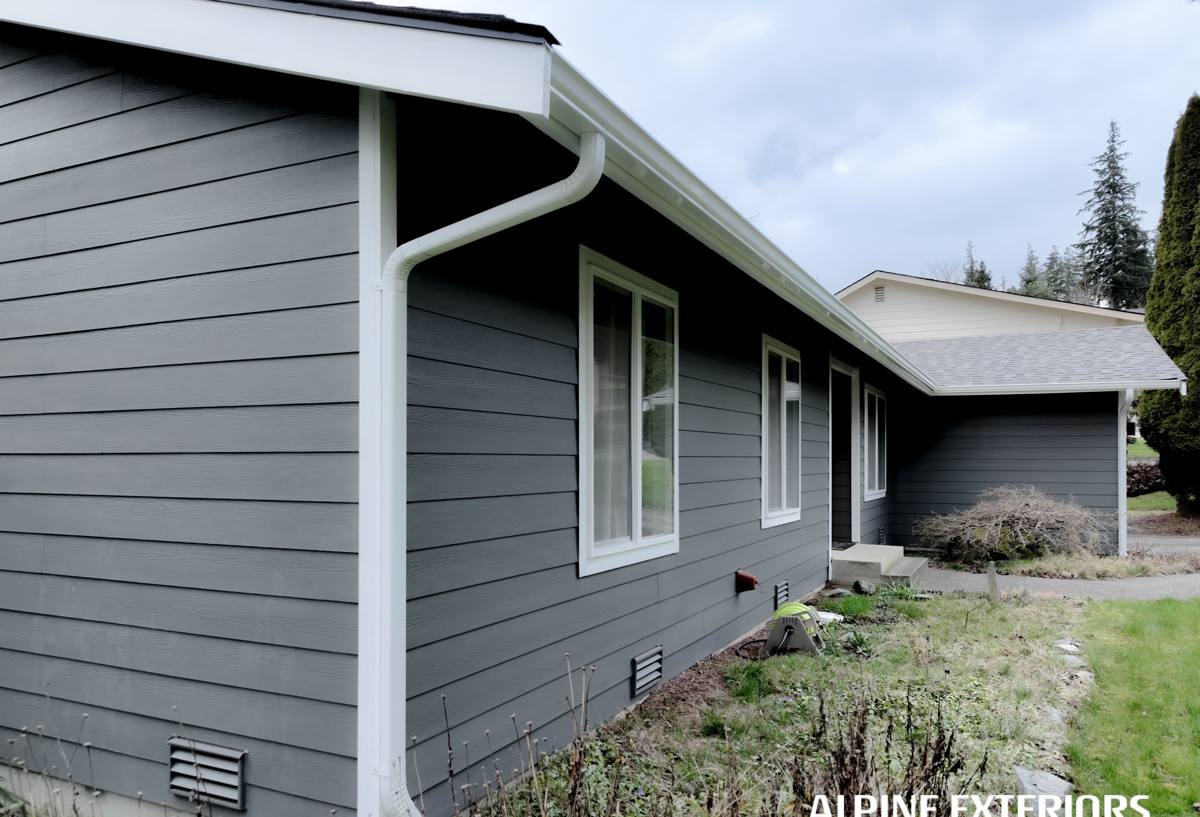
 Fiber Cement Siding Built for Columbia's Climate
Columbia sits close enough to open water and heavy tree cover that its homes take a different kind of beating than siding fifty miles inland. Salt-laden air works into seams and fastener heads. Driving rain off the water finds every gap in flashing and caulk. And because this part of Whatcom County stays damp and shaded for long stretches of the year, moss and algae get a head start on siding that other regions don't have to deal with until later in the season, if at all. We install James Hardie fiber cement siding for homeowners in Columbia because it is one of the few exterior claddings that holds up to all three of those stressors at once, and because we've seen what happens when the wrong product or a rushed install meets this specific climate.
This page is about that one job — fiber cement siding, done right, for a Columbia home — not a general siding overview. If you're comparing materials or trying to understand what "done right" actually means before you sign a contract, this is written for you.
What Salt Air, Rain, and Moss Actually Do to Siding Here
Salt Air and Corrosion
Airborne salt doesn't just sit on the surface of a wall — it works its way into fastener heads, trim joints, and any exposed metal flashing. Over years, that accelerates corrosion in anything not rated for a marine-influenced environment. Fasteners rust, flashing pits, and paint finishes that aren't formulated to resist salt exposure chalk and fade faster than they would twenty miles inland.
Driving Rain and Water Intrusion
Wind-driven rain doesn't fall straight down — it gets pushed sideways into laps, corners, and penetrations. A siding system that relies on caulk alone to keep water out will eventually fail here, because caulk is a maintenance item, not a permanent seal. What keeps water out long-term is correct lap spacing, proper flashing at every horizontal surface, and a drainage plane behind the siding that lets any moisture that does get in find its way back out.
Moss, Algae, and the Long Wet Season
Shaded, damp conditions for much of the year mean moss and algae growth start earlier and last longer than in drier parts of the state. Wood-based siding products absorb moisture and give organic growth something to root into. Fiber cement doesn't feed moss the way wood or wood-composite products do, but it isn't immune — north-facing walls and areas under heavy tree canopy still need airflow and occasional cleaning to stay ahead of it.
Why We Only Install James Hardie Fiber Cement
Fiber cement is a category, not a single product — there are several brands on the market, and they are not interchangeable. We standardized on James Hardie specifically, and we don't install LP SmartSide, vinyl, Cemplank, Allura, or unprimed wood siding on any home we work on, including in Columbia. Here's the honest reasoning:
- Non-combustible core: James Hardie's fiber cement doesn't burn, feed a fire, or contribute fuel the way wood-based products can — a meaningful factor in a region with dry summer stretches even amid the wet winters.
- Factory-applied ColorPlus finish: The finish is baked on at the factory under controlled conditions, not brushed on site, which gives it better long-term resistance to fading, chalking, and the salt-and-rain cycle this area sees.
- Climate-engineered product lines: Hardie makes HZ5 and HZ10 formulations specifically engineered for wetter, harsher climates, which is a better match for Columbia than a general-purpose fiber cement board.
- Warranty structure: Hardie's transferable warranty is backed by a large, established manufacturer with a long track record, which matters more than a lower sticker price if something needs to be addressed years down the road.
None of this means other products are junk — it means that after years of installing and repairing siding in this specific climate, we settled on the one system we're confident stands up to it, and we'd rather turn down a job than install something we don't trust on a Columbia home.
What a Correct Fiber Cement Installation Actually Involves
Substrate and Moisture Barrier
Before a single board goes up, the wall needs a sound substrate and a properly lapped weather-resistive barrier. In a climate with this much driving rain, shortcuts here are the single biggest cause of hidden rot behind siding that looks fine from the curb.
Flashing at Every Horizontal Surface
Windows, doors, decks, and any roof-to-wall intersection need dedicated flashing, not just caulk. Caulk seals a gap; flashing redirects water so it never reaches the gap in the first place. This is the detail that separates a siding job that lasts twenty-plus years from one that starts showing water stains in five.
Correct Fastening and Lap Spacing
James Hardie publishes specific fastener types, spacing, and lap requirements for a reason — get it wrong and you either void the warranty or create a path for wind-driven rain to get behind the boards. Fasteners should be corrosion-resistant given the salt exposure in this area, not standard interior-grade hardware.
Caulking and Touch-Up Painting
Cut edges and joints get sealed and touched up with matched, factory-recommended products so the ColorPlus finish's fade resistance isn't compromised at the seams — the weak point on almost every fiber cement job that wasn't finished carefully.
Our Process, Start to Finish
1. On-Site Assessment
We walk the home, check the current siding and substrate condition, note problem areas — usually north-facing walls, anywhere under heavy tree cover, and spots with a history of moisture staining — and talk through product and color options that fit the house and the site.
2. Removal and Substrate Repair
Old siding comes off, and any water damage or soft sheathing underneath gets repaired before anything new goes up. Installing new siding over a compromised substrate just hides a problem instead of fixing it.
3. Weather Barrier and Flashing
A new moisture barrier goes on correctly lapped, and flashing is installed at every window, door, and horizontal transition before siding starts.
4. Siding Installation
Boards go up to Hardie's fastening and spacing specifications, with corrosion-resistant fasteners appropriate for the salt exposure in this area.
5. Finish Work and Walkthrough
Trim, caulking, and touch-up are completed, the site is cleaned up, and we walk the property with the homeowner before calling the job done.
Comparing Siding Materials for a Columbia Home
Homeowners comparing options often ask how fiber cement stacks up against the alternatives once you factor in this area's specific conditions. Here's an honest comparison:
| Factor | James Hardie Fiber Cement | Vinyl | Untreated Wood/Cedar |
|---|---|---|---|
| Resists driving rain intrusion when installed correctly | Yes, with proper flashing | Prone to gaps and warping over time | Requires diligent maintenance |
| Performance in salt-air exposure | Strong with corrosion-resistant fasteners | Can become brittle and discolor | Fasteners and finish corrode/fade faster |
| Resistance to moss and algae growth | Doesn't feed organic growth | Doesn't feed growth, but seams trap moisture | Absorbs moisture, feeds growth |
| Fire performance | Non-combustible | Can melt/deform under heat | Combustible |
| Typical lifespan when properly installed | Multiple decades | 15-25 years | Highly maintenance-dependent |
What Maintenance Looks Like After Installation
Fiber cement is far lower-maintenance than wood, but "low-maintenance" in this climate still means some upkeep. A realistic annual routine for a Columbia home looks like this:
- Rinse siding down once or twice a year, more often on shaded or north-facing walls where moss and algae take hold fastest.
- Inspect caulking at trim, windows, and corners annually and re-caulk any joints that have cracked or pulled away.
- Trim back vegetation and tree limbs that keep walls shaded and damp longer than they need to be.
- Check gutters and downspouts before the wet season to keep water from sheeting down the siding face.
- Watch for any soft spots, staining, or bubbling paint, which usually points to a flashing or caulk issue worth catching early.
Why It Matters to Hire a Crew That Already Works in Columbia
Fiber cement installation manuals read the same everywhere in the country, but the conditions they're being installed into don't. A crew that already works in Columbia knows which walls take the worst of the driving rain, which sides of a house need extra attention for moss, and how much corrosion-resistant hardware actually matters here versus somewhere drier. That's the difference between a crew that follows a generic checklist and one that's watched what does and doesn't hold up on homes like yours, in this exact stretch of Whatcom County, over multiple wet seasons.
If you're weighing a siding replacement or repair in Columbia, we're happy to take a look at your home, walk you through what James Hardie fiber cement would involve for your specific situation, and give you a straightforward, no-pressure estimate — no obligation, just an honest read on what your siding needs.