 Glenhaven Siding
 Siding Installation Built for Columbia's Coastal Climate
Homes in the Columbia area of Glenhaven sit in one of the more demanding exposure zones in Whatcom County. Salt-laden air off the water, long stretches of driving rain, and a moss season that can linger for months put real, measurable stress on exterior cladding. Siding here isn't just a cosmetic decision — it's the single layer standing between your framing and a climate that rarely lets up. When we talk about siding installation for Columbia specifically, we're talking about a job that has to account for wind-driven moisture intrusion, prolonged surface dampness, and materials that hold up to salt exposure without constant upkeep.
This page focuses on exactly that: what Columbia homes need from a siding installation, what a correctly executed job looks like, how our process works from first estimate to final walkthrough, and why hiring a crew that already knows this specific stretch of Glenhaven matters more than it might seem.
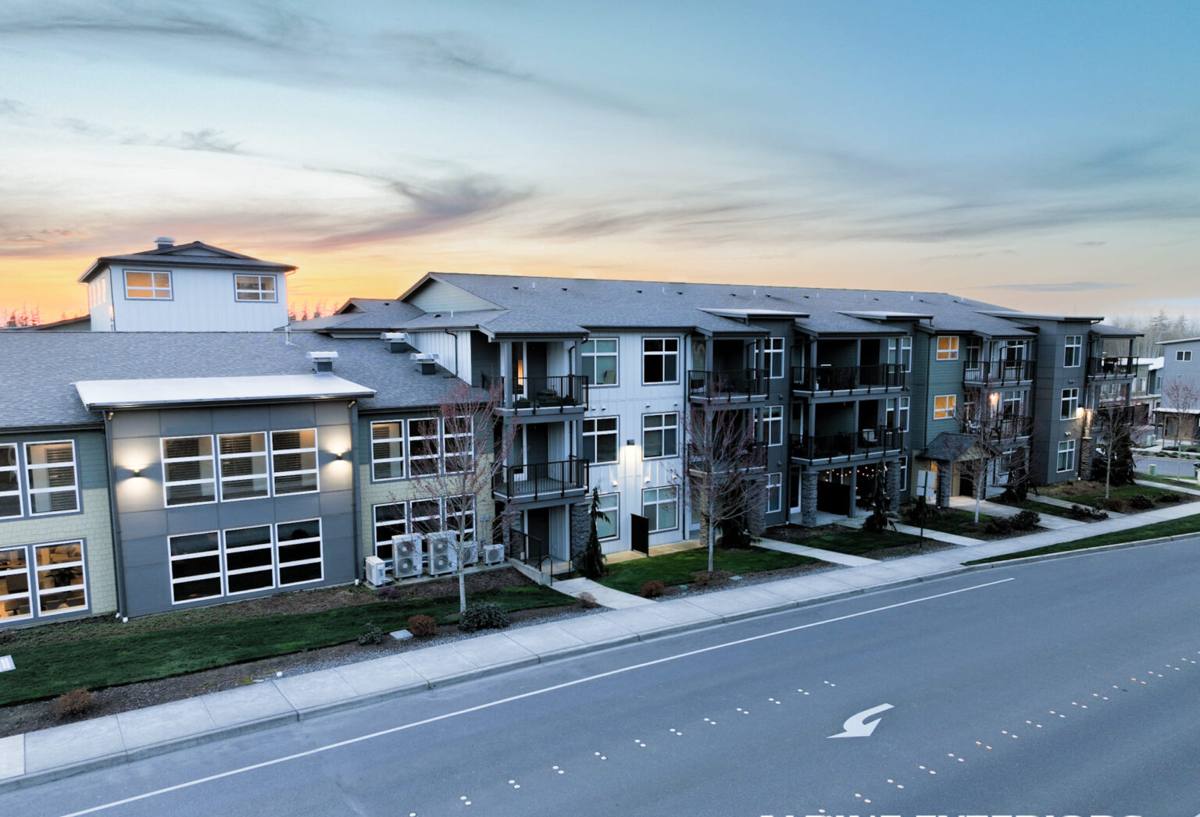
What Columbia Homes Are Actually Up Against
Three climate factors drive almost every siding failure we see in this part of Whatcom County, and they compound each other.
Salt Air and Corrosion
Proximity to salt water accelerates corrosion of fasteners, flashing, and any metal trim components. Cheaper fastener systems and unprotected metal flashing degrade faster here than they would even a few miles inland. It also affects paint and finish systems — a factory-applied, baked-on finish holds color and resists salt-driven fading far better than field-applied paint.
Driving Rain
Wind-driven rain doesn't just fall on siding — it gets pushed sideways and upward into laps, seams, and penetrations. A siding system that isn't installed with the right overlap, flashing, and weather-resistive barrier detailing will let water behind the cladding, where it causes damage you won't see until it's expensive.
Moss Season
Extended damp, shaded conditions during the fall and winter months create ideal growing conditions for moss and algae on north-facing walls and anywhere airflow is restricted. Materials that absorb moisture stay wetter longer, which feeds that growth cycle and accelerates deterioration underneath it.
None of this is unique to Columbia in the abstract — it's the story across much of coastal Washington. But the combination and intensity here is why we treat siding installation as a systems problem, not just a material swap.
Why We Install Only James Hardie Fiber Cement
We made a deliberate decision to install one product line: James Hardie fiber cement siding. We don't install vinyl, LP SmartSide, Cemplank, Allura, primed spruce, or cedar. That's not a marketing position — it's a standard we set after weighing how each of those products performs against exactly the conditions described above.
Fiber cement is non-combustible, dimensionally stable in wet-dry cycling, and doesn't feed moss growth the way wood-based products can once moisture gets into the surface. James Hardie's ColorPlus factory finish is baked on and warrantied against fading and peeling in a way field-applied paint systems simply aren't, which matters directly for salt-air exposure. Hardie also engineers regional product lines — including HZ5 and HZ10 formulations — specifically for wet, humid, high-moisture climates like the Pacific Northwest, rather than selling one generic board everywhere. That combination of non-combustibility, factory finish durability, and climate-specific engineering is why it's the only product we put on homes.
What a Correct Siding Installation Actually Involves
The material is only part of the equation. Most siding failures we're called to diagnose trace back to installation shortcuts, not the product itself. A correct job on a Columbia home involves several layers working together.
Weather-Resistive Barrier and Flashing
A continuous weather-resistive barrier goes on before any siding, with flashing integrated at every window, door, and penetration so water is directed out and down, never trapped behind the cladding. Given how much wind-driven rain this area sees, sloppy flashing work is the single most common cause of hidden rot we find behind old siding.
Proper Clearances
Siding needs consistent clearance from grade, roofing, decks, and any horizontal surface where water and debris can collect. Too little clearance traps moisture against the bottom edge of the siding — exactly the kind of chronic dampness that invites moss and accelerates deterioration.
Fastening Standards
James Hardie specifies fastener type, placement, and spacing for a reason — done wrong, boards can crack, cup, or work loose over time, especially under the freeze-thaw and wet-dry cycling common here. We follow manufacturer fastening schedules exactly, not "close enough."
Joint and Seam Treatment
Butt joints, corners, and trim transitions are where water intrusion typically starts. Correct caulking, flashing tape, or manufacturer-approved joint treatment at every seam is what keeps driving rain from finding its way behind the wall assembly.
Our Process, Start to Finish
1. On-Site Assessment
We walk the exterior with you, looking at existing siding condition, moisture staining, moss patterns, and any trouble spots that point to underlying issues like inadequate flashing or trapped moisture.
2. Scope and Estimate
You get a clear, written scope covering tear-off (if applicable), any sheathing or framing repair needed, the specific Hardie product and color, and the installation approach — no vague allowances.
3. Prep and Weather Barrier
Old siding comes off, damaged sheathing is repaired, and a continuous weather-resistive barrier goes on with flashing detailed at every penetration before a single piece of siding is hung.
4. Installation to Manufacturer Spec
Siding goes up following James Hardie's fastening, clearance, and joint-treatment requirements — the details described above, applied consistently across the whole house, not just the visible elevations.
5. Final Walkthrough
We walk the finished job with you, checking clearances, seams, and trim, and answer any questions about care and warranty registration before we consider the job done.
Comparing Siding Materials for a Columbia Exposure
Homeowners researching options often ask how the alternatives actually stack up against the conditions described earlier. Here's an honest comparison focused specifically on salt air, driving rain, and moss resistance — not price alone.
| Material | Moisture Behavior | Salt Air / Finish Durability | Moss Resistance |
|---|---|---|---|
| James Hardie Fiber Cement | Dimensionally stable, engineered HZ lines for wet climates | Factory ColorPlus finish resists fading and peeling | Doesn't feed growth like wood-based products; stays drier |
| Vinyl | Doesn't absorb water but can warp or crack in temperature swings | Field color can chalk and fade; no factory-baked finish | Growth can still form on surface film in damp shade |
| LP SmartSide (engineered wood) | Wood-based; vulnerable if moisture reaches cut edges or seams | Requires diligent caulking and touch-up over time | Wood substrate can support growth if finish is compromised |
| Cedar | Absorbs and releases moisture; needs consistent maintenance | Requires refinishing on a recurring schedule | Prone to moss and algae without regular upkeep |
This is why we standardized on one product rather than offering several: it's the one that performs best against the specific failure modes we see repeatedly in this climate.
A Pre-Installation Checklist for Columbia Homeowners
Whether you hire us or someone else, these are the things worth confirming before any siding installation starts:
- Is the weather-resistive barrier continuous, with flashing detailed at every window, door, and penetration?
- Does the written scope name the exact product line, including which James Hardie climate-specific formulation is being used?
- Are fastener type and spacing specified in writing, matching manufacturer requirements?
- Is proper clearance from grade, roofing, and decking called out in the plan?
- Does the contractor register the manufacturer warranty on your behalf, and do you get documentation?
- Has the crew worked in this specific microclimate before, and can they speak to how they handle it?
Why a Crew That Already Works Columbia Matters
Siding installation isn't identical everywhere in Whatcom County. A crew that's worked homes in and around Columbia already understands which elevations take the worst of the wind-driven rain, where moss tends to establish first, and how salt exposure shows up in fastener and flashing corrosion over time. That experience shows up in small decisions — extra attention to a north-facing wall, tighter flashing details around a specific window style common in the area, or knowing which trim details tend to fail first locally. It also means fewer surprises during permitting and inspection, since local requirements and typical construction patterns aren't unfamiliar territory.
None of that replaces sound installation fundamentals, but it does mean fewer guesses and a better match between the product and the specific exposure your home faces.
Longevity, Maintenance, and Warranty
Correctly installed James Hardie siding is built to hold up with minimal upkeep — periodic washing to keep salt residue and organic buildup from accumulating is typically the extent of routine maintenance. Because the finish is factory-applied rather than field-painted, homeowners aren't on a recurring repainting cycle the way they would be with cedar or many engineered wood products. James Hardie backs its products with a transferable limited warranty, which matters both for your own peace of mind and for resale value down the line. Getting that warranty coverage depends on correct installation to manufacturer specification — another reason installation quality and product choice have to be considered together, not separately.
If you're weighing a siding installation for a home in the Columbia area and want a straight answer about what your house actually needs, we're happy to take a look. Reach out for a free, no-pressure estimate using the form below.