 Glenhaven Siding
 Windows Built for the Deming Climate
Deming sits inland from the coast, tucked into wooded, low-lying terrain in Whatcom County — and that setting comes with its own set of demands on a home's windows. You get less direct sun exposure than homes in open, cleared lots, more standing humidity under tree cover, and long stretches where wood, vinyl, and trim simply don't dry out between rain events. Add in the driving rain that comes through this part of Washington for much of the year, and windows here are doing more work than most homeowners realize.
A window isn't just glass in a frame. It's a system of seals, flashing, insulation, and drainage that either works together to keep water and air out, or fails quietly until you notice fogging, drafts, or soft trim. In a climate like ours, that system gets tested constantly — which is why we approach every custom window job in Deming as a moisture-management project first, and an aesthetic upgrade second.
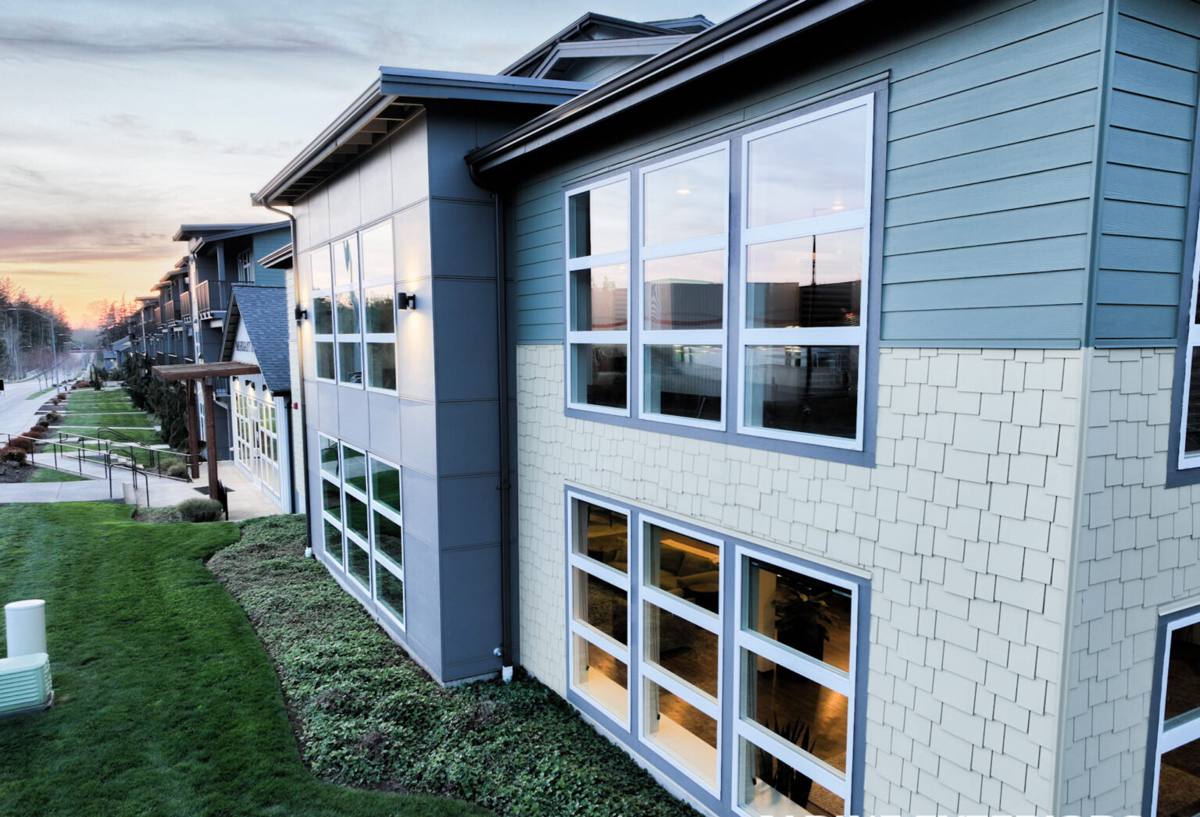
What Makes Deming Different from Other Parts of Whatcom County
Shade, Moisture, and Moss
Homes with heavy tree cover — common around Deming — hold moisture longer than homes in open areas closer to the water. Less wind and sun means slower drying after rain, and that moisture has to go somewhere. Around windows, it tends to settle into caulk lines, sill trim, and any gap in old flashing. Combined with a long moss season across this whole region, north- and shade-facing walls can stay damp for weeks at a stretch, which accelerates rot in wood-framed windows and breaks down cheap sealants faster than manufacturers advertise.
Temperature Swings
Inland, foothill-adjacent homes also see wider day-to-night and season-to-season temperature swings than homes closer to open water, which moderates temperature somewhat. That swing puts more stress on seals and frame materials — expansion and contraction that, over years, is exactly what turns a small gap into a real air or water leak.
What a Correct Window Installation Actually Involves
Most window failures we get called out for in this area aren't the glass — they're the installation. A window can be an excellent product and still fail if it's not flashed, sealed, and insulated correctly for our rain load. Here's what we hold every job to:
Flashing and Water Management
Every window opening needs a drainage path so any water that gets past the exterior seal has somewhere to go besides your wall cavity. That means proper sill pan flashing, correctly lapped house wrap, and head flashing that actually sheds water outward instead of trapping it against the frame. This is the single most common shortcut we find when we open up an older window in this area — and it's the reason a house can have "new windows" and still develop rot within a few years.
Air Sealing and Insulation
The gap between the window frame and the rough opening needs to be filled with the right material — not just caulked over on the surface. Low-expansion foam or backer rod and sealant, applied correctly, stops both air infiltration and the kind of condensation that shows up as mysterious moisture on interior sills during our colder, damp months.
Frame Fit and Squareness
A custom window only performs as well as its fit. We measure each opening individually rather than assuming older homes are square — many aren't — and we fabricate or order to match the actual opening, not a catalog standard. A window that's shimmed and forced into an out-of-square opening will bind, leak, or fail its seal well before its rated lifespan.
Choosing Frame Materials for a Humid, Shaded Climate
There's no single "best" window material — it depends on your home's exposure, your maintenance appetite, and your budget. In a climate with this much sustained moisture, we walk every homeowner through the real trade-offs rather than pushing one product.
| Frame Material | Moisture Performance | Maintenance | General Cost Position |
|---|---|---|---|
| Vinyl | Won't rot; handles moisture well long-term | Low — occasional cleaning | Most affordable |
| Fiberglass | Excellent — very stable in wet, swinging temperatures | Low | Mid to upper range |
| Aluminum-clad wood | Good on the exterior face; interior wood still needs protection | Moderate — watch seams and cladding joints | Upper range |
| Solid wood | Requires diligent upkeep in a wet, shaded climate | High — regular repainting/sealing | Varies, often premium |
For shaded, moisture-heavy lots typical of Deming, we generally steer homeowners toward vinyl or fiberglass unless there's a strong architectural or historic reason to stay with painted wood. It's not that solid wood windows are a bad product — it's that they demand a maintenance schedule that's easy to fall behind on in a climate that barely gives paint a chance to fully cure between rain events. If wood is what you want, we'll install it correctly and tell you honestly what the upkeep will look like.
Our Custom Window Process
- On-site assessment: We look at existing flashing, trim condition, and any signs of past moisture intrusion before we talk product.
- Precise measurement: Every opening is measured individually — no assuming symmetry between windows on the same wall.
- Material and style selection: We go over frame material, glazing options, and style based on your home's exposure and your goals.
- Removal and opening prep: Old units come out carefully, and we inspect the rough opening for hidden rot or damage before anything new goes in.
- Flashing and installation: Sill pan, house wrap integration, and window installation per manufacturer specs adapted for our rain exposure.
- Insulation, sealing, and trim: Interior and exterior sealing, insulation of the gap, and trim finish work.
- Final walkthrough: We check operation, seals, and cleanup before we consider the job done.
Common Window Problems We See in Homes Around Deming
Because of the shade and moisture profile in this area, the same handful of issues show up repeatedly:
- Soft or discolored trim at the sill, usually from years of slow water intrusion rather than a single event
- Moss or dark staining building up in the lower corners of frames and sills
- Fogging between panes on older double-pane units, meaning the seal has failed and the insulating gas is gone
- Noticeable drafts near the frame during windy, rainy weather
- Windows that stick or won't latch cleanly, often from swelling wood or a settling, out-of-square opening
- Condensation forming on the inside of the glass or sill during cold snaps
Repair, Replace, or Leave It Alone?
Not every window issue means a full replacement. Sometimes a failed seal on an otherwise sound frame just needs new glazing, or trim rot is isolated and repairable. We'll tell you honestly which category your windows fall into. As a general guide:
- Repair is usually enough when the frame is structurally sound and the problem is isolated glazing failure, hardware, or minor trim damage.
- Replacement makes sense when you see rot extending into the framing, persistent drafts despite resealing, or multiple units failing around the same age.
- Get it looked at now, not later if you notice soft wood, water staining on interior walls below a window, or a musty smell near a window that wasn't there before — in this climate, small moisture problems don't stay small.
Why Hire a Crew That Already Works in Deming
A window contractor who mostly works drier, more open parts of Washington can still do competent work — but they won't always anticipate how much a shaded, moisture-heavy site changes the details. Flashing that's adequate in a low-rain climate can be marginal here. A caulk product rated for general use may not hold up to how long our surfaces stay damp. Crews who regularly work this part of Whatcom County build in the extra margin — heavier-duty sealants, more attention to drainage paths, and realistic expectations about how fast moss and moisture will find any weak point.
Local experience also means fewer surprises during the job itself: knowing what older Deming-area construction tends to look like behind the trim, what to expect from rough openings in homes of a certain age, and how to sequence work around the wetter stretches of the year so new installations aren't fighting the weather before the sealant even cures.
Protecting Your Investment After Installation
New windows still need a little seasonal attention in a climate like ours. A few habits go a long way:
- Rinse frames and sills periodically to keep moss and organic buildup from taking hold, especially on shaded elevations
- Check exterior caulk lines once a year for cracking or separation, particularly after a hard winter
- Keep gutters and downspouts clear so overflow isn't running down the wall past window heads
- Trim back vegetation that's shading windows and keeping that section of wall from ever fully drying
- Address small issues — a sticking sash, a soft spot in trim — before the next rainy stretch, not after
If your windows are drafty, fogged, sticking, or just overdue for an honest look, we're glad to come out, walk the exterior with you, and give you a straightforward assessment — no pressure, no upsell. Use the form below to request a free estimate for your Deming home.