 Glenhaven Siding
 Windows Built for How Deming Actually Weather
Deming sits inland from the coast, but it still lives inside Whatcom County's marine climate system. That means damp, mild air moving through most of the year, long stretches of driving rain funneled up the Nooksack valley, and a moss season that can run from early fall through late spring. Windows here don't fail the way they do in drier parts of the country. They fail from the outside in — moisture working past seals, condensation building between panes, and frames that hold water instead of shedding it.
"Energy-efficient" gets used as a marketing word a lot. For a home in this area, it should mean something specific: a window that keeps conditioned air in, keeps wind-driven moisture out, and keeps performing that way for fifteen or twenty years without the frame swelling, the seal failing, or algae taking hold on the sill. That's the standard we build to on every job, not just the ones with a bigger budget.
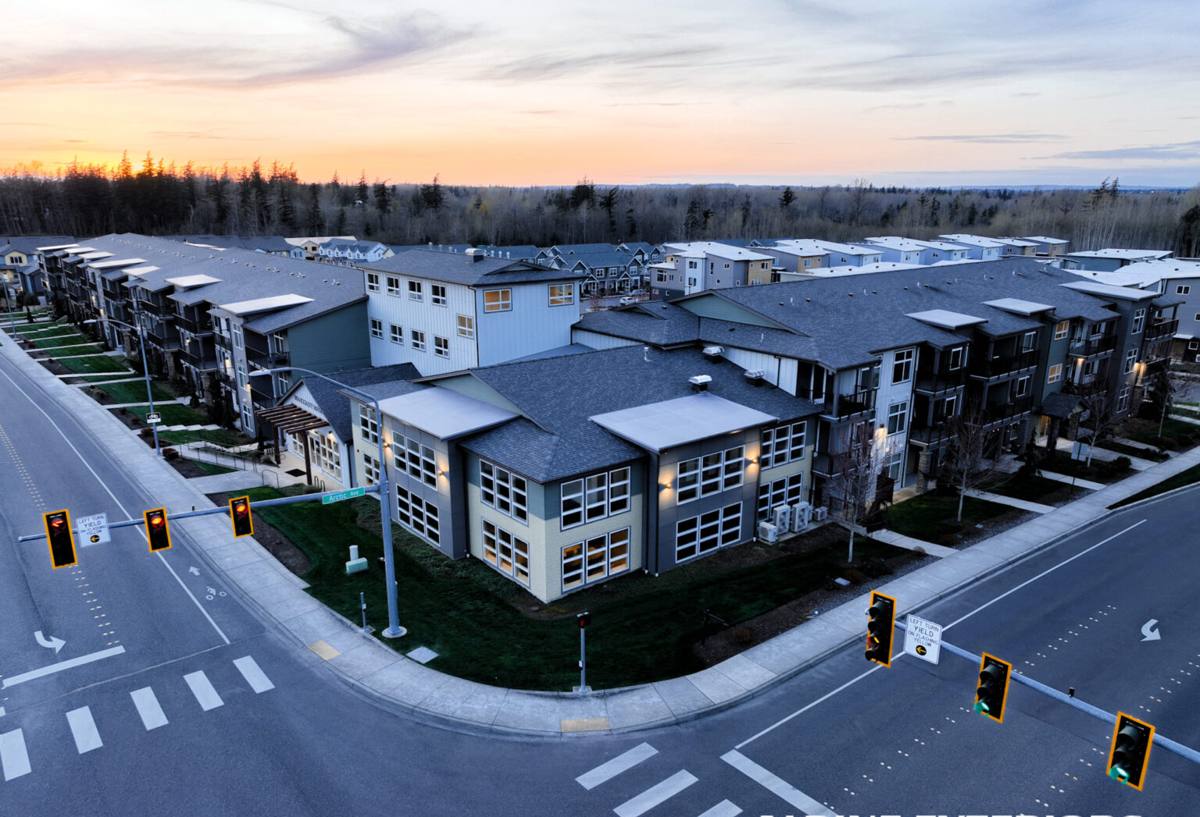
What Actually Makes a Window Energy-Efficient
U-Factor and Solar Heat Gain
Two numbers matter more than any brand name: U-factor (how much heat the window lets escape) and Solar Heat Gain Coefficient, or SHGC (how much solar heat it lets in). In a climate like ours, where winters are the bigger heating cost driver and summer heat gain is rarely the problem, we generally prioritize a low U-factor first. That's the number doing most of the work on your winter heating bill.
Glass Packages
Double-pane windows with a low-E coating and argon gas fill are the practical baseline for this region — they perform well and keep the cost reasonable. Triple-pane adds another layer of glass and gas fill for better insulation and sound dampening, which matters more on a busy road or a home that runs cold in winter, but it adds weight, cost, and sometimes requires a frame built to handle it. We'll tell you honestly when triple-pane is worth it and when it's not.
Frame Material
The frame is where a lot of window problems actually start in wet climates — not the glass. A frame that absorbs moisture, warps, or lets water sit against the wall sheathing will undercut even the best glass package. This is the part of the job we spend the most time getting right.
Where Windows Actually Fail Around Here
Most of the window problems we get called out for in this area trace back to a handful of repeat causes:
- Failed seals between panes, showing up as fogging or a hazy film that won't wipe off
- Wind-driven rain finding its way behind poorly flashed trim, especially on walls that take the weather straight on
- Moss and algae building up on horizontal sills and exterior trim where moisture sits instead of draining
- Wood or wood-clad frames that have started to soften or rot at the bottom corners, where water collects longest
- Drafts around the sash that get worse every winter as old weatherstripping compresses and cracks
- Condensation on the inside of the glass in cold snaps, a sign the glass package or the frame is no longer keeping up
None of these are dramatic on their own. But they compound. A small seal failure lets in humid air, humid air feeds moss and mildew on the sill, and a sill that stays wet longer starts to break down the frame underneath it. Catching this early is cheaper than replacing a rotted frame later.
Signs It's Time to Look at Replacement
Not every window issue means full replacement — sometimes it's a reglaze, a reseal, or new weatherstripping. But a few signs usually mean the window itself has reached the end of its useful life:
- Visible fogging or moisture trapped between the panes that doesn't clear
- A noticeable draft you can feel with your hand near the frame on a windy day
- Windows that are hard to open, close, or lock — often a sign the frame has shifted or swelled
- Soft spots, discoloration, or bubbling paint on the frame or sill
- Moss or dark staining that keeps coming back on the sill no matter how often it's cleaned
- A heating bill that's crept up without any other explanation
Frame Material Comparison for This Climate
| Frame Type | Moisture Tolerance | Maintenance | Typical Lifespan |
|---|---|---|---|
| Vinyl | Good — won't rot, minimal seam risk if installed correctly | Low — occasional cleaning | 20-30 years |
| Fiberglass | Very good — dimensionally stable in wet/dry swings | Low | 25-35+ years |
| Wood / Wood-clad | Depends heavily on cladding and upkeep; vulnerable at joints | Higher — needs regular sealing/paint | Varies widely with maintenance |
| Aluminum | Fair — can conduct cold and cause condensation without a thermal break | Low | 20-30 years |
We don't push one material on every job. A vinyl or fiberglass window is usually our default recommendation for a Deming home because it holds up against the rain-and-moss cycle with the least upkeep, but there are cases — historic character, specific architectural trim, a homeowner who's committed to the maintenance — where wood-clad still makes sense. We'll walk through the trade-offs with you rather than default to whatever's easiest to sell.
How We Approach an Installation
Energy-efficient windows only perform as well as the installation around them. A high-end window installed with poor flashing will leak just like a cheap one. Our process is built around that reality:
- On-site assessment. We look at the existing frames, flashing, and any signs of moisture damage before we ever talk about product options.
- Accurate measurement. Old window openings are rarely perfectly square. We measure for the actual opening, not the nominal size.
- Removal and inspection. Once the old window is out, we check the framing and sheathing underneath for hidden rot or moisture — this is often where problems that were invisible from outside show up.
- Flashing and weatherproofing. This is the step that matters most in our climate. Proper flashing tape, a correctly lapped weather-resistive barrier, and sealant placed so water sheds outward rather than pooling.
- Setting and shimming the window so it's plumb, level, and square — critical for both the seal and for the window operating smoothly for years.
- Insulating the gap between frame and rough opening properly, without overpacking it, which can bow the frame.
- Interior and exterior trim finish and a final operational check on every window installed.
What Drives the Cost
Every home is different, so we won't quote a number without seeing the job, but these are the factors that actually move the price:
| Factor | Why It Matters |
|---|---|
| Window size and count | Larger openings and whole-house replacements have different labor and material scaling than a single room |
| Frame material | Vinyl, fiberglass, and wood-clad carry different material costs |
| Glass package | Double-pane low-E vs. triple-pane, plus any added coatings, changes unit cost |
| Condition of the existing opening | Hidden rot or framing damage found during removal adds repair scope |
| Access and height | Second-story or hard-to-reach windows take more time and equipment |
| Disposal | Removing and hauling old windows, especially older wood or aluminum units |
Be cautious of any quote that's given over the phone with no one having looked at the actual windows. Hidden rot behind old trim is common enough in this climate that a real number requires a real look.
Why It Matters That We Already Work in Deming
A crew that only occasionally works this area is guessing at things a local crew already knows: which wall orientations take the worst of the wind-driven rain, how fast moss reestablishes on a north-facing sill, and how the local permitting and inspection process actually runs for a straightforward window swap versus a structural opening change. That local familiarity shows up in small decisions — where we add extra flashing attention, how we sequence work around the wetter months, how we set expectations for drying time before trim goes back on.
It also means we're not a name you'll struggle to track down if a question comes up two years after the install. We work this part of Whatcom County regularly, not as a one-off service call.
After Installation: What Upkeep Actually Looks Like
New energy-efficient windows are low-maintenance, not no-maintenance. A quick seasonal check goes a long way in this climate:
- Clear debris and moss buildup from sills and tracks before it has a chance to hold moisture
- Check that exterior caulking around the frame stays intact, especially after a hard winter
- Make sure weep holes (the small drainage openings in the frame) stay clear so water can escape
- Operate each window a few times a year so hardware and weatherstripping don't seize or compress unevenly
None of this takes long, and it's the difference between a window that performs for its full rated life and one that starts showing the same moisture problems as the windows it replaced.
Get a Straight Answer, Not a Sales Pitch
If your windows are drafty, fogged, hard to operate, or just old enough that you're wondering, we're happy to come take an honest look. We'll tell you what we actually see — whether that's a full replacement, a repair, or nothing urgent at all — and give you a free, no-pressure estimate using the form below.