 Glenhaven Siding
 Roof Repair Built for Fairhaven's Coastal Conditions
Fairhaven sits close enough to Bellingham Bay that its roofs live a different life than roofs ten miles inland. Salt-laden air, wind-driven rain off the water, and a moss season that seems to start earlier and end later every year all combine to wear roofing materials down faster than most homeowners expect. A roof that would need attention in fifteen years elsewhere can start showing real trouble in Fairhaven in ten, and small problems that would sit harmless in a drier climate turn into leaks fast here if they're ignored.
Roof repair in this kind of environment isn't just about patching a hole or replacing a few shingles. It's about understanding why that spot failed in the first place, whether it's isolated or a symptom of a bigger moisture or ventilation issue, and whether a repair is even the right call versus planning ahead for replacement. This page is about that one job, done right, for this one area.
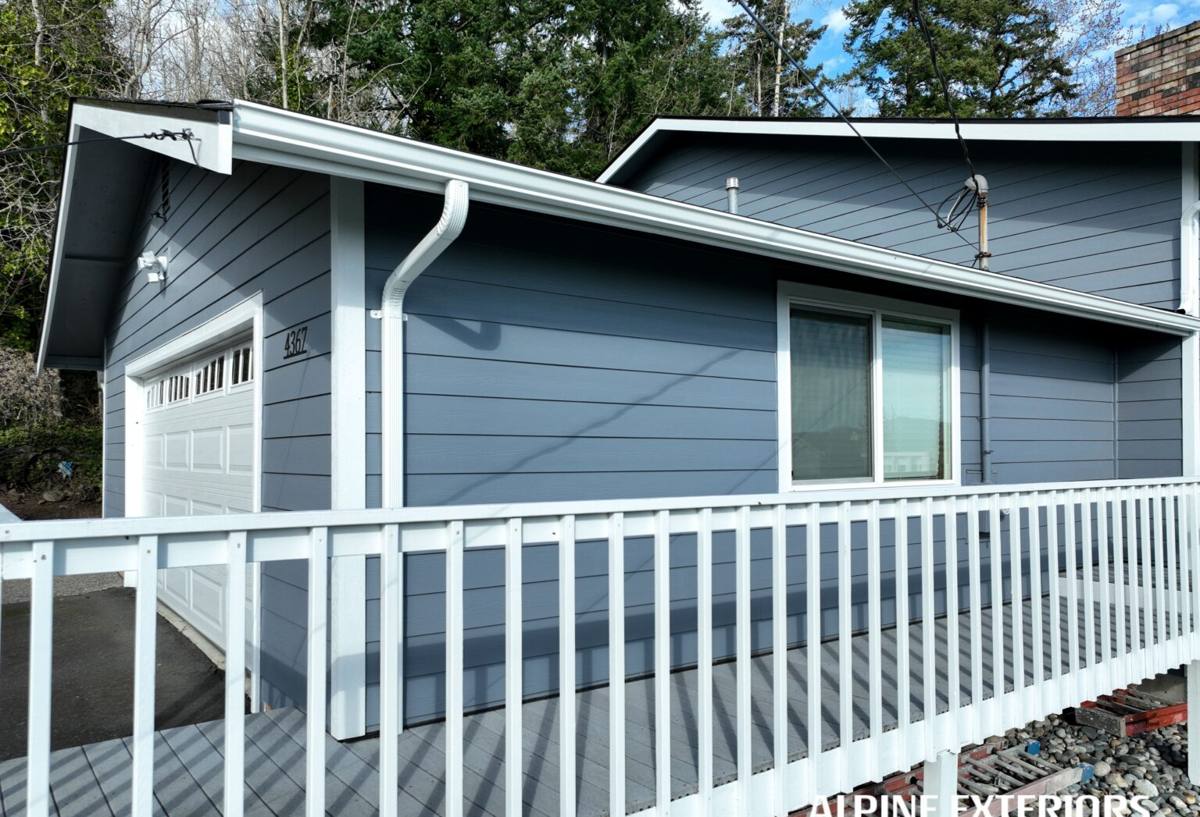
What Whatcom County's Climate Does to a Roof
Salt Air and Corrosion
Proximity to the bay means airborne salt settles on roofing materials year-round, not just during storms. Over time, salt exposure accelerates corrosion on exposed metal — flashing, fasteners, vent caps, and gutter hardware — well before the shingles or roofing membrane themselves are due for replacement. A roof repair that ignores corroding metal components and only addresses the visible shingle damage is a repair that will need to be redone within a year or two.
Driving Rain and Wind-Driven Water
Storms coming off the water in this part of Whatcom County don't just drop rain straight down — wind pushes it sideways and up under laps, flashing edges, and roof-to-wall transitions that were never designed to handle water moving in that direction. This is why so many "mystery leaks" in Fairhaven homes trace back to flashing details around chimneys, skylights, dormers, and where a roofline meets a wall, rather than to the field of the roof itself.
Moss and Organic Growth
Shade, moisture, and mild temperatures give moss a long growing season here. Moss doesn't just look bad — its root structure works into shingle granules and seams, and mats of moss and debris hold water against the roof surface far longer than the roof was designed to tolerate. Left unaddressed, moss growth is one of the most common root causes of premature shingle failure and hidden deck rot that we find when we open up a repair area.
Common Roof Repair Needs We See in Fairhaven
Every roof and every home is different, but the repair calls we get in this area tend to fall into a fairly consistent pattern:
- Damaged or lifted flashing around chimneys, skylights, and roof-to-wall transitions
- Granule loss and cracking on shingles from years of salt and UV exposure
- Moss and moisture damage along north-facing slopes and shaded valleys
- Soft or rotted decking discovered under a section that's been leaking slowly for a while
- Corroded nails, vent boots, and other metal components working loose
- Gutter and edge issues that push water back under the roofing material instead of off it
- Storm damage from wind-driven rain and debris after a bad system rolls through
What a Correct Repair Actually Involves
There's a real difference between a repair that covers up the visible problem and a repair that fixes the actual cause. In a climate like this one, that difference matters more than usual, because a rushed patch job tends to fail again within a season or two once the next round of driving rain finds its way back in.
| Quick Patch Approach | Proper Repair Approach |
|---|---|
| Seals the visible symptom (a crack, a gap, a stain) | Identifies why that spot failed and addresses the cause |
| Reuses existing flashing if it "looks okay" | Inspects flashing for corrosion and replaces where compromised |
| Covers moss with a topical treatment only | Removes moss, checks the deck underneath, and treats the cause |
| Matches materials loosely | Matches shingle type, color, and exposure for a durable, blended repair |
| Doesn't check attic ventilation or moisture | Checks for trapped moisture or ventilation issues driving the damage |
We'd rather spend an extra fifteen minutes on the roof confirming what's actually going on than come back out in eight months to fix the same leak again.
Our Roof Repair Process
- On-site inspection. We look at the damaged area and the roof as a whole — flashing, ventilation, moss coverage, and general condition — not just the spot you called about.
- Honest diagnosis. We explain what's actually causing the problem, in plain terms, and whether it's isolated or a sign of broader wear.
- Clear scope and estimate. You get a written explanation of what needs to be done and why, before any work starts.
- The repair itself. This includes removing and rebuilding the damaged area properly — deck, underlayment, flashing, and roofing material — not just layering new material over old damage.
- Cleanup and final check. We clear debris, check the surrounding area for related wear, and walk you through what was done.
Repair vs. Replacement — How We Help You Decide
Not every roof problem in Fairhaven needs a full replacement, and not every leak can be permanently solved with a patch. Part of an honest assessment is telling you which situation you're actually in.
| Signs a Repair Makes Sense | Signs Replacement Should Be Considered |
|---|---|
| Damage is isolated to one area or slope | Damage or moss coverage is spread across most of the roof |
| Shingles elsewhere are still flexible and holding granules | Widespread granule loss, curling, or brittle shingles |
| Decking underneath is sound once opened up | Repeated soft spots or rot found in multiple areas |
| Roof is well within its expected service life | Roof is near or past its expected lifespan for its material |
| Underlying flashing and ventilation are in decent shape | Flashing, ventilation, and roofing material are all aging together |
If a repair is clearly the right call, that's what we'll recommend. If we find that a repair would just be a short-term fix on a roof that's genuinely near the end of its useful life, we'll tell you that too, along with the reasoning behind it, so you can plan on your own timeline rather than being surprised later.
Materials and Methods for Marine Exposure
Given the salt air and moisture load in this part of Whatcom County, the small details in a repair matter more than they would further inland:
- We favor corrosion-resistant fasteners and flashing metals over standard-grade hardware for repairs in salt-exposed areas.
- Shingle products with algae-resistant granules hold up better against the moss and organic growth common on shaded, moisture-prone slopes.
- Underlayment choice matters — a repair area needs underlayment that handles the wind-driven rain patterns typical of storms coming off the bay, not just a standard felt layer.
- Ventilation is checked as part of the repair, since trapped moisture under the deck accelerates the same rot and corrosion the outside climate is already causing.
None of this is about upselling unnecessary upgrades — it's about matching the repair to the actual conditions the roof has to survive, so the work holds up instead of needing to be redone.
Why a Crew That Already Works in Fairhaven Matters
A roofer who mostly works dry, inland areas can still do competent work, but they're often seeing salt-corroded flashing or heavy moss buildup for the first time on your roof. A crew that regularly works Fairhaven and the surrounding Whatcom County coastline has already seen how these specific conditions play out over years — which flashing details tend to fail first, which slopes hold moss longest, and which shortcuts don't survive a normal winter here. That local pattern recognition is part of what keeps a repair from becoming a repeat visit.
It also means faster, more accurate assessments. We're not guessing at how the local climate affects roofing materials — we're working from what we've already seen on roofs like yours, in this same area, dealing with the same salt air, rain, and moss.
Maintenance That Extends the Life of a Repair
A well-done repair still benefits from basic upkeep, especially in this climate:
- Clear moss and debris from valleys and shaded slopes before it mats and holds moisture
- Keep gutters clear so water isn't backing up under roof edges
- Have flashing and metal components checked periodically for early corrosion
- Address small leaks or stains promptly rather than waiting for them to spread
None of this requires a maintenance contract or constant attention — just not letting small, cheap-to-fix issues sit through another wet season.
If you've got a leak, some damaged shingles, or a roof that just needs an honest set of eyes on it, we're happy to come take a look. Reach out for a free, no-pressure estimate using the form below — we'll tell you what we find and what we'd actually recommend, straight up.