 Glenhaven Siding
 Siding Replacement in Ferndale: Built for What This Climate Actually Does to a Wall
Ferndale homes take a specific kind of beating over the years. Salt-tinged air drifts in off the water, rain arrives sideways as often as it falls straight down, and shaded or north-facing walls can stay damp long enough to grow moss for most of the year. None of that is unusual for Whatcom County, but it does mean that siding installed without that reality in mind tends to age fast — and once the original siding starts failing, patch repairs only buy so much time. At some point the right answer for a Ferndale home isn't another repair, it's a full siding replacement done correctly the first time.
This page is specifically about that: full siding replacement for Ferndale properties, what it should involve, how we approach it, and why the details matter more here than they would in a milder, drier climate.
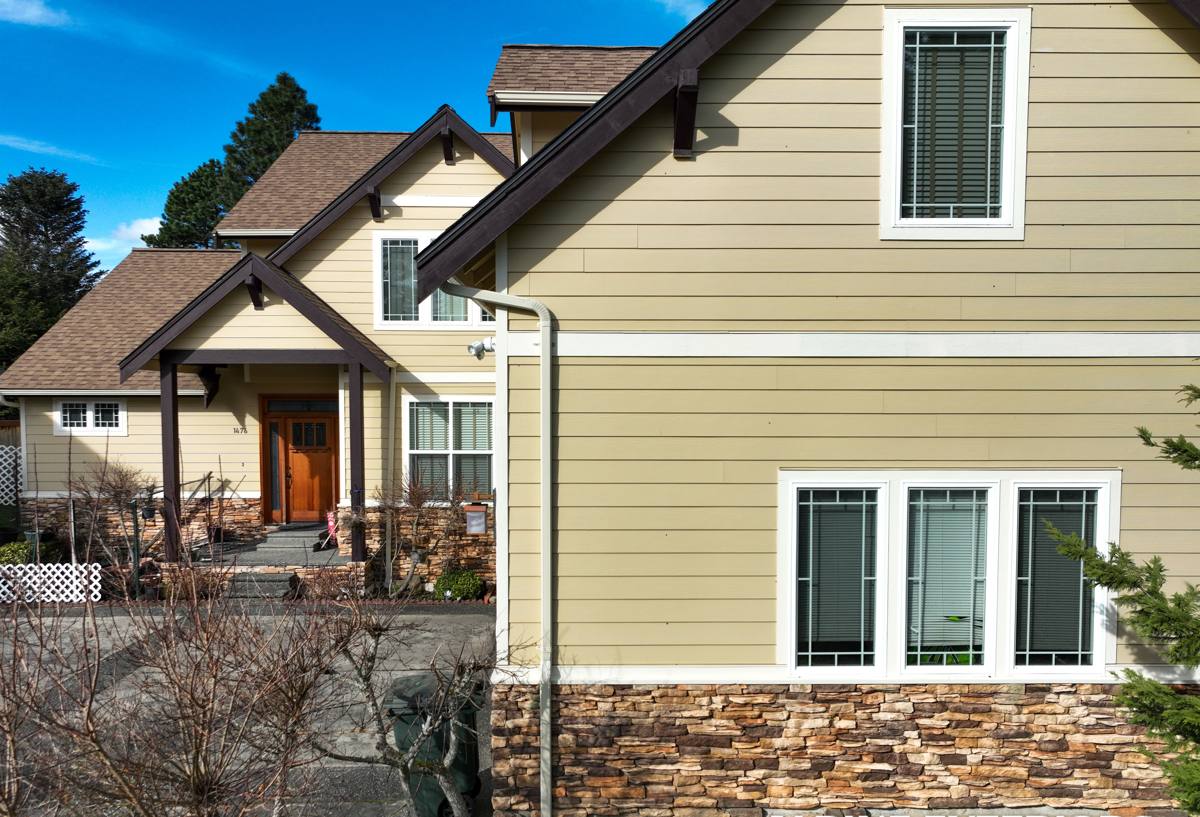
Signs Your Ferndale Home Is Ready for Full Replacement, Not Just Repair
Moisture Damage in the Sheathing or Trim
Soft or spongy spots near the base of walls, around window trim, or at butt joints usually mean water has already gotten past the siding and into the wall assembly. A single soft board can sometimes be cut out and replaced. Moisture damage showing up in multiple spots across the house is a different situation — it usually means the underlying weather barrier or flashing has been failing for a while, and patching the visible siding without addressing what's underneath just hides the problem for another season.
Warping, Cracking, or Panel Failure
Wood-based and engineered siding products that have absorbed repeated cycles of wet and dry over the years often start to bow, crack at the edges, or lose their factory finish in patches. Once a siding material starts failing this broadly, it's telling you it's reached the end of what it can handle, not that it needs a few boards swapped out.
Moss and Mildew That Keeps Coming Back
Some moss and mildew on exterior walls is normal in this part of Washington and doesn't by itself mean anything is wrong. But if you're pressure-washing or scrubbing the same walls every year and it comes right back within a few months, that's often a sign the siding material itself is porous or holding moisture against the substrate — which is exactly the kind of long-term moss exposure this area's climate produces on the wrong material.
Rising Heating Bills and Drafty Rooms
Old, failing siding rarely provides much of an air or moisture seal anymore, and gaps at seams and trim let conditioned air escape. If heating bills have crept up without an obvious cause, or certain rooms feel noticeably colder near exterior walls, aging siding and its underlying moisture barrier are worth a look alongside insulation and windows.
What a Correct Siding Replacement Job Involves
Full Tear-Off and Sheathing Inspection
A proper replacement starts by removing the existing siding down to the sheathing, not covering over it. This is the only way to actually see what's happening underneath — rot, insect damage, or a compromised weather-resistive barrier don't show up from the outside until they're serious. Skipping this step is how new siding ends up installed over old problems that keep getting worse behind the wall.
Weather-Resistive Barrier and Flashing Detail
Once the wall is exposed, the weather-resistive barrier goes on (or gets replaced if it's damaged or outdated), followed by careful flashing at every window, door, and horizontal trim transition. In a climate where rain regularly comes in sideways, flashing detail is one of the biggest factors separating a siding job that lasts decades from one that starts leaking again within a few years. This is detail work that's easy to rush and hard to inspect once the siding is back on, which is exactly why it deserves the most attention during a replacement.
Repairing the Substrate Before New Siding Goes On
Any rotted sheathing, damaged framing, or compromised trim found during tear-off gets repaired before anything new goes up. New siding installed over a damaged substrate is a short-term fix wearing a long-term finish — it looks right for a while, then fails again from the same underlying cause.
Full Tear-Off vs. Siding Overlay
Some contractors offer to install new siding directly over what's already on the wall, which costs less upfront but carries real trade-offs. Here's how the two approaches compare for a home in this climate:
| Factor | Full Tear-Off | Overlay |
|---|---|---|
| Moisture and rot check | Sheathing and framing are fully visible and inspected | Hidden problems stay hidden |
| Weather-resistive barrier | Installed or replaced fresh | Old barrier stays in place, if present at all |
| Fit and finish | New siding lies flat against the wall as designed | Wall thickness increases, affecting trim and window reveals |
| Long-term performance in wet climates | Best odds of a full service life | Higher risk of trapped moisture over time |
| Upfront cost | Higher | Lower |
Given how much driving rain and prolonged dampness this area sees, we recommend full tear-off on the large majority of Ferndale replacement jobs. Overlay can be defensible in narrow situations on a sound, dry wall, but we'll tell you plainly if we think it's the wrong call for your house rather than defaulting to the cheaper option.
Why We Replace Old Siding With James Hardie Fiber Cement Only
We install James Hardie fiber cement siding exclusively — no vinyl, no LP SmartSide, no primed spruce or cedar. That's not a brand loyalty thing; it's a standard built from watching how different materials actually perform once they've spent a few winters in this climate. Vinyl can warp, fade, or crack under sustained sun and cold-snap cycling and doesn't stand up well to the wind-driven rain this area sees. Wood and engineered-wood products need consistent maintenance to keep moisture out, and a missed year or two of upkeep is often enough to let rot start. Fiber cement doesn't share those weak points: it's non-combustible, holds its factory ColorPlus finish far longer under sun and rain, and Hardie's HZ5 product line is specifically engineered for regions with heavy moisture exposure and freeze-thaw cycling, which describes coastal Whatcom County well. On a replacement project especially, where the whole point is not to be back here in ten years dealing with the same failure, that durability is the entire reason to spend the money once.
Our Ferndale Siding Replacement Process
- Assessment and estimate. We walk the property, look at the current siding's condition, check for visible moisture or trim issues, and give you an honest read on whether repair, overlay, or full tear-off is the right call — along with a written estimate.
- Tear-off and inspection. Old siding comes off down to the sheathing so we can see exactly what condition the wall is actually in.
- Substrate repair. Any rot, damaged sheathing, or compromised framing gets fixed before anything new is installed.
- Weather-resistive barrier and flashing. Fresh barrier and carefully detailed flashing go in at every window, door, and trim transition.
- James Hardie installation. Siding, trim, and accessories go on to manufacturer spec, with attention to fastening, clearances, and caulking details that matter for long-term performance in this climate.
- Final walkthrough and cleanup. We review the finished work with you, answer questions about care and warranty, and clear the site of old material and debris.
What to Expect During Your Replacement
- A written scope of work that specifies tear-off vs. overlay, so there's no ambiguity about what you're paying for
- Photos or a direct walkthrough of any substrate damage found once the old siding is off, before repairs proceed
- Clear flashing and weather-barrier detailing at windows, doors, and trim, not just new panels over old problems
- A realistic project timeline that accounts for Whatcom County weather rather than an optimistic best-case schedule
- Daily site cleanup and protection of landscaping, walkways, and outdoor living spaces during the work
- An explanation of your James Hardie product warranty and what it does and doesn't cover
Why a Crew That Already Works Ferndale Matters
A crew that replaces siding across Whatcom County year-round has already seen how salt air, sideways rain, and a long moss season play out on real houses, not just on a manufacturer's spec sheet. That shapes real decisions on a replacement job: which wall orientations tend to hold moisture longest, where flashing needs extra attention, and which shortcuts that might pass unnoticed in a drier climate simply don't hold up here. Ferndale's mix of open, lower-lying terrain and proximity to the water also means some homes see more direct wind exposure than you'd find further inland in the county, and that's the kind of property-specific detail that's easy to miss without local experience.
Get a Free, No-Pressure Estimate
If your Ferndale home's siding is showing moisture damage, chronic moss, warping, or is simply old enough that repairs no longer make sense, we're glad to take an honest look and tell you what we actually see. Use the form below to schedule a free estimate — no pressure, no upsell script.