 Glenhaven Siding
 Roofing in Geneva: Built for Whatcom County's Wet, Salt-Laden Air
A roof in the Geneva area of Glenhaven works harder than a roof almost anywhere inland. You've got salt-tinged air rolling off nearby water, driving rain that comes in sideways during winter storms, and a moss season that runs long enough to do real damage if a roof isn't built and finished correctly. None of that means a roof here needs to be exotic or expensive — it means the details have to be right, because in this climate the details are exactly what fails first.
When we install a new roof for a Geneva homeowner, we're not just laying material down and moving on. We're thinking about how that roof will perform in its fifth winter, its tenth, and its twentieth — after hundreds of freeze-thaw cycles, hundreds of wind-driven rain events, and years of moss trying to get a foothold in every shaded valley and north-facing slope. That's the standard we hold ourselves to on every job.
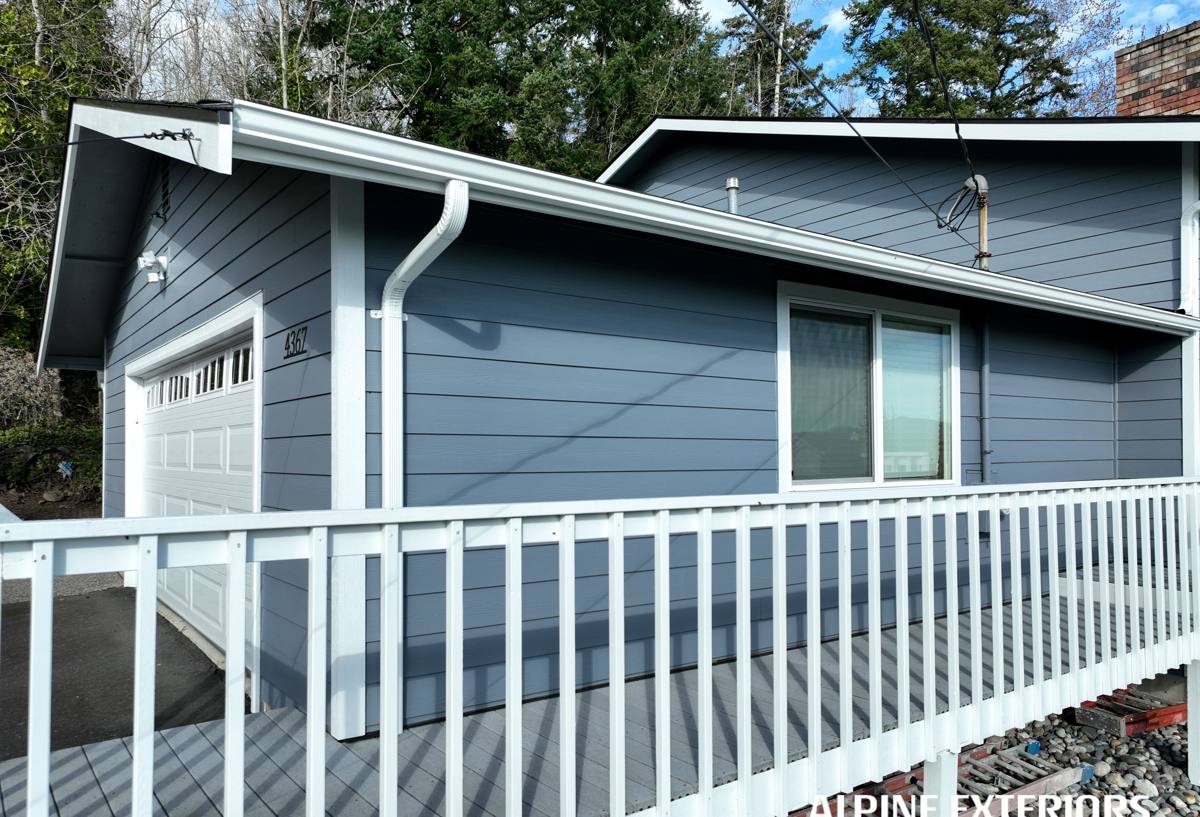
What a Correct New Roof Installation Actually Involves
"New roof" sounds simple, but a correct installation is really a stack of individually correct decisions, each one invisible once the shingles or panels go down. Skip or rush any one of them and the roof looks fine for a year or two before the real cost shows up.
Tearing Off the Old Roof and Inspecting the Deck
We remove the existing roofing down to bare decking rather than layering over it. That's the only way to actually see what's underneath — soft spots from long-term moisture intrusion, rot around old flashing penetrations, or delamination that's common in decking that's sat under a failing roof for years in a wet climate. Any compromised sheathing gets replaced before anything new goes on. Roofing over a bad deck just hides the problem under a new roof.
Moisture Barrier and Underlayment
This layer matters more here than almost anywhere else in the state, because it's the backup system for when wind-driven rain gets past the roof covering itself — which happens during a hard Pacific storm even on a well-installed roof. We use a full synthetic underlayment across the whole roof, with self-adhered ice-and-water membrane at the vulnerable points: eaves, valleys, roof-to-wall transitions, and around every penetration. That membrane is what keeps a wind-driven rain event from turning into a ceiling stain.
Flashing Is Where Roofs Actually Fail
Most roof leaks aren't failures of the shingles or panels themselves — they're failures at the flashing: chimneys, skylights, sidewalls, valleys, and vent penetrations. We custom-fit and properly step or counter-flash every one of these details rather than relying on caulk or pre-formed pieces that don't match the actual roof geometry. Caulk is a maintenance item, not a waterproofing strategy, and we don't build a roof that depends on it holding up for twenty years.
Attic and Roof Ventilation
A roof that traps moist air underneath it will fail from the inside, especially in a climate with as much ambient humidity as Whatcom County has. Balanced intake and exhaust ventilation keeps the underside of the deck dry, controls attic temperature swings, and helps prevent the kind of condensation that rots sheathing from below — a failure mode a lot of homeowners never see coming because it doesn't show up as a visible leak.
Roofing Material Options for Geneva Homes
There's no single "correct" roofing material for every Geneva home — the right choice depends on your roof's pitch, sun and shade exposure, your budget, and how much long-term maintenance you're willing to take on. Here's how the common options stack up for this specific climate:
| Material | Moss & moisture resistance | Wind-driven rain performance | Typical lifespan | Maintenance |
|---|---|---|---|---|
| Architectural asphalt shingle | Good with algae-resistant granules; needs periodic cleaning | Very good when properly nailed and flashed | 25-30 years | Low to moderate |
| Standing seam metal | Excellent — moss struggles to grip smooth panel seams | Excellent; sheds water fast off steep runs | 40-50+ years | Low |
| 3-tab asphalt shingle | Fair; more prone to moss in shaded areas | Fair; lighter profile is more wind-sensitive | 15-20 years | Moderate |
| Cedar shake | Poor without diligent upkeep in this climate | Good when installed correctly | 20-30 years with maintenance | High |
For most Geneva homes, we steer people toward architectural (dimensional) asphalt shingle or standing seam metal. Architectural shingle gives you a strong balance of cost, appearance, and durability. Standing seam metal costs more up front but largely takes moss and long-term maintenance off your plate — its smooth, continuous surface simply doesn't give moss spores the texture they need to establish. We're honest about cedar shake in this specific climate: it can look great, but it demands a maintenance commitment — regular treatment and cleaning — that a lot of homeowners underestimate when salt air and a long wet season are working against it year-round.
Our Installation Process
- On-site assessment. We inspect your existing roof, decking condition (where visible), ventilation setup, and any known trouble spots before quoting anything.
- Material selection. We walk through the options above in the context of your home's pitch, exposure, and budget — no pressure toward the most expensive option.
- Written estimate. A clear, itemized scope of work so you know exactly what's included before anything is scheduled.
- Tear-off and deck inspection. Full removal of the old roofing, with any compromised sheathing identified and replaced.
- Underlayment, flashing, and ventilation installed. The layers that determine whether the roof actually performs, not just looks finished.
- New roofing installed to manufacturer specification. Correct fastening patterns and exposure are what preserve your material warranty — shortcuts here are often what void it.
- Final walk-through and cleanup. We review the completed roof with you and make sure the property is cleared of debris and nails.
Signs Your Geneva Roof Needs Replacing, Not Just Repair
Not every roofing issue means a full replacement — but here are the signs that usually do:
- Granule loss heavy enough that shingles look patchy or bald in sun-exposed sections
- Shingles that are curling, cupping, or cracking across multiple areas of the roof, not just one spot
- Moss or algae growth that keeps returning within months of cleaning
- Soft or spongy spots when walking the roof, suggesting deck damage underneath
- Daylight visible through the roof deck from inside the attic
- Repeated leaks around the same flashing points despite prior repairs
- A roof that's at or past the manufacturer's expected service life for its material
- Visible sagging along the roofline, which can indicate structural moisture damage
If you're only seeing one or two of these and your roof is otherwise mid-life, a targeted repair may be the more honest answer — we'll tell you that if it's true.
Moss, Algae, and Salt Air: Ongoing Roof Care After Installation
A correctly installed roof in Geneva still lives in a moss-favorable climate, so a bit of ongoing care goes a long way. Keep overhanging branches trimmed back so shaded, damp sections of roof get more sun and airflow. Have gutters cleared regularly — clogged gutters hold moisture against the roof edge, which is exactly where moss likes to start. If you're near enough to open water to notice salt on windows or metal hardware, ask about corrosion-resistant fasteners and flashing when we scope your job; it's a small upfront decision that pays off over the life of the roof. None of this is about babying the roof — it's basic upkeep that any roof in this part of Washington benefits from.
Why Hire a Crew That Already Works in Geneva
Roofing crews that mostly work drier, inland climates tend to under-detail the parts of a roof that matter most here — underlayment coverage, flashing at wall transitions, and ventilation balance. A crew that regularly works Geneva and the surrounding Glenhaven area already knows which roof details take the worst beating from driving rain and which shaded slopes need extra attention against moss. That's not a marketing point — it shows up directly in how few callbacks a roof needs five and ten years down the line. We also know the practical side of working in this area: typical weather windows for scheduling tear-offs, and how to sequence a job so your home isn't exposed to open sky longer than necessary during an unpredictable stretch of weather.
Permits and What to Expect
Most full roof replacements require a permit — we handle that process as part of the job so you don't have to navigate it yourself. Timeline for a typical residential roof replacement runs a few days for the roofing work itself, though total project time depends on roof size, complexity, and weather windows, since we won't install roofing materials in active rain. We'll give you a realistic schedule estimate up front, including how weather delays would be handled, so there are no surprises once work begins.
If your roof in Geneva is showing its age, or you just want an honest read on whether repair or replacement makes more sense, we're happy to take a look. Reach out for a free, no-pressure estimate using the form below.