 Glenhaven Siding
 Silver Beach Homes Take a Different Kind of Beating
Silver Beach sits close enough to the water that homes here deal with a combination of stresses that inland properties in Glenhaven rarely see all at once: salt-laden air, wind-driven rain that hits siding sideways instead of straight down, and long stretches of the year when shaded, damp walls barely get a chance to dry out before the next system rolls through. Any one of those on its own is manageable. Together, over years, they expose weak siding choices fast.
We install exclusively James Hardie fiber cement siding, and a big part of why is jobs like the ones we see around Silver Beach. This page walks through what the local climate actually does to siding, what a correct Hardie installation looks like on a property like this, and why working with a crew that already knows this stretch of Whatcom County matters more than it might seem.
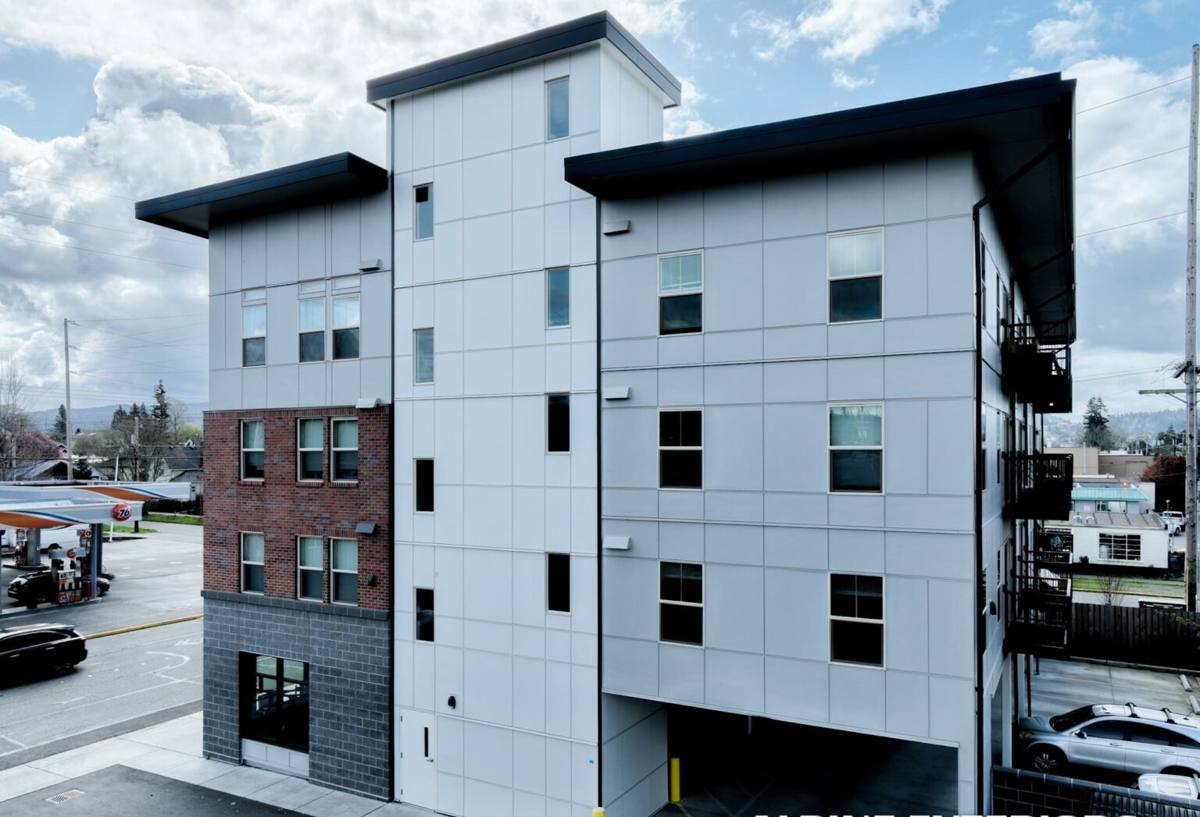
What Salt Air, Rain, and Moss Actually Do to a Home
Salt Air
Airborne salt doesn't just sit on the surface — it works into fasteners, trim seams, and any exposed cut edge that wasn't properly sealed. Over time it accelerates corrosion in the wrong hardware and can leave a dull, chalky residue on finishes that weren't built to handle it. Siding material and fastener choice both matter here, not just the visible product.
Driving Rain
Wind off the water pushes rain into laps, seams, and penetrations that would stay dry in a calmer setting. This is where installation detail — not the siding brand — decides whether a home stays dry. A great product installed with sloppy flashing will still leak. A well-detailed installation is what actually keeps water out.
Moss Season
Shaded lots near the water, tree cover, and long damp stretches of Pacific Northwest weather give moss and algae months at a time to establish themselves, especially on north-facing walls and anywhere airflow is blocked. Moss holds moisture against the surface it's growing on, which is a problem for any siding material that isn't built to shrug off sustained dampness.
Why We Standardized on James Hardie
We made a deliberate call years ago to stop installing vinyl, LP SmartSide, Cemplank, Allura, and primed spruce or cedar siding, and to install James Hardie fiber cement exclusively. That wasn't a marketing decision — it came out of seeing which products actually held up in conditions like Silver Beach's over the long run.
Vinyl expands and contracts with temperature swings and can warp or fade under UV exposure over time; it's also a poor match for a coastal wind profile since it relies on loose-fit installation that isn't designed to be fully sealed against driving rain. Engineered wood products like LP SmartSide perform well when kept dry, but their strand-based core is vulnerable at cut edges and joints if moisture gets in and isn't caught early — a real risk in a climate that doesn't give siding much time to dry. Primed spruce and cedar are beautiful materials, but raw wood in a damp, shaded, salt-exposed environment demands a maintenance schedule most homeowners don't sign up for: recoating, caulking, and moisture monitoring on a recurring basis.
James Hardie fiber cement is non-combustible, doesn't rot, and comes with a factory-applied ColorPlus finish baked on rather than field-painted, which holds color and resists the kind of moisture-driven staining that shows up fastest on shaded, damp walls. It's engineered specifically for regional climate demands through Hardie's HZ product system, and it carries a strong transferable warranty when installed to Hardie's published specifications. That last part — installed to spec — is the whole game, and it's where the next section matters.
The Right Hardie System for This Kind of Site
James Hardie engineers its siding for different climate zones under its HZ system, with formulations suited to wetter, colder regions like ours versus hot, humid ones. For a Silver Beach property, that means selecting the panel and trim combination engineered for sustained moisture and coastal exposure, not just whatever's cheapest to source. It also means using the fastener types Hardie specifies for coastal and high-moisture applications — corrosion-resistant fasteners matter here in a way they wouldn't three miles inland, precisely because of the salt air.
Color selection plays a role too. ColorPlus finishes are engineered to resist fading and hold up against moisture and mildew better than a standard field-applied paint job, which is worth factoring in for a home that's going to spend a lot of the year in shade and damp air.
What Correct Installation Involves Near the Water
The product is only half the equation. We've seen good siding fail early because of installation shortcuts that don't show up until the second or third wet season. On a Silver Beach home, the details that matter most include:
- A proper weather-resistive barrier behind the siding, installed with correct lapping so water is directed out and down, not trapped
- Flashing at every window, door, and roof-to-wall intersection, including kickout flashing where a roofline meets a sidewall — one of the most common places we find hidden water damage on older homes
- Correct fastener type, spacing, and penetration depth per Hardie's installation requirements, using corrosion-resistant fasteners appropriate for a coastal environment
- Proper clearance between the bottom of the siding and grade, decks, roofs, and walkways, so moisture and moss don't have a permanent foothold at the base of the wall
- Sealed, caulked joints at trim and penetrations, using products compatible with fiber cement and rated for exterior exposure
- Panel gaps sized correctly to allow for material movement without leaving open paths for wind-driven rain
Skip any one of these and you can end up with a home that looks right for a year or two before problems start showing up behind the surface, where they're much more expensive to fix.
Keeping Moss and Algae From Taking Hold
No siding material is moss-proof if it's kept wet long enough, but some materials give moss and algae a lot less to work with. Hardie's factory finish is more resistant to the kind of surface staining that raw or field-painted wood picks up quickly in a shaded, damp setting. Beyond the material itself, a few practical habits go a long way on a property like this:
- Keep gutters clear so water isn't sheeting down walls it wasn't meant to run across
- Trim back vegetation that's shading walls and blocking airflow, especially on north-facing sides
- Rinse siding periodically with a garden hose and soft brush rather than a pressure washer, which can force water behind laps and trim
- Address any moss or algae growth early with a gentle, siding-safe cleaner rather than letting it establish
None of this replaces correct installation — it's maintenance on top of a system that was already detailed to handle the climate, not a substitute for it.
Comparing Siding Materials for a Site Like This
| Material | Salt Air / Moisture Behavior | Moss & Algae Resistance | Maintenance Burden |
|---|---|---|---|
| James Hardie Fiber Cement | Non-combustible, engineered for wet climates, factory finish resists moisture staining | Strong when installed with proper drainage and clearance | Low — periodic gentle cleaning |
| Vinyl | Loose-fit installation can let wind-driven rain behind panels; can warp with heat/cold cycling | Moderate; can trap moisture at laps | Low, but limited repairability if damaged |
| LP SmartSide (Engineered Wood) | Performs well dry, but strand-based core is vulnerable if cut edges or joints take on moisture | Moderate; depends heavily on maintained caulking and coating | Moderate — coating and joint monitoring |
| Primed Spruce / Cedar | Natural wood absorbs moisture without diligent coating upkeep | Lower without frequent maintenance in shaded, damp spots | High — recoating, caulking, moisture checks |
This is a general comparison, not a claim that every installation of every product fails — installation quality changes outcomes for any material. It's simply why, for a climate like Whatcom County's, we chose to specialize in one system rather than install several.
How We Approach a Silver Beach Project
- Assessment: We look at exposure — which walls take the worst wind-driven rain, where shade and moisture linger longest, and where existing siding shows signs of moss, staining, or hidden water damage.
- Product and color selection: We match the Hardie panel profile, HZ formulation, and ColorPlus finish to the site's actual exposure, not a generic default.
- Prep and detailing plan: Flashing, weather barrier, and fastener specifications are set before install day, not improvised on site.
- Installation: Panels, trim, and flashing go in to Hardie's published specifications, with attention to the high-risk points — penetrations, roof-to-wall intersections, and base clearance.
- Final walkthrough: We review the completed work with the homeowner and confirm drainage paths, clearances, and finish quality before calling the job done.
Why Local Experience Matters More Than It Sounds Like It Should
A crew that already works around Silver Beach has usually already seen which walls on which orientations take the worst of the weather, which older homes in the area tend to have hidden flashing problems, and how local shade and drainage patterns affect where moss shows up first. That's the kind of knowledge that doesn't come from a product manual — it comes from doing the work in this specific stretch of Glenhaven, season after season. It also tends to mean a smoother permitting and inspection process, since the crew already understands what local jurisdictions expect.
Questions Worth Asking Before You Hire
- Do you install to James Hardie's published fastening and flashing specifications, or a generic standard?
- What fastener type do you use, and is it rated for coastal or high-salt exposure?
- How do you handle kickout flashing and roof-to-wall transitions?
- Can you explain why you'd choose one Hardie panel or HZ formulation over another for this specific property?
- What's your plan for grade clearance and drainage at the base of the walls?
A contractor who can answer these clearly, specifically, and without hesitation is one who's actually done the work — not just sold the product.
If your Silver Beach home is due for new siding, or you're seeing early signs of moss, staining, or moisture damage, we're happy to take a look and walk you through what we'd recommend. Use the form below to request a free, no-pressure estimate.