 Glenhaven Siding
 Custom Decks for Lake Whatcom, Built by a Crew That Works This Shoreline
Lake Whatcom sits in a pocket of Whatcom County where the terrain, the tree cover, and the lake itself all combine to create conditions that are noticeably harder on outdoor structures than a typical suburban lot. Homes here range from older cabins converted to full-time residences to newer builds on steep, wooded parcels, and nearly all of them share the same challenge: a deck built without this specific environment in mind starts showing problems within a few seasons. We build custom decks for Lake Whatcom property owners with that reality built into every decision, from the footings up.
This page covers what we build, why we build it that way, and what you should expect if you're planning a new deck, a rebuild, or a repair on a Lake Whatcom property. It's specific to this service and this area — not a generic overview of decks in general.
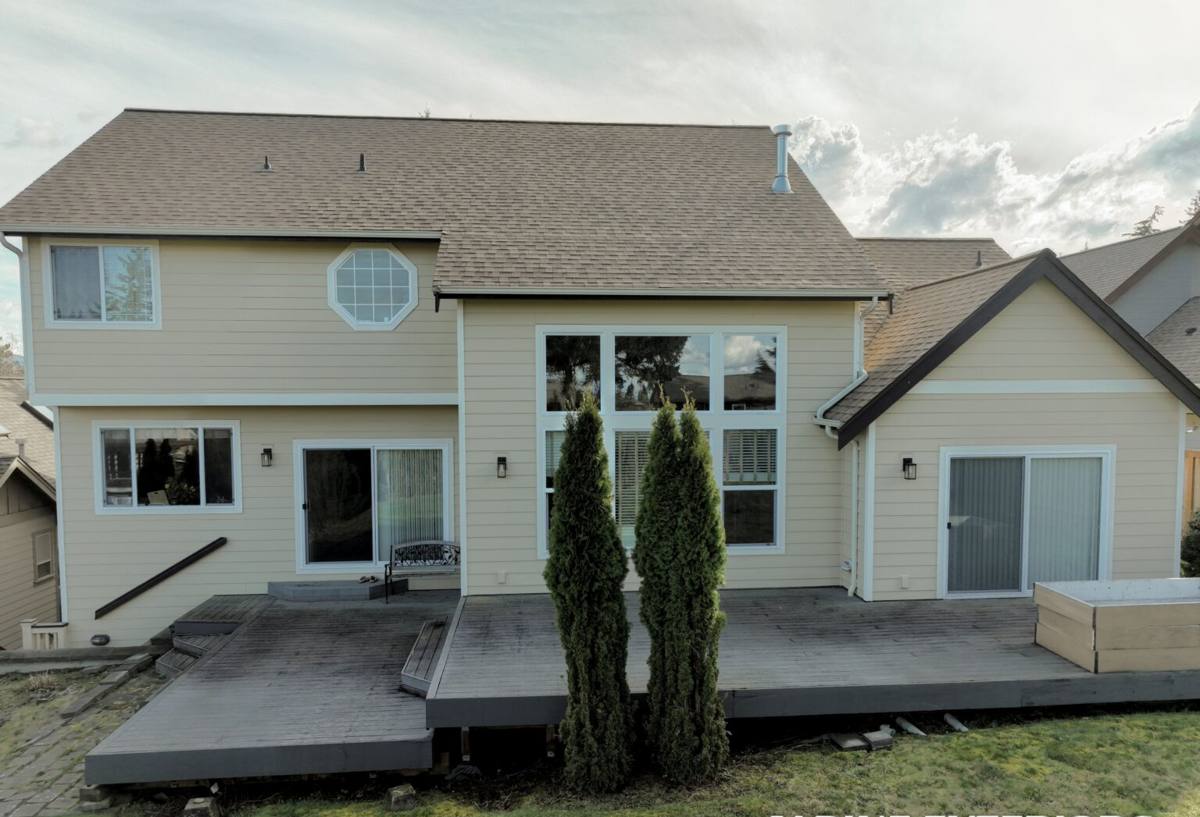
What the Lake Whatcom Environment Actually Does to a Deck
Whatcom County sits under a marine-influenced climate, and that moist air moving in off the Sound and Bellingham Bay reaches inland into the Lake Whatcom basin, where it combines with heavy tree canopy, lake-effect humidity, and long stretches of overcast, rainy weather. The result is a microclimate that stays damp far longer through the year than drier parts of the county.
A few specific things happen to decks around the lake because of this:
- Moss and algae growth — shaded, north-facing decks under tree cover can develop a moss layer within a single wet season if the surface isn't ventilated and doesn't drain well. Moss holds moisture against the wood and turns walking surfaces slick.
- Slow-drying wood — driving rain followed by long humid stretches means horizontal surfaces (deck boards, rail caps, stair treads) often don't fully dry out between storms during fall, winter, and spring.
- Fastener and connector corrosion — the combination of moisture and lake-basin humidity accelerates rust on undersized or incorrectly rated hardware faster than in drier inland areas.
- Ground moisture at footings — many Lake Whatcom lots have poor natural drainage or sit on slopes where water sheets toward the structure, which matters a great deal for how footings and posts are set.
None of this means a deck can't hold up around Lake Whatcom for decades. It means the design and material choices have to account for these conditions from the start, rather than treating this like a dry-climate build.
Choosing Decking Material for a Lake Whatcom Site
There's no single "best" decking material for every lot on the lake — the right choice depends on sun exposure, tree cover, budget, and how much upkeep you actually want to do. Here's how the common options compare specifically under Lake Whatcom conditions:
| Material | Moss/moisture resistance | Maintenance | Typical lifespan here |
|---|---|---|---|
| Pressure-treated fir/hem-fir | Moderate — needs sealing to perform well | Annual cleaning, periodic re-sealing | 15–20 years with upkeep |
| Cedar | Good natural resistance, but greys and softens under constant damp shade | Regular cleaning, occasional oil/stain | 15–25 years |
| Composite (capped) | Very good — non-porous surface resists moss staining and doesn't absorb water | Periodic washing, no sealing/staining | 25–30+ years |
| Composite (uncapped/older style) | Weaker — some older composites are more prone to surface mold in constant shade | More frequent cleaning | Varies widely |
On heavily shaded lots close to the water, we lean toward capped composite or well-sealed cedar because they handle sustained moisture without the moss taking hold as quickly. On sunnier, more open lots, pressure-treated framing with a quality wood decking surface is often the more cost-effective, and perfectly durable, choice. We'll walk the specific site with you before recommending a material — sun exposure on a Lake Whatcom lot can vary a lot from one side of a house to the other.
Framing and Substructure Materials
Whatever decking surface you choose, the framing underneath matters just as much for longevity. We use pressure-treated lumber rated for ground contact where posts and beams are near or in soil, and we pair it with corrosion-resistant fasteners and structural connectors rated for the moisture exposure this area sees — not standard interior-grade hardware, which will rust prematurely here.
What a Properly Built Deck Involves at Lake Whatcom
A deck that's going to hold up in this environment isn't just about the boards on top. The parts you don't see are what determine whether it lasts:
Footings and Posts
Footings need to be sized and set below frost depth and, just as important on lake-adjacent lots, positioned and drained so standing water doesn't pool against the post base. On sloped or poorly draining lots — common around the lake — we sometimes adjust footing placement or add drainage gravel specifically to keep water moving away from the post rather than sitting against it.
Ledger Attachment and Flashing
Where a deck attaches to the house, correct flashing is non-negotiable in a climate this wet. A poorly flashed ledger board is one of the most common ways water gets behind siding and causes hidden rot — a problem that can go unnoticed for years in a shaded, damp spot before it shows up as a soft wall or a sagging deck attachment.
Joist Spacing and Ventilation
Tighter joist spacing than the manufacturer minimum, along with proper airflow underneath the deck, helps everything dry out faster between rain events. On low-clearance decks close to grade, we pay particular attention to this because poor underside ventilation is a major driver of the moss and mildew problems we see on older Lake Whatcom decks.
Board Gapping and Drainage
Correct gapping between deck boards lets water shed through instead of sitting on the surface. On decks with more shade, we sometimes increase gapping slightly beyond the bare minimum specifically to help the surface dry faster.
Our Process, Start to Finish
- On-site walk and assessment — we look at sun exposure, drainage, tree cover, and existing structure (if it's a rebuild) before recommending materials.
- Design and material selection — sized to how you'll actually use the space, with material recommendations matched to that specific lot's shade and moisture exposure.
- Permitting — we handle the permit process for the jurisdiction your property falls under. Because Lake Whatcom is the primary drinking water reservoir for the Bellingham area, projects near the shoreline can involve additional review around erosion control and runoff — we account for that in scheduling so it doesn't catch you off guard.
- Site protection and demolition (if replacing an existing deck) — removing old structure without damaging landscaping or the house.
- Framing and footings — built to the specifications above, inspected before decking goes down.
- Decking, rail, and stair installation — using the fasteners and gapping approach suited to the site's exposure.
- Final walkthrough — we go over care and maintenance specific to your deck's material and sun exposure before we consider the job done.
Realistic Maintenance for a Lake Whatcom Deck
Every deck needs some upkeep, but what's "normal" around Lake Whatcom looks different than it does in a drier part of the state. A maintenance routine that ignores the moss and moisture reality here will let a good deck age faster than it should.
- Sweep debris (needles, leaves, moss spores) off the surface regularly, especially in fall and winter — trapped organic material is what feeds moss growth.
- Wash the deck surface at least once or twice a year with a deck-safe cleaner to interrupt moss and algae before it establishes.
- Check the ledger flashing area annually for any signs of water staining on the siding above or below the attachment point.
- Re-seal or re-stain wood decking on the schedule appropriate for the product — typically every 1–3 years depending on sun exposure and product quality.
- Keep gutters and downspouts near the deck clear so roof runoff isn't dumping extra water onto or near the structure.
- Trim back overhanging branches where possible to reduce shade, debris, and the time the surface stays wet after rain.
Common Problems We See on Existing Lake Whatcom Decks
When we're called out to repair or replace a deck around the lake, a handful of issues show up again and again:
- Moss buildup thick enough to hold moisture against the boards year-round, accelerating rot underneath a surface that still looks okay from a distance.
- Rusted, undersized fasteners and joist hangers that were never rated for this level of sustained moisture exposure.
- Soft or rotted framing at the ledger connection from flashing that was missing or improperly installed at the original build.
- Footings that were set too shallow or in a spot where water pools against the post base.
- Decking with insufficient gap spacing, which traps standing water on the surface after every rain.
Most of these are preventable with correct original construction — which is the whole reason material and framing choices matter as much as they do here.
Why Hiring a Crew That Already Works Lake Whatcom Matters
A contractor who mainly builds in drier, sunnier parts of the region can still build a structurally sound deck — but they may not default to the drainage detailing, hardware selection, or gapping adjustments that this specific environment rewards. We work regularly in and around Glenhaven and the Lake Whatcom basin, so shaded, damp lots with imperfect drainage aren't an edge case for us — they're the normal job. That shows up in smaller decisions throughout a build: where we route water away from footings, how much airflow we build in underneath a low-clearance deck, and which fastener grade we default to instead of treating as an upgrade.
It also matters for permitting. Because of the lake's role as a drinking water source, projects near the shoreline can carry additional scrutiny around erosion and stormwater — knowing that going in keeps a project on schedule instead of stalling out mid-build.
Cost Factors for a Lake Whatcom Deck Project
Every deck is priced around its specific size, material, and site conditions, so we won't quote a number without seeing the lot — but these are the main factors that move the price up or down on a Lake Whatcom build:
| Factor | Effect on cost |
|---|---|
| Decking material (treated wood vs. cedar vs. composite) | Composite typically costs more up front, less over time in maintenance |
| Site slope and access | Steeper, harder-to-access lots (common near the lake) increase labor and footing complexity |
| Height off grade | Taller decks require more substructure, railing, and often stairs |
| Drainage conditions | Poor natural drainage may require added footing prep or grading work |
| Permitting complexity | Shoreline-adjacent lots may involve additional review steps |
If you're planning a new deck, a rebuild, or want an honest assessment of whether an existing deck around Lake Whatcom needs repair or replacement, we're glad to come take a look. Estimates are free and there's no pressure to move forward — you'll get a straight answer about what your specific lot needs and what it will cost to do it right.