 Glenhaven Siding
 Roofing Built for Life Around Lake Whatcom
Homes around Lake Whatcom sit under heavy tree canopy, on sloped lots, and in a climate that stays damp for most of the year. That combination is hard on a roof in ways that flatter, more open properties elsewhere in Whatcom County don't experience to the same degree. Shade from fir and cedar keeps roof surfaces from drying out between rain events, driving rain off the lake and surrounding hills finds every weak seam, and the region's long wet season gives moss and moisture months at a time to work into a roof system rather than days. A new roof installed here has to be built for that reality from the deck up, not just installed to code and left to figure it out.
We install roofs throughout Glenhaven and the Lake Whatcom area, and the specifications we use reflect what actually holds up on this lake — not a generic install spec pulled from a drier climate.
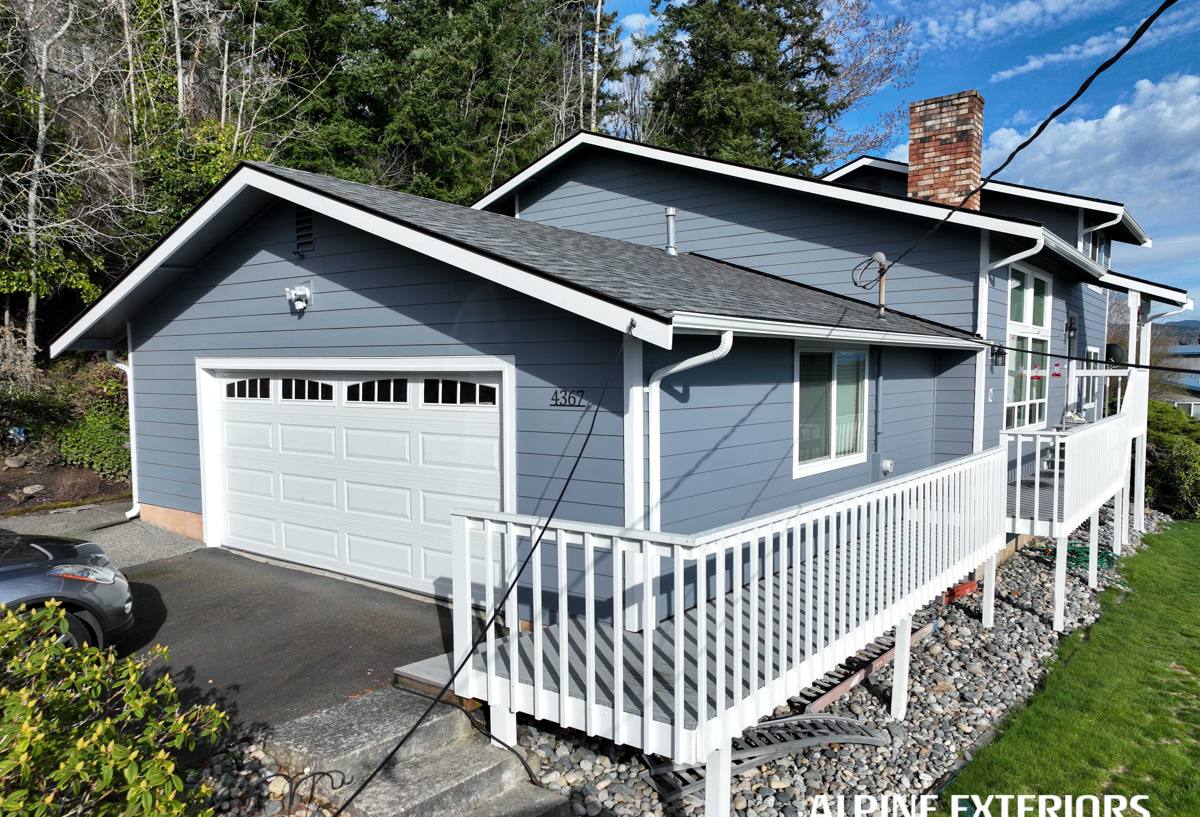
Signs a Lake Whatcom Roof Needs Replacement, Not Another Repair
Repair makes sense for isolated damage. Replacement becomes the honest recommendation once the roof's underlying materials — decking, underlayment, flashing — are compromised broadly enough that patching one area just shifts the problem to the next. Common signs we see on lakefront and shaded properties include:
- Granule loss heavy enough to show bare, shiny patches on shingles, especially on north-facing slopes that stay shaded most of the day
- Moss or algae established at the shingle base, not just on the surface — a sign moisture is being held against the roof rather than shedding off
- Soft spots or sagging when walked, which usually means the decking underneath has taken on water
- Repeated leaks around the same valley, chimney, or vent boot despite prior patch work
- A roof approaching or past its expected service life, particularly if the original installation used minimal underlayment or ventilation
If only one or two of these apply and the roof is otherwise sound, repair is usually the right call and we'll say so. We don't sell full replacements to homeowners who don't need one yet.
What a Correct New Roof Installation Actually Involves
Tear-Off and Deck Inspection
A proper installation starts with removing the old roofing down to the deck, not layering over it. That's the only way to find rot, soft plywood, or damaged sheathing hiding underneath — problems that are common on older lake homes where moisture has been working its way in slowly for years. Any damaged decking gets replaced before anything new goes down; installing a new roof over a compromised deck just guarantees an early failure.
Underlayment and Water Protection
Given how much rain this area sees, underlayment isn't a place to cut corners. We use synthetic underlayment across the full roof and self-adhered ice-and-water barrier at the eaves, valleys, and any low-slope transitions — the spots where wind-driven rain and ice most commonly force water backward under shingles.
Flashing
Flashing around chimneys, skylights, sidewalls, and roof-to-wall intersections is where the majority of leaks on older roofs actually originate — not the field shingles themselves. We install new flashing with every new roof rather than reusing old pieces, since flashing is inexpensive relative to the cost of a leak it fails to stop.
Ventilation
Balanced intake and exhaust ventilation keeps the attic temperature and moisture level in check, which matters a great deal under the heavy shade common around Lake Whatcom. Without it, trapped moisture condenses against the underside of the deck and shortens the life of the roof from the inside out — regardless of how good the shingles on top are.
Moss and Shade: The Defining Factor for Lake Whatcom Roofs
Moss is the single biggest maintenance issue we see on roofs around the lake, and it's a direct result of the tree cover that makes this area what it is. Moss holds moisture against the roof surface, works into shingle laps, and over time lifts material enough to let water underneath. A new roof installation is the right moment to get ahead of it:
- We install zinc or copper strips near the ridge on shaded roofs, which release trace metal ions with every rain and inhibit moss and algae growth over the life of the roof
- We select shingle products with algae-resistant granules where the client wants that added protection
- We keep valleys and low-slope areas clear of debris-catching details that give moss a foothold
None of this eliminates the need for periodic roof cleaning on a heavily shaded lot — nothing does — but it meaningfully extends the time between cleanings and reduces how aggressive that maintenance needs to be.
Choosing the Right Roofing Material for This Climate
There's no single "best" roofing material — the right choice depends on the home's slope, shade exposure, budget, and how the owner wants to handle long-term maintenance. Here's how the common options compare for a Lake Whatcom property:
| Material | Moss/Moisture Performance | Typical Lifespan | Maintenance |
|---|---|---|---|
| Architectural asphalt shingles | Good with proper underlayment and zinc/copper strips | 25–30 years | Periodic moss removal on shaded slopes |
| Standing seam metal | Excellent — sheds water and resists moss buildup on its smooth surface | 40–50+ years | Low; occasional debris clearing |
| Synthetic/composite shingles | Good; consistent moisture resistance across the panel | 30–40 years | Moderate; similar to asphalt |
| Cedar shake | Requires diligent upkeep — natural wood is more moss-prone in constant shade | 20–30 years with upkeep | High; regular treatment needed |
Asphalt architectural shingles remain the most common choice on the lake because they balance cost, appearance, and durability well when installed correctly. Metal roofing costs more up front but performs exceptionally well against moss and moisture, which makes it worth considering on heavily shaded, hard-to-access rooflines where maintenance is a real burden.
Our New Roof Installation Process
- On-site inspection. We walk the roof, check the attic for ventilation and moisture issues, and assess the deck condition before quoting anything.
- Written estimate. A clear scope of work and price, with material options explained honestly — including trade-offs, not just upsells.
- Tear-off and deck repair. Full removal of old roofing, with any damaged decking replaced and documented.
- Installation. Underlayment, ice-and-water barrier, flashing, ventilation, and the finish roofing material installed to manufacturer specification.
- Final walkthrough. We review the completed roof with the homeowner and clean the property, including magnetic sweeps for stray nails.
Cost Factors for a Lake Whatcom Roof Replacement
Every roof is priced individually, but the main variables that move the number on a Lake Whatcom property are consistent:
| Factor | Why It Matters |
|---|---|
| Roof pitch and access | Steep slopes and lakefront lots with limited equipment access increase labor time |
| Deck condition | Rot or soft sheathing discovered during tear-off adds material and labor |
| Material choice | Asphalt, metal, and synthetic products carry different material and installation costs |
| Roof complexity | Valleys, dormers, chimneys, and skylights each require additional flashing work |
| Ventilation upgrades | Adding or correcting intake/exhaust venting where the existing system is inadequate |
We give a firm, itemized number after inspecting the roof in person — not a rough phone estimate that changes once the crew arrives.
Why Hiring a Crew That Already Works Lake Whatcom Matters
A roofing crew that only occasionally works this area will install to a generic spec. A crew that regularly works Lake Whatcom properties already knows which slopes hold moisture longest, where zinc strips actually earn their keep, and how much ice-and-water barrier a given roof geometry needs given the rain this area gets. That local pattern recognition shows up in fewer callbacks and a roof that performs the way it's supposed to for its full expected life — not just a roof that passed inspection on install day.
It also matters for access and logistics. Many lake and hillside properties have tight driveways, tree cover to work around, or limited staging space, and a crew that's handled that before moves faster and causes less disruption to the property.
Getting Ready for Your Roof Replacement
A few simple steps before installation day help the project go smoothly:
- Move vehicles away from the driveway and work area for the duration of the project
- Clear patio furniture, planters, and anything breakable from around the home's perimeter
- Let us know about any low-hanging branches near the roofline that may need trimming for equipment access
- Secure or remove wall art and mirrors on interior walls near the roofline, since hammering can cause vibration
- Plan for pets to be kept indoors or away from the work area during the day
If you're weighing a repair against a full replacement, or you just want an honest read on where your roof stands, we're happy to take a look. Reach out for a free, no-pressure estimate using the form below.