 Glenhaven Siding
 Why Lake Whatcom Roofs Wear Out Differently
Roofs around Lake Whatcom don't fail the same way a roof in a dry inland climate does. This is a lake environment inside a broader Whatcom County weather pattern that includes salt-laden marine air drifting in off the Sound, long stretches of driving rain, and heavy tree cover that keeps roof surfaces shaded and damp for much of the year. Add in the humidity that sits over the water itself, and you get a set of conditions that push roofing materials, fasteners, and flashing details harder than a typical suburban roof ever sees.
None of that means every roof here needs replacing early. It means the roofs that last are the ones that were installed with this specific combination of moisture, shade, and salt exposure in mind — correct underlayment, correct ventilation, correct flashing at every penetration. When any of those details were shortcut, this climate finds the weak point faster than most.
Signs a Lake Whatcom Roof Needs Replacement, Not Just Repair
A patch or a repair is the right call more often than a full tear-off — but there are signs that tell you the roof has moved past patching territory. Around the lake, we see these most often on roofs that are shaded by mature trees or that sit close to the water:
- Granule loss heavy enough that you're finding grit in gutters and downspouts every season
- Moss or algae that keeps returning within months of cleaning, especially on north-facing slopes
- Soft or spongy decking felt underfoot, or visible sagging between rafters
- Daylight visible through the roof deck from inside the attic
- Curling, cracked, or missing shingles concentrated on the side of the house that catches the most wind-driven rain
- Rust streaking or corrosion at metal flashing, vents, or valleys
- Water staining on interior ceilings that reappears after every heavy rain event
One or two of these can often be repaired. Several at once, especially combined with a roof that's already past its expected service life, usually means replacement is the more honest recommendation — repeated repairs on a roof that's structurally tired end up costing more over a few years than doing the job right once.
What a Correct Roof Replacement Actually Involves
Full Tear-Off, Not a Layover
We remove the existing roofing down to the deck rather than installing new material over old. Layering shingles traps moisture, hides deck damage, and voids most manufacturer warranties. It also adds weight the structure wasn't necessarily designed to carry long-term. In a wet climate like this one, a tear-off is also the only way to actually inspect the deck and rafters for damage that's been hiding under the old roof.
Deck Inspection and Repair
Once the old roofing is off, we check every section of decking for soft spots, delamination, or rot — common where moss has been holding moisture against the surface for years. Any damaged sheathing gets replaced before anything new goes down. Skipping this step is one of the most common corners cut in cheap roof jobs, and it's the one that causes the most expensive problems later.
Underlayment Built for Wind-Driven Rain
Standard felt underlayment is a minimum, not a solution, in a climate with sustained driving rain. We use synthetic or ice-and-water underlayment at eaves, valleys, and other vulnerable areas to give the deck a real second line of defense if wind pushes water up under the shingle line.
Flashing at Every Penetration
Chimneys, skylights, vent pipes, and roof-to-wall transitions are where the vast majority of leaks actually start — not in the open field of shingles. Correct step flashing, counter-flashing, and pipe boots, properly lapped and sealed, matter more to long-term dryness than almost any other single detail in the job.
Ventilation That Matches the Attic
Poor attic ventilation traps moisture underneath the roof deck, which accelerates rot and encourages the same moss and mildew problems you're trying to get away from on the outside. A correct replacement includes checking intake and exhaust ventilation and correcting it if it's inadequate, not just reinstalling whatever venting was there before.
Choosing a Roofing Material for This Climate
There's no single "best" roofing material — the right choice depends on your budget, your roof's exposure to shade and moisture, and how long you plan to stay in the home. Here's how the common options actually compare for a lake-adjacent, tree-covered property:
| Material | Typical Lifespan | How It Handles This Climate | Maintenance Burden |
|---|---|---|---|
| Architectural asphalt shingle | 25–30 years | Good performance with proper underlayment and flashing; algae-resistant granule options help with moss-prone shade | Moderate — periodic moss and debris removal recommended |
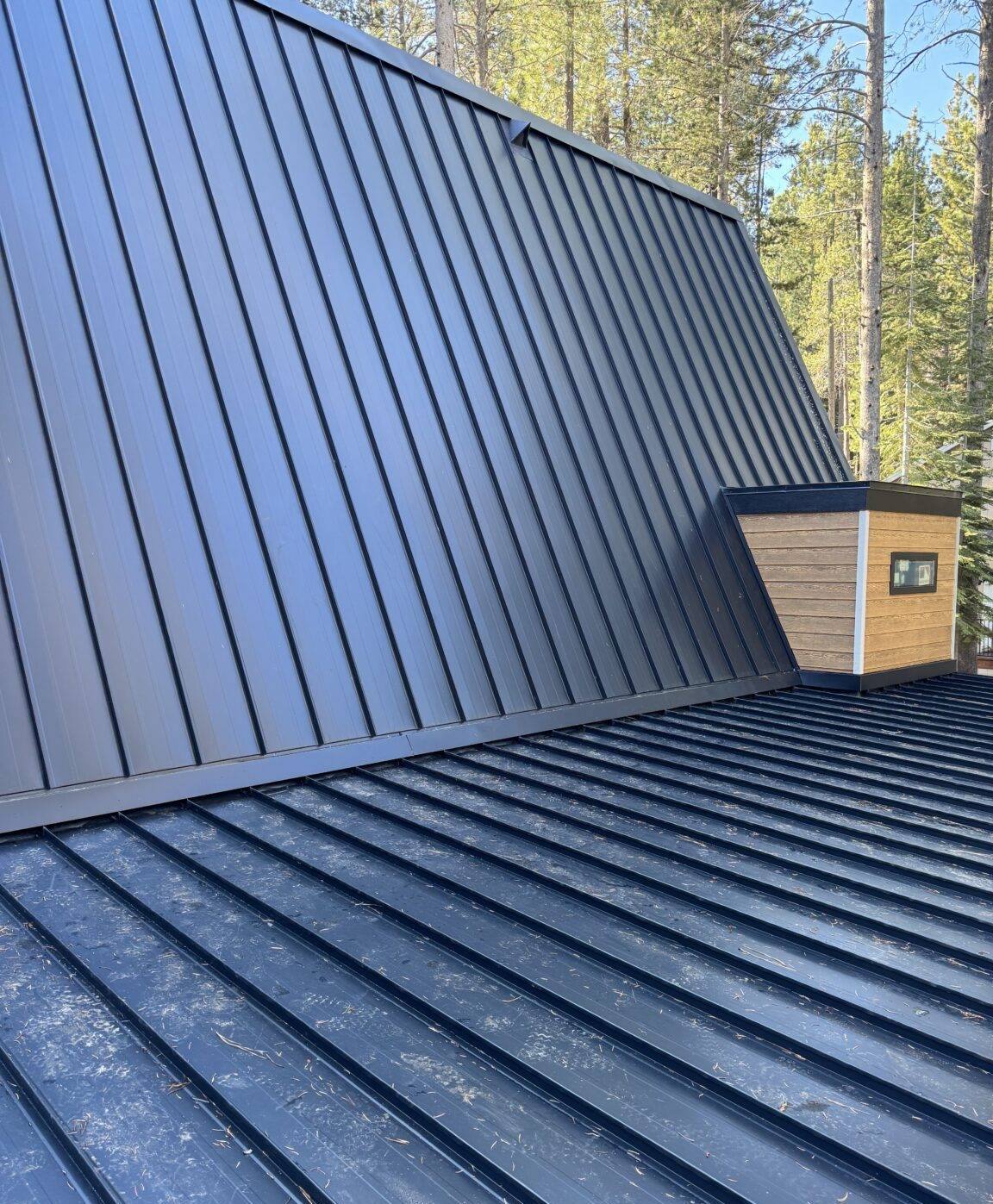
| Standing seam metal | 40–50+ years | Sheds moss and rain very effectively due to smooth, steep-shedding surface; handles wind-driven rain well | Low — occasional inspection of seams and fasteners |
| Synthetic/composite shingle | 30–50 years | Resists moisture absorption better than wood-look products; good option where appearance matters but low maintenance is a priority | Low to moderate |
| Cedar shake | 20–30 years with upkeep | Attractive but moisture-sensitive; requires diligent maintenance in a shaded, damp environment to avoid premature rot | High — regular treatment and moss control required |
We'll talk through these trade-offs honestly during your estimate rather than steering you toward whatever's easiest to install. A shaded, tree-lined lot near the water is a different situation than an open, sun-exposed roof across town, and the material recommendation should reflect that.
Moss, Algae, and Debris: The Lake Whatcom Factor
Tree cover and lake humidity make this one of the more moss-prone areas we work in. Moss isn't just cosmetic — it holds moisture directly against the roofing material, lifts shingle edges as it grows, and accelerates granule loss. During replacement, we address this at the source with proper ventilation and, where appropriate, algae-resistant shingle products or metal roofing that sheds moss growth more effectively than a heavily shaded asphalt roof will. Gutter and edge detailing also matters more here than in a drier climate — debris from overhanging trees needs a clear path off the roof, not a place to accumulate against the eaves.
Our Roof Replacement Process
- On-site inspection and estimate. We walk the roof (or use a lift/drone where pitch or access requires it), check the attic from the inside, and give you an honest read on repair versus replacement.
- Material selection. We go over the options in the table above against your budget, your roof's sun/shade exposure, and how long you plan to own the home.
- Scheduling around weather. Roof replacement needs a dry work window. We plan around the forecast rather than rushing a tear-off into a storm system.
- Tear-off and deck inspection. Old roofing comes off, decking is inspected and repaired as needed.
- Underlayment, flashing, and material installation. Each layer is installed to manufacturer and code specification, with extra attention at valleys, penetrations, and eaves.
- Ventilation check. Intake and exhaust airflow is verified and corrected if needed.
- Final walkthrough and cleanup. We inspect the finished roof with you, clear the site of debris and nails, and go over warranty documentation.
Why Hiring a Crew That Already Works Lake Whatcom Matters
A roofing crew that hasn't worked this specific area doesn't automatically know that a north-facing slope under mature trees needs different ventilation planning than an open roof, or that gutter and flashing details need to account for a longer wet season than a lot of standard installation guides assume. Local experience also means we're familiar with the access challenges some Lake Whatcom properties present — steep driveways, tree-lined lots, and limited staging space — and we plan the job around that instead of discovering it the day the crew shows up. It also means we're accountable locally: if a question comes up two years after the job, we're not a crew that drove in from out of the area and won't be back.
Roof Replacement Checklist for Homeowners
Whoever you hire for a roof replacement near the lake, these are worth confirming before work starts:
- Full tear-off to the deck, not an overlay on existing shingles
- Written scope that names the underlayment type, not just "underlayment included"
- Flashing replacement at chimneys, vents, skylights, and valleys — not reuse of old flashing
- A plan for attic ventilation, not just re-roofing over existing vents
- Manufacturer warranty terms in writing, along with the contractor's workmanship warranty
- Proof of licensing and insurance specific to roofing work
- A clear plan for weather delays and cleanup, including magnetic nail sweeps
If a bid skips over most of these details, it's worth asking why before you sign anything.
Get a Free, No-Pressure Estimate
If your Lake Whatcom roof is showing its age, or you just want an honest opinion on repair versus replacement, we're glad to take a look. There's no obligation and no pressure — just a straight assessment of where your roof stands and what it would take to get it right for another few decades of Whatcom County weather. Use the form below to request your free estimate.