 Glenhaven Siding
 Decking in Lynden Faces a Different Set of Problems
Lynden sits inland from the water compared to some Whatcom County communities, but the same weather pattern reaches everyone here: long wet winters, a steady drift of salt-laced marine air, and stretches of the year where a north-facing deck barely sees direct sun for weeks at a time. That combination is hard on any outdoor structure, but it's especially hard on wood decking. Boards stay damp longer than they should, moss and algae get a foothold in shaded corners, and fasteners and connectors corrode faster than most homeowners expect.
Composite decking was designed to handle exactly this kind of environment better than solid wood does. It doesn't absorb water the way lumber does, it doesn't need annual staining or sealing, and it resists the slow surface breakdown that lets moss and mildew dig in. That said, composite is not maintenance-free, and it is not immune to bad installation. A composite deck built without the right attention to drainage, ventilation, and fastening will still show problems in a climate like this one — just different problems than a wood deck would.
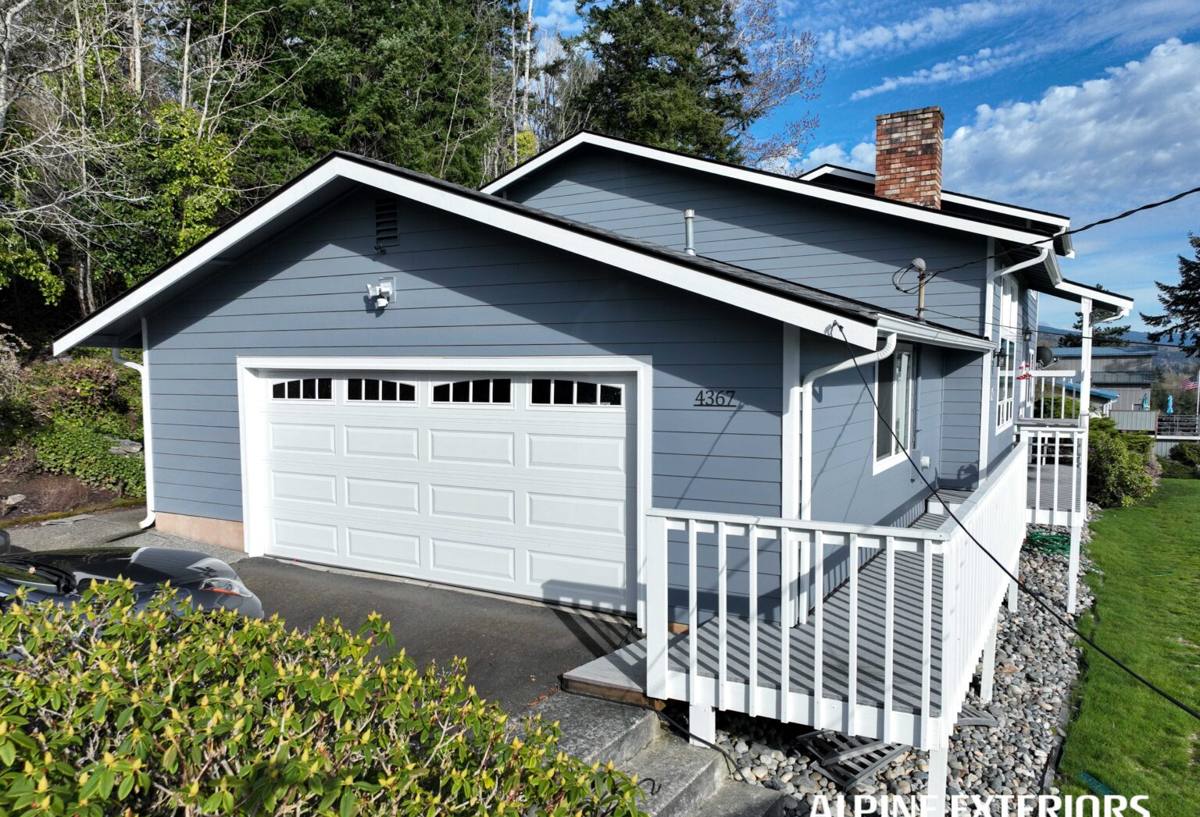
What a Deck Actually Needs to Hold Up Here
Drainage Underneath, Not Just on Top
Composite boards shed surface water well, but the substructure underneath still needs to dry out between rain events. In Lynden's climate, a deck built low to the ground or without adequate airflow underneath can trap moisture against the framing for days at a stretch during our wettest months. That doesn't rot composite decking, but it will shorten the life of the wood or wood-alternative framing underneath it if that framing isn't protected and ventilated correctly.
Fasteners and Hardware That Won't Corrode
Salt-influenced air moves through this whole region, and it accelerates corrosion in standard hardware faster than most people realize until they see rust streaks bleeding through a deck board a few years in. Ledger connections, joist hangers, and structural screws all need to be rated for exterior and, ideally, coastal-type exposure — not just "deck screws" bought off a shelf without checking the coating.
Shade Management
Decks tucked under overhangs, mature trees, or on the north side of a house dry out slowly here. That's fine for composite board material itself, but it means moss, algae, and general grime build up faster in those zones and need to be planned for — both in board selection (some composite finishes handle grip and staining better in constant shade) and in a realistic maintenance routine.
Composite vs. Other Decking Materials for This Climate
| Material | Moisture Behavior | Moss/Algae Resistance | Upkeep |
|---|---|---|---|
| Composite decking | Doesn't absorb water into the board; substructure still needs proper drainage | Good — cap-stock surfaces resist staining better than wood | Periodic washing; no staining or sealing |
| Pressure-treated wood | Absorbs and releases moisture repeatedly; prone to cupping and checking | Fair — needs regular cleaning and sealing to keep ahead of it | Annual cleaning, periodic staining/sealing |
| Cedar | Naturally moisture-resistant but still absorbs water over time | Fair to poor in constant shade without upkeep | Regular sealing to preserve color and resistance |
| PVC decking | Fully water-resistant, similar to composite | Good | Low; can look more plastic in appearance |
We install composite decking as our standard recommendation for most Lynden homeowners because it strikes the best balance of low upkeep and appearance for this climate. We're glad to talk through PVC or wood options too — the right call depends on your budget, how much shade the deck gets, and how much upkeep you actually want to do every year. We won't push a product because it's easier for us to install; we'll tell you the honest trade-offs.
What Correct Composite Decking Installation Actually Involves
Framing First
The composite boards get the attention because they're what you see, but the framing underneath is what determines whether the deck stays flat, quiet, and solid for the next twenty-plus years. That means correct joist spacing for the specific composite product being used (many composite boards require tighter joist spacing than standard wood decking, especially on diagonal patterns), proper ledger flashing where the deck attaches to the house, and hardware rated for the exposure this area sees.
Hidden Fastening Done Right
Most composite decking today uses a hidden fastener system rather than face screws, which gives a cleaner look and eliminates the screw-head corrosion staining that shows up on older wood and composite decks alike. Getting hidden fasteners installed correctly — proper gap spacing for expansion, consistent clip engagement, square board runs — is a detail-oriented job. Rushed hidden-fastener installs are one of the more common sources of loose or squeaking boards we get called out to fix on other people's work.
Ventilation and Ground Clearance
Especially on lower decks or ones close to grade, we build in enough clearance and airflow underneath so the framing can actually dry between rain events instead of sitting damp through the winter. This is one of the details that's easy to skip and hard to notice until years later.
How We Handle a Composite Decking Project in Lynden
- On-site assessment. We look at sun exposure, drainage, existing framing condition if it's a rebuild, and how the deck ties into the house.
- Material walkthrough. We go over composite board options, color and grain choices, and realistic cost ranges based on size and complexity — no pressure toward the most expensive option.
- Framing and structure. We correct or rebuild the substructure to match the composite manufacturer's spacing requirements and use hardware suited for this region's exposure.
- Installation. Boards are laid with proper hidden fastening, correct expansion gaps, and attention to any picture-framing or border detail you've chosen.
- Final walkthrough and cleanup. We check for level, fastening, and finish before we consider the job done, and we clean the site.
What Affects Cost
| Factor | Why It Matters |
|---|---|
| Deck size and shape | More linear footage and cuts (angles, curves, multiple levels) increase labor time |
| Framing condition | A full rebuild costs more than resurfacing an existing structurally sound frame |
| Composite product tier | Board lines vary in price based on cap-stock quality, color options, and warranty length |
| Height and access | Elevated decks with railing requirements or difficult site access add labor |
| Extras | Picture-framed borders, built-in lighting, and custom railing all add to the total |
Composite decking generally costs more upfront than pressure-treated wood but less over the life of the deck once you factor in the staining and sealing wood requires every year or two. We'll give you a real number for your project rather than a vague range that doesn't mean anything.
Maintaining a Composite Deck in a Moss-Prone Climate
Composite decking is low-maintenance, not no-maintenance. In a climate that stays wet as long as Whatcom County's does, a little seasonal attention goes a long way toward keeping a deck looking good and draining properly.
- Sweep off leaves, needles, and debris regularly, especially in fall — trapped organic material holds moisture against the board surface and is what moss and algae actually feed on
- Wash the deck surface at least once or twice a year with a soft-bristle brush and a composite-safe cleaner; avoid pressure washers on the highest settings, which can damage the cap-stock surface
- Check and clear gaps between boards periodically so water keeps draining through instead of pooling
- Keep an eye on shaded, low-airflow corners — these are where moss gets started first and are worth extra attention
- Trim back overhanging vegetation where practical to give the deck more light and airflow
- Inspect railing posts and stair connections annually for any movement, since hardware is the first thing to show wear even when the boards themselves look fine
Why a Local Crew Matters for This Job
Composite decking manufacturers publish installation specs, but those specs assume generic conditions. A crew that works in Lynden and the surrounding Whatcom County area regularly knows which details actually matter here — the framing clearance that keeps a deck from staying damp through our winters, the hardware that holds up against the salt-influenced air moving through this region, and which shaded spots on a typical local lot are going to need extra attention for moss. That's knowledge you build by doing the work here repeatedly, not by reading a spec sheet once.
It also means someone is close by and accountable if a question comes up after the project is done — not a crew that installed a deck once passing through and moved on.
If you're considering a new composite deck or replacing an aging wood one, we're happy to come take a look and walk you through what your specific lot and layout would need. The estimate is free, there's no pressure, and you'll get a straight answer about what's realistic for your budget — just fill out the form below to get started.