 Glenhaven Siding
 Why New-Construction Windows Need a Different Approach in Bellingham
Building new in the Bellingham area means dealing with a specific mix of weather that a lot of window packages simply aren't built for: salt-laden air off the Puget Sound and the bays, long stretches of driving rain that comes in sideways off the water, and a moss and mildew season that can stretch for most of the year in shaded, north-facing exposures. New-construction windows sit inside a fresh wall assembly with no old flashing, no old caulk lines, and no prior mistakes to work around — which is exactly why it's worth getting the material, the flashing detail, and the installation sequence right the first time. A window that's a poor fit for this climate won't show its weaknesses on day one. It shows them two or three wet seasons later, as soft trim, fogged glass, or staining around the frame.
Glenhaven Siding Company works new-construction and major remodel projects throughout Whatcom County, including Bellingham, and we treat window installation as part of the building envelope — not a separate trade dropped in after the fact. The window opening, the flashing, the siding, and the weather-resistive barrier all have to work together as one system, or moisture finds the seam between them.
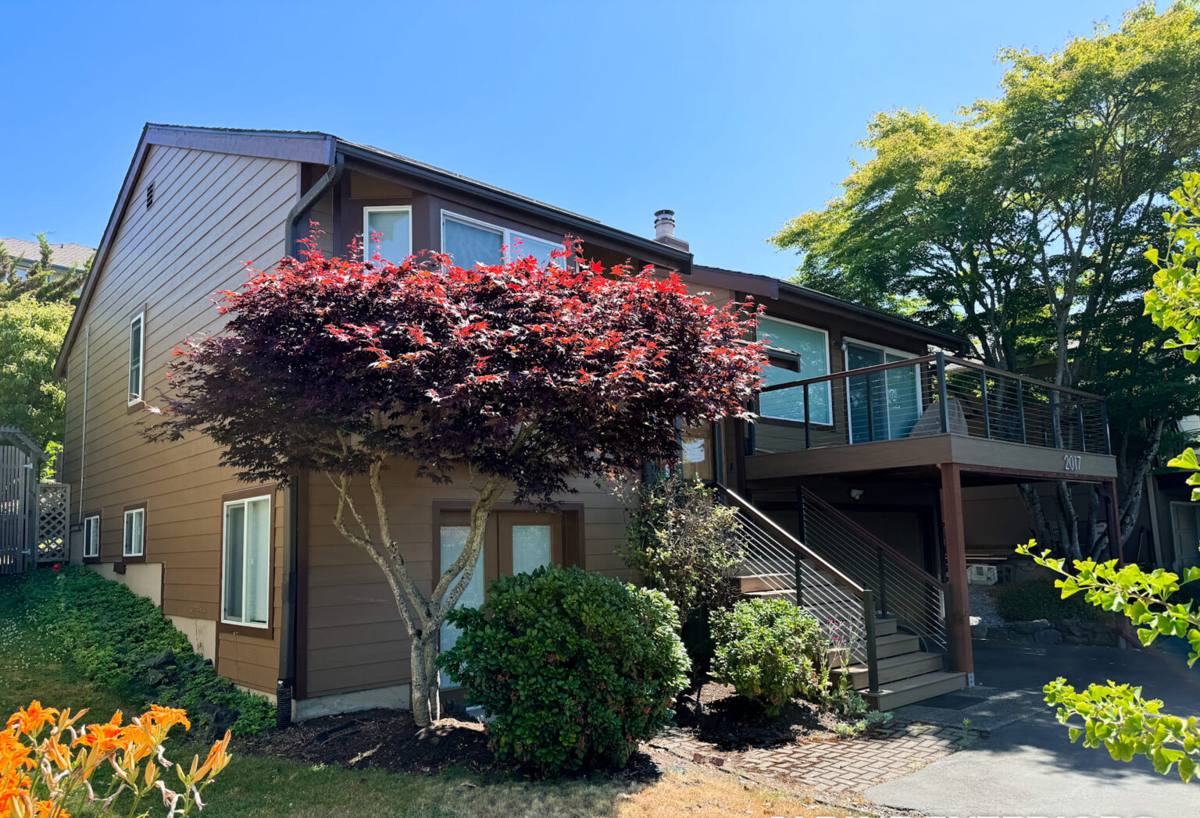
What "New-Construction" Windows Actually Means
New-construction windows are built with a nailing flange (sometimes called a nail fin) that attaches directly to the wall sheathing before siding goes on. That's different from a replacement or "pocket" window, which is sized to slide into an existing frame without disturbing the exterior wall covering. The distinction matters for performance:
- New-construction windows let us flash directly to the sheathing and weather-resistive barrier, which is the strongest, most predictable way to manage water at the opening.
- They allow the window to be set square and level in the rough opening before any interior or exterior finish work covers up mistakes.
- They give us full access to shim, insulate, and air-seal the gap around the frame — something you can't do well once siding and trim are already in place.
If you're building new in Bellingham or doing a full re-side down to the sheathing, you're almost always in new-construction window territory, even if the framing itself isn't brand new.
What Local Homes Need From a Window Package
Salt Air and Coastal Exposure
Homes closer to Bellingham Bay and the surrounding waterways deal with airborne salt that accelerates corrosion on hardware, screens, and lower-quality frame components. This doesn't mean every window needs marine-grade everything, but it does mean we pay attention to hardware finish and frame material on homes with more direct water exposure, rather than defaulting to whatever's cheapest.
Driving Rain
Wind-driven rain doesn't just hit a window head-on — it gets pushed sideways and upward under sills and around corners. Windows and their flashing details need to shed water that's moving in directions a simple bead of caulk was never designed to handle. This is a flashing and sequencing issue as much as a product issue, which we cover below.
Moss, Shade, and Sustained Moisture
Many Bellingham lots have significant tree cover or north-facing walls that stay damp for days after a storm. That kind of sustained moisture is hard on wood trim, promotes moss and mildew growth on sills, and can slowly break down caulk and sealants that aren't rated for constant wet exposure. Detailing and material choice both need to account for surfaces that may not fully dry out between rain events for weeks at a time.
Frame Materials: What Holds Up and What Doesn't
There's no single "best" window material — the right call depends on budget, exposure, and how the home is built. Here's how the common options compare for Whatcom County's climate specifically:
| Material | Moisture Behavior | Maintenance | Best Fit |
|---|---|---|---|
| Vinyl | Won't rot; handles constant damp well | Low — occasional cleaning | Most new builds and value-focused projects |
| Fiberglass | Very stable, minimal expansion/contraction in wet-cold swings | Low | Higher-exposure walls, larger openings, longer-term owners |
| Aluminum-clad wood | Good exterior protection, but relies on flawless sealing at joints | Moderate — interior wood still needs attention | Homeowners wanting a wood interior look with exterior protection |
| Bare wood | Poor in sustained damp/shade without diligent upkeep | High | Only where owners commit to regular refinishing |
We don't install bare wood windows on new construction in this climate as a matter of professional standard — not because wood windows are inherently bad, but because Whatcom County's shade, moisture, and moss conditions demand a maintenance schedule most homeowners underestimate. Clad-wood or fiberglass gets you the interior wood look with far less long-term risk.
The Installation Details That Actually Protect the Opening
The window product matters less than most people assume. What actually determines whether a window leaks in five years is the installation sequence around it. On a new-construction opening, we follow a layered, shingle-style approach so every layer sheds water onto the layer below it, never behind it:
- Sill pan flashing installed first, sloped slightly outward so any water that gets past the window drains back out, not into the wall cavity.
- Jamb flashing up both sides, lapped over the sill pan.
- Window set into the opening, shimmed square and plumb, fastened per the manufacturer's schedule — not just at the corners.
- Head flashing installed last across the top, lapped over the jamb flashing and integrated with the weather-resistive barrier above it.
- Air sealing around the interior gap with an appropriate low-expansion product — overfilling with foam can bow the frame and cause the window to bind or seal poorly.
Skipping or reversing any of these steps — a common shortcut on rushed jobs — is exactly how water ends up inside a wall that looks fine from outside for years before the damage shows.
Our Process, Start to Finish
For new-construction and full re-side projects in the Bellingham area, our sequence looks like this:
- Walk-through and measure: we confirm rough opening sizes against the window order and check the wall assembly (sheathing type, weather-resistive barrier) before anything ships.
- Product selection: we go over frame material, glass package, and hardware options based on the home's exposure — waterfront, shaded, or a more typical in-town lot.
- Flashing and set: sill pan, jamb, and head flashing installed in sequence as above, window set square and shimmed, fasteners driven to spec.
- Integration with siding: trim and siding tied into the flashing system so water sheds outward at every layer, not just at the window itself.
- Final check: operation, seal, and sightlines confirmed before we call the opening done.
Because we also handle siding, we're looking at the window opening as part of the whole exterior envelope rather than an isolated task — which matters when the siding crew and the window crew are the same people and there's no gap for details to fall through between trades.
Common Mistakes We See on Local New Builds
Some of the recurring issues we run into on new-construction homes and additions around Bellingham and Whatcom County:
- Caulk used as the primary water barrier instead of proper flashing — caulk is a supplement, not a substitute.
- Sill pans left flat or sloped the wrong direction, trapping water instead of draining it.
- Windows fastened only at the corners, leaving the frame free to bow under wind load.
- Weather-resistive barrier lapped incorrectly at the head flashing, sending water behind the barrier instead of over it.
- Foam sealant overfilled around the frame, causing binding or uneven compression on the seal.
None of these show up on a walkthrough right after installation. They show up after a wet winter, which is exactly why sequencing and inspection during the build matter more than they might seem to at the time.
Checklist: What to Confirm Before Your Windows Go In
- Rough openings measured and confirmed against the actual window order, not just the plan set
- Sill pan flashing product and slope specified in writing, not left to on-site improvisation
- Frame material matched to the wall's sun/shade exposure and proximity to open water
- Fastening schedule follows the manufacturer's spec, not just "enough to hold it up"
- Weather-resistive barrier lap sequence planned before the window crew and siding crew hand off work to each other
- Interior air-sealing product specified (low-expansion foam or backer rod, not standard high-expansion foam)
Cost Factors Worth Understanding
We don't quote new-construction window pricing without seeing the plans and openings, but the main variables that move the number are consistent from project to project:
| Factor | Effect on Cost |
|---|---|
| Frame material (vinyl vs. fiberglass vs. clad-wood) | Vinyl typically lowest; fiberglass and clad-wood run higher |
| Glass package (standard vs. upgraded low-E, tempered where required) | Upgrades add cost per opening but improve comfort and code compliance |
| Number and size of openings | Larger and more numerous openings raise both material and labor cost |
| Wall exposure (waterfront, high wind, heavy shade) | May push toward higher-spec flashing and hardware, adding modest cost |
| Access and building stage | Easier access during framing keeps labor lower than retrofitting later |
The honest advice: don't shop window packages purely on the sticker price per opening. A cheaper window installed with a compromised flashing detail costs far more once you account for the repair down the road.
Why a Bellingham-Experienced Crew Matters
Window flashing details that work fine in a dry inland climate aren't automatically right for Whatcom County's rain and shade patterns. A crew that already works new-construction projects in and around Bellingham has seen which flashing sequences actually hold up here, which frame materials are worth the upgrade on exposed walls, and which shortcuts show up as callbacks two winters later. That local repetition is worth more than a generic installation manual, because it's been tested against this specific climate, not a national average.
If you're planning a new build or a full re-side in Bellingham or elsewhere in Whatcom County, we're happy to walk the site, look at your plans, and put together a straightforward estimate — no pressure, no upsell script, just an honest look at what your project actually needs. Use the form below to get started.