 Glenhaven Siding
 Roof Repair for Barkley Homes
Barkley sits close enough to the water and the tree line that its roofs take a different kind of beating than roofs a few miles inland. Homeowners here deal with a combination most contractors only see part of: salt-laden air drifting in off the water, long stretches of driving rain, and a moss season that can run most of the year in shaded spots. Any one of those will shorten a roof's life. Together, they make roof repair in this neighborhood a job that rewards local experience more than it rewards a low bid.
We're a Glenhaven-based siding and exterior crew, and roofing repair work in neighborhoods like Barkley is a regular part of what we do. This page covers what actually goes wrong with roofs here, what a correct repair looks like, and how to think about hiring for it.
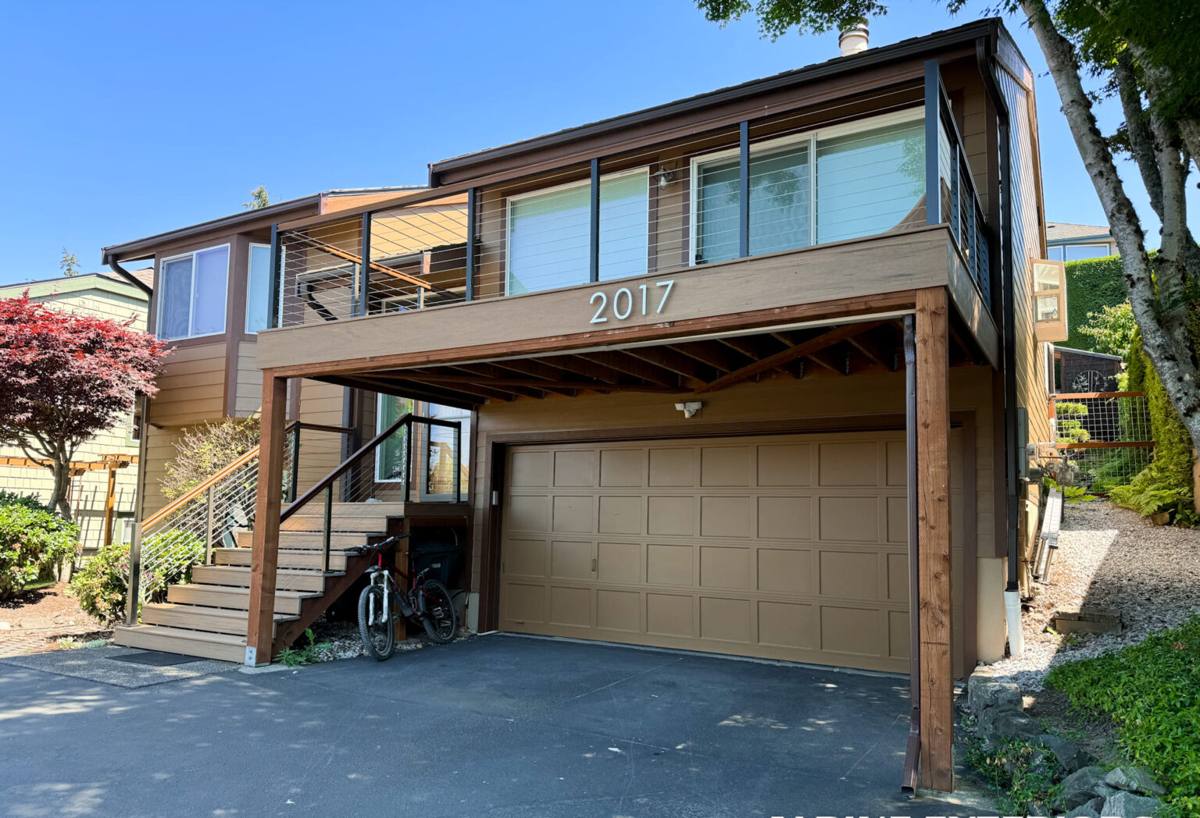
Why Barkley Roofs Wear Differently
Salt Air
Coastal and near-coastal air carries fine salt particles that settle on roofing metal — flashing, vent caps, gutter hardware, nail heads — and accelerate corrosion. On an inland roof, exposed fasteners or bare metal edges might go a decade without real trouble. In Barkley, that same metal can start showing rust streaks and pitting years sooner. It's not dramatic, it's gradual, and it's usually ignored until a fastener fails or a flashing seam starts leaking.
Driving Rain
Whatcom County doesn't just get rain, it gets wind-driven rain that hits roof planes at an angle instead of falling straight down. That matters because most roofing details — shingle overlaps, step flashing, valley metal — are designed to shed water moving downhill, not water being pushed sideways or even slightly upward under an edge. Driving rain finds the marginal details: a valley that's a little short, a pipe boot that's a little loose, a starter course that wasn't quite tight. Those are exactly the spots we check first on a Barkley repair call.
Moss Season
Shaded, moisture-retentive roof sections in this part of Washington can support moss growth nearly year-round. Moss isn't just cosmetic. It holds water against the roofing surface long after the rest of the roof has dried, it lifts shingle edges as it grows, and its root-like structures work into granule surfaces and seams. A roof with a moss problem is a roof that's staying wet longer than it was designed to, which speeds up everything else — granule loss, deck moisture, and eventually rot.
Common Roof Repair Calls We See in This Area
- Leaks around chimneys, skylights, and roof-to-wall transitions where flashing has corroded or separated
- Moss-damaged shingles in north-facing or tree-shaded sections
- Wind-lifted or cracked shingles along ridges and exposed edges
- Corroded or failing metal flashing, especially at valleys and low-slope transitions
- Soft or stained decking discovered after a slow, hidden leak
- Clogged or damaged gutters contributing to water backing up under the roof edge
- Deteriorated pipe boots and vent seals — a frequent, easy-to-miss leak source
Most of these show up first as a stain on a ceiling or ridge cap that looks slightly off — not as an obvious hole. That's part of why prompt repair matters here: by the time water is visible inside the house, it's often been getting in for a while.
What a Correct Roof Repair Actually Involves
A roof repair done right isn't just patching the spot where water showed up inside. Water travels along the underlayment and decking before it drips somewhere visible, so the visible stain and the actual entry point are often several feet apart. Our process is built around finding the real source, not just covering the symptom.
Our Process
- Inspection. We walk the roof and check the attic or interior where accessible, tracing water paths rather than assuming the leak is directly above the stain.
- Diagnosis. We identify the specific failure — cracked flashing, a lifted shingle, a failed boot, moss undermining a seam — and check nearby areas for related wear, since one failed detail often means others nearby are close behind.
- Scope and explanation. We tell you what we found, what it will take to fix it correctly, and why — in plain terms, before any work starts.
- Repair. We replace damaged materials, correct flashing details, reseal or replace failed penetrations, and address any moss or debris contributing to the problem.
- Verification. We check that the repair sheds water the way it should and, where relevant, note any deck moisture or additional wear you should keep an eye on going forward.
Moss and Debris Removal Done the Right Way
Moss removal has a wrong way and a right way. Scraping moss off aggressively can tear granules loose and damage the shingle surface underneath — sometimes causing more harm than the moss itself. We remove moss and organic debris using methods that clear the growth without stripping the roofing material, and we'll flag areas where moss has already caused enough damage that a patch repair isn't the honest answer.
Repair vs. Replacement: How We Help You Decide
Not every roof problem in Barkley needs a full replacement, and not every leak can be permanently fixed with a patch. The honest answer depends on the roof's age, how widespread the damage is, and what's happening at the deck level.
| Factor | Favors Repair | Favors Replacement |
|---|---|---|
| Roof age | Well within expected lifespan | Near or past expected lifespan |
| Damage extent | Isolated to one area or detail | Spread across multiple roof planes |
| Decking condition | Solid, dry, no soft spots | Soft, stained, or rotted in multiple areas |
| Leak history | First occurrence or clearly isolated cause | Recurring leaks in different spots over time |
| Granule/material wear | Localized, surrounding shingles still sound | Widespread granule loss or brittle shingles |
We'll always give you a straight recommendation based on what we actually find, not what's easiest to sell. If a targeted repair will hold, we'll say so. If the roof is telling us it's near the end of its service life, we'll explain why and let you make the call on timing.
Materials and Details We Pay Attention To
Given the salt air and driving rain in this neighborhood, the small details matter more than the shingle brand. We pay particular attention to:
- Flashing material and gauge — corrosion-resistant metal at valleys, chimneys, and wall transitions, installed with proper overlap for wind-driven rain
- Fastener quality — corrosion-resistant fasteners rather than standard hardware that can rust prematurely in salt-influenced air
- Underlayment condition — the layer beneath the shingles that does the real work when wind pushes rain under a shingle edge
- Ventilation — a roof deck that can't breathe stays damp longer, which compounds moss growth and slows drying after storms
- Sealant selection — products rated for sustained UV and moisture exposure, not general-purpose caulk that breaks down within a season or two
We don't push a specific shingle brand over another based on marketing. We install what performs well under this region's actual conditions and stand behind the installation detail, which is where most roof failures originate anyway.
A Homeowner Checklist for Barkley Roofs
Between professional inspections, there are things you can watch for yourself:
- Ceiling stains, especially ones that appear or grow after a windy rainstorm
- Visible moss patches, particularly on shaded or north-facing roof sections
- Granules collecting in gutters or at downspout outlets
- Shingles that look lifted, curled, or cracked, especially along ridges and edges
- Rust streaks below metal flashing or vent caps
- Gutters that overflow or hold standing debris after rain
- Any musty smell or visible moisture in the attic
None of these mean disaster on their own, but any of them is a good reason to get a roof looked at before the next storm system, rather than after.
Why Local Experience Matters for This Kind of Repair
A roofer who mostly works drier, inland areas can still do competent work, but they may not automatically account for wind-driven rain angles, salt-accelerated hardware corrosion, or the specific moss patterns that show up in shaded Whatcom County lots. That's not a knock on general roofing skill — it's just a different set of conditions than what they see day to day.
Working in Barkley regularly means we've seen how roofs in this specific area actually fail, not just how roofs fail in general. That shapes what we check first during an inspection, what materials we default to, and what we flag as a priority versus something that can wait a season.
Get a Straightforward Estimate
If you're dealing with a leak, visible moss, or a roof that's just due for a look, we're happy to come take a look and give you an honest read on what it needs — repair, monitoring, or something more. There's no pressure and no obligation. Use the form below to request a free estimate, and we'll get back to you with next steps.