 Glenhaven Siding
 New Roofs in Blaine Face a Different Set of Conditions
Blaine sits right up against the water, and that changes what a roof has to deal with compared to homes further inland. Salt-laden air off the bay, wind-driven rain that comes in sideways during winter storms, and a shady, damp climate that keeps moss growing for most of the year all put extra stress on roofing materials, fasteners, and flashing. A roof that would hold up fine in a drier part of Whatcom County can wear out faster here if it wasn't built with these conditions in mind.
This page covers what actually goes into a correct new roof installation for a Blaine home, what materials and details hold up best against salt air and moss, and how our process works from first estimate to final cleanup.
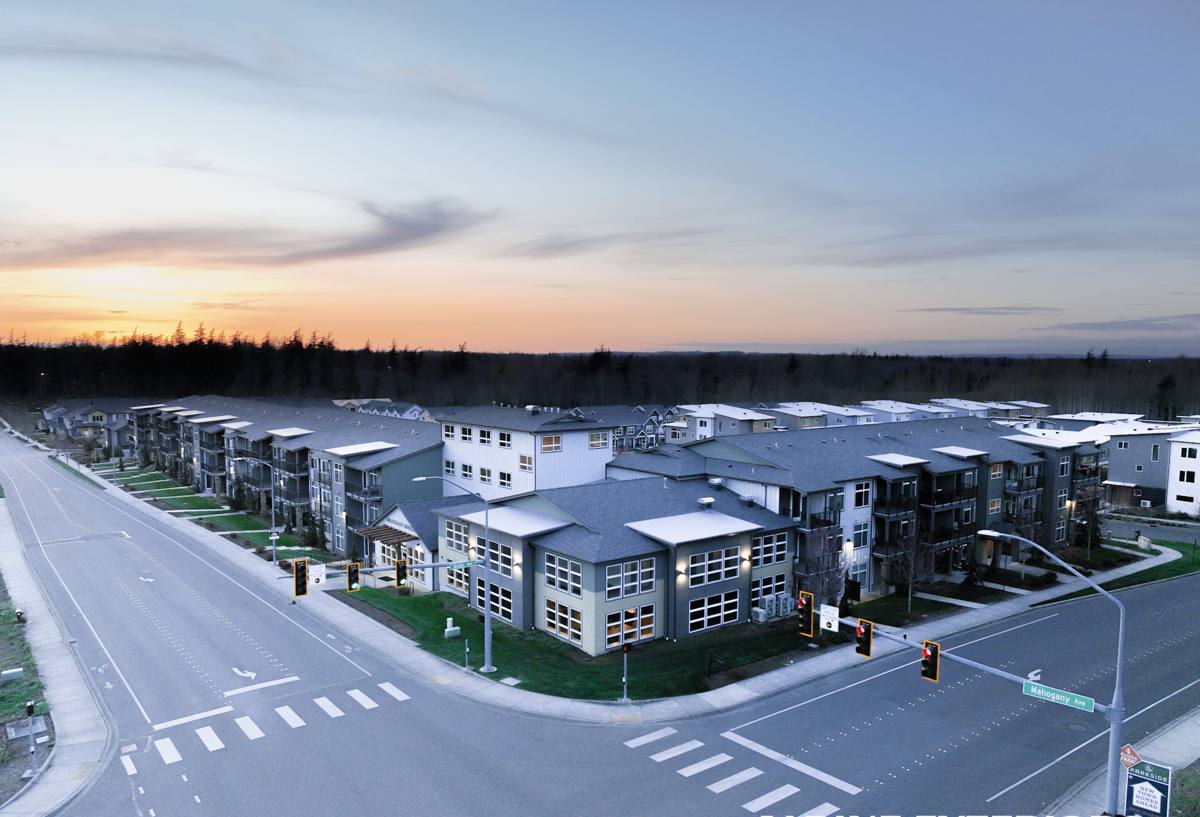
What Blaine's Climate Does to a Roof Over Time
Salt Air and Metal Components
Airborne salt accelerates corrosion on anything metal — nail heads, flashing, gutter fasteners, and vent stacks. Over years, low-grade or improperly coated metal components can start to rust, stain the roof surface, and eventually fail at the exact points that are supposed to keep water out. This is why fastener and flashing quality matters more here than it would on a roof twenty miles inland.
Driving Rain and Wind-Driven Water
Storms coming off the water don't just drop rain straight down — they push it sideways and up under roof edges, into valleys, and around anything that penetrates the roof surface, like chimneys and skylights. A roof system that relies only on gravity to shed water, without proper underlayment and flashing detail, is more likely to develop leaks in exactly these spots during a hard blow.
Moss, Shade, and Year-Round Moisture
Blaine's tree cover, cool temperatures, and long stretches of damp weather add up to a long moss season. Moss holds moisture against the roof surface, works its way under shingle edges, and lifts material over time, which shortens the life of an otherwise sound roof. Roofs with north-facing slopes or heavy shade are especially prone to it.
Choosing the Right Roofing Material for a Coastal Whatcom County Home
There's no single "best" roofing material for every house — it depends on the roof's pitch, exposure, budget, and how much maintenance the homeowner wants to keep up with. Here's how the common options compare for a home dealing with salt air, driving rain, and moss:
| Material | Salt Air Resistance | Moss Resistance | Typical Lifespan | Maintenance |
|---|---|---|---|---|
| Architectural asphalt shingle | Good, with corrosion-resistant fasteners | Moderate — benefits from zinc/copper strips | 25–30 years | Periodic moss treatment, gutter cleaning |
| Standing seam metal | Very good with marine-grade coatings | Excellent — sheds moss easily | 40–50+ years | Low — occasional fastener/seam check |
| Synthetic/composite shingle | Good | Good | 30–40 years | Low to moderate |
| Basic 3-tab asphalt shingle | Fair — more prone to fastener corrosion over time | Fair — moss takes hold faster | 15–20 years | More frequent moss/algae treatment |
For most Blaine homes we recommend architectural shingle or standing seam metal, paired with corrosion-resistant fasteners and flashing regardless of which material is chosen. Basic 3-tab shingle can still be the right call on a budget or on an outbuilding, but it's not our first recommendation on a primary roof exposed to the water side of a property.
What a Correct Installation Actually Involves
A new roof is more than laying down shingles. The parts homeowners don't see — the deck, the underlayment, and the flashing — are what determine whether the roof actually performs in Blaine's weather. A correct installation includes:
- Full tear-off of the old roofing material so the deck can be inspected directly, rather than roofing over existing problems
- Repair or replacement of any soft, delaminated, or water-damaged decking found underneath
- Ice-and-water shield membrane at eaves, valleys, and around every roof penetration — the spots most exposed to wind-driven rain
- Synthetic underlayment across the full roof deck as a secondary water barrier
- New step flashing and counter-flashing at chimneys, walls, and skylights, tied properly into the siding or masonry — not just caulked over old flashing
- Corrosion-resistant fasteners rated for coastal exposure
- Balanced intake and exhaust ventilation, sized to the attic space
- Zinc or copper moss-inhibiting strips near the ridge on shaded or north-facing slopes
Skipping any one of these doesn't always show up right away — a roof can look finished and still fail early because the flashing detail or ventilation wasn't done right. That's usually where the real difference between a roofing job and a correct roofing job shows up, often several years down the line when it's harder and more expensive to fix.
Ventilation and Moisture: The Part That's Easy to Get Wrong
In a climate as damp as Blaine's, attic ventilation isn't optional. Without enough intake at the soffits and exhaust at the ridge, warm moist air gets trapped in the attic, condenses on the underside of the roof deck, and creates conditions for rot and mold that have nothing to do with the shingles themselves. Poor ventilation also traps heat in summer and can shorten the life of the roofing material from underneath, regardless of how good the shingles or metal panels are on top. When we design a new roof system, intake and exhaust venting is sized and balanced as part of the plan, not treated as an afterthought.
Our Process for a Blaine Re-Roof
- On-site inspection and estimate. We look at the existing roof, attic ventilation, decking condition where visible, and any problem areas the homeowner has noticed, then put together a written estimate.
- Material selection. We walk through the tradeoffs for your specific roof — pitch, shade exposure, budget, and how the house sits relative to the water and prevailing wind.
- Permitting. We handle the permit process with the relevant local jurisdiction before work begins.
- Scheduling around weather. Tear-off exposes your home to the elements, so we schedule around forecasted dry windows whenever possible and keep the roof dried-in at the end of each work day.
- Tear-off and deck inspection. Old material comes off, the deck is inspected, and any repairs are addressed before anything new goes down.
- Installation. Underlayment, flashing, ventilation components, and roofing material are installed in that order, with attention to every penetration and edge.
- Cleanup and magnetic sweep. The property is cleaned up and swept for stray nails and debris before we consider the job done.
- Final walkthrough. We go over the finished roof with the homeowner and answer any questions before wrapping up.
Why a Crew That Already Works Blaine Matters
A roofing crew that regularly works this part of Whatcom County knows how the local weather actually behaves — when the dry windows tend to open up, how hard the wind comes off the water during a winter storm, and which roof details tend to fail first on homes in this specific setting. That experience shows up in small decisions: extra attention to flashing on a water-facing slope, using fasteners rated for salt exposure without being asked, or recommending moss strips on a shaded north side before it becomes a problem instead of after.
It also matters for accountability. A local contractor is easy to reach if a question comes up after the job, and stands behind the workmanship warranty because they're not going anywhere. That's worth more than it sounds like on a job that's supposed to protect your home for the next few decades.
What Drives the Cost of a New Roof in Blaine
Every roof is priced individually, but the same handful of factors move the number up or down on most jobs:
| Factor | Why It Matters |
|---|---|
| Roof size and pitch | More surface area and steeper pitches take more material and labor time |
| Material choice | Standing seam metal costs more up front than asphalt shingle, but lasts significantly longer |
| Number of tear-off layers | Removing multiple old layers of roofing adds labor and disposal cost |
| Decking repair | Rotted or soft decking found during tear-off needs to be replaced before new material goes down |
| Roof complexity | Valleys, dormers, chimneys, and skylights each add flashing work and time |
| Access | Steep sites or limited equipment access can add to labor time and safety setup |
We break these factors down in the written estimate so there's no guessing about what's driving the price.
Signs a Blaine Home Needs a New Roof, Not Just a Repair
- Shingles are curling, cracking, or losing granules across large areas rather than one isolated spot
- Moss has worked its way under shingle edges rather than just sitting on the surface
- You can see daylight through the roof deck from inside the attic
- Multiple separate leak points have shown up, rather than one repairable trouble spot
- The roof is original to the house and is 20-plus years old for asphalt, or showing wear consistent with its expected lifespan
- Decking feels soft or spongy underfoot during an inspection
- Flashing around chimneys or skylights is visibly rusted, lifted, or gapping
If only one or two of these apply, a targeted repair may still be the right call — a full replacement isn't always necessary. Part of an honest estimate is telling you when repair is the smarter option.
Ready for a Straight Answer on Your Roof
If your Blaine home's roof is showing its age or you're just planning ahead, we're happy to take a look and give you a straightforward, no-pressure estimate. Use the form below to get started.