 Glenhaven Siding
 Building New in Nooksack Means Getting the Window Install Right the First Time
When you're building new in Nooksack, the window install isn't a repair you can revisit in five years without opening up the wall. New-construction windows go in before the siding closes everything up, which means the flashing, the rough opening prep, and the seal between window and wall have to be correct on day one. Get it right and the windows should perform for decades. Get it wrong and the first sign of trouble is often a stain on drywall two or three winters later, long after the crew that installed them has moved on.
We install new-construction windows for homes going up in and around Nooksack as part of our regular siding and exterior work in Whatcom County. This page covers what that actually involves here specifically — not a generic overview of window installation, but what a Nooksack build needs given the weather this area sees.
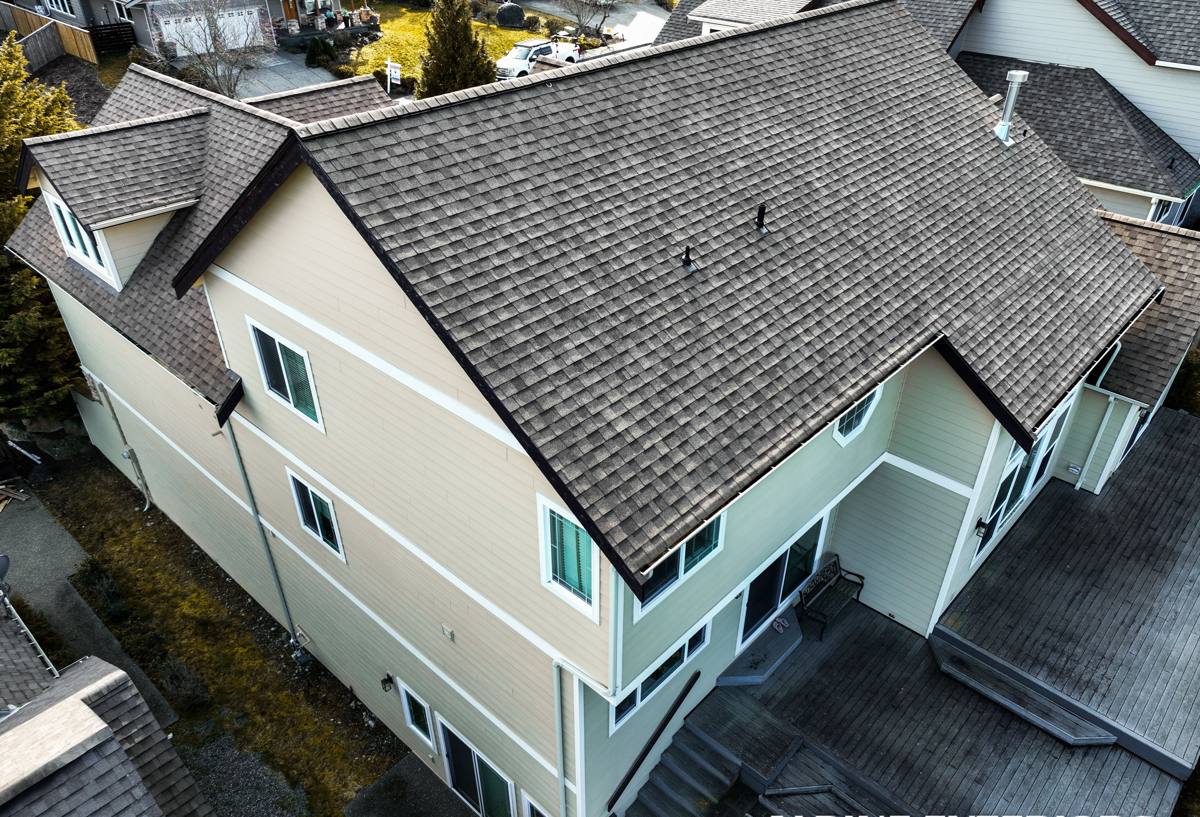
What Nooksack's Climate Demands From New Windows
Whatcom County sits close enough to the Salish Sea and gets enough marine-influenced weather that new windows here are working against a specific combination of conditions: salty, humid air; heavy wind-driven rain; and long stretches of gray, damp weather that feed moss and mildew growth on anything that stays wet too long.
Salt Air and Coastal Exposure
Even inland from the water, salt-laden air moves through Whatcom County and accelerates corrosion on unprotected metal — hardware, fasteners, and lower-grade cladding on window frames. It's a slow process, but it's constant, and it's one reason we pay attention to what a window's exterior components are made of, not just how the glass performs.
Driving Rain and Wind-Driven Water
Rain that falls straight down is easy to manage. Rain that's being pushed sideways by wind is what actually tests a window installation, because it drives water up and under trim, sills, and flashing edges rather than just running down the face of the wall. This is the scenario that separates a correctly flashed opening from one that looks fine until the next big storm.
Moss Season and Prolonged Damp
Whatcom County's moss season isn't a minor cosmetic issue — it's a sign of how long surfaces stay wet here. Anywhere moisture can sit against wood trim, sills, or an improperly sealed nailing flange, moss, algae, and eventually rot will follow. New-construction windows need drainage paths and materials that don't invite that kind of buildup.
New-Construction vs. Retrofit Windows — Why the Frame Type Matters
Because you're asking about a new build, the window type matters more than most homeowners realize. New-construction (nail-fin) windows and retrofit (block-frame) windows are built for different situations, and using the wrong one — or installing the right one incorrectly — creates problems that are hard to fix later.
| Factor | New-Construction (Nail-Fin) Window | Retrofit (Block-Frame) Window |
|---|---|---|
| Best suited for | New builds and full wall/siding tear-offs | Existing openings with intact exterior trim |
| Installation method | Fin fastens to sheathing, integrates with house wrap and flashing | Frame fits inside existing opening, sealed with trim and sealant |
| Water management | Layered flashing sequence built into the wall assembly | Relies more heavily on sealant and existing exterior detailing |
| Long-term performance in wet climates | Strong, if flashing sequence is followed correctly | Good, but more dependent on the condition of the existing opening |
For a Nooksack new build, the nail-fin approach is standard because it lets us build the water-management layers into the wall from scratch, rather than working around an opening that already exists. The trade-off is that there's no room for shortcuts — every layer has to lap correctly over the one below it.
What a Correct New-Construction Window Install Involves
Rough Opening Prep
Before a window ever gets set, the rough opening needs to be square, correctly sized, and free of anything that would keep the unit from sitting flat and level. A window installed slightly out of square will bind, won't seal evenly, and puts ongoing stress on the frame and hardware.
Flashing and Water Management Sequence
This is the part that actually determines whether a window stays dry through a Whatcom County winter. The sill pan goes in first to catch and direct any water that gets past the window itself. Side flashing laps over the sill pan. The window's nailing fin gets sealed and fastened. Head flashing goes on last and laps over the house wrap above the opening. Every layer overlaps the one below it — never the reverse — so water is always directed down and out, never trapped behind a layer that's lapped backward.
Integrating With House Wrap and Siding
The window opening isn't a standalone detail — it has to tie into the house wrap and the siding installation around it. Where those layers connect is exactly where driving rain finds a way in if the transitions aren't sealed and lapped correctly. Since we handle both the window installation and the siding on new builds, we control that whole transition instead of handing it off between separate crews who may not coordinate on sequencing.
Material and Glass Considerations for This Climate
Frame material and glass package both affect how a window holds up here, and there isn't one right answer for every home — it depends on budget, style, and how exposed the elevation is to wind-driven rain.
| Consideration | What to Weigh in This Climate |
|---|---|
| Frame material | Vinyl and fiberglass resist corrosion and moisture better than bare or under-protected metal components exposed to salt air |
| Hardware and fasteners | Corrosion-resistant hardware matters more here than in drier inland climates |
| Glass package | Double-pane, low-E glass is the practical baseline for this region's mix of damp cold and marine humidity |
| Sill and trim detailing | Sloped sills and drip caps that shed water away from the wall reduce moss and algae buildup over time |
We'll walk through these trade-offs with you based on the specific elevations and exposure of your build — a wall that takes the brunt of prevailing wind and rain deserves more attention to detailing than a sheltered side of the house.
Our Process When We're Brought in During a Build
New-construction work runs on the builder's schedule, so timing and communication matter as much as the install itself.
- We review the plans and window schedule with the builder or homeowner before the openings are framed, so sizing and flashing details are agreed on early.
- We inspect rough openings once framing and house wrap are in before setting any windows.
- We install the sill pan, side flashing, window unit, and head flashing in the correct sequence for each opening.
- We coordinate directly with the siding installation so the transition between window and cladding is sealed as one continuous system, not two separate jobs.
- We do a final check on every opening — level, square, properly sealed — before the wall is closed up behind trim and siding.
Coordinating With Builders and GCs
On a new build, windows sit at the intersection of framing, house wrap, and siding — three trades that all need to agree on sequencing. If the window installer isn't coordinating directly with whoever's doing the exterior cladding, small gaps in that handoff are how leaks happen later. Because we do both the windows and the siding on the builds we're part of, we're not waiting on someone else's schedule or guessing at how another crew flashed an opening. We know exactly what's happening at that transition because we're doing it.
Why a Crew That Already Works Nooksack Matters
Window installation practices that work fine in a dry inland climate aren't automatically right for Whatcom County. A crew that's used to installing in this area already knows to expect driving rain from a given direction, understands why moss and algae show up where drainage is inadequate, and doesn't treat salt-air corrosion resistance as an afterthought. That familiarity shows up in the details — how sills are sloped, which fasteners get used, how much attention goes into the head flashing lap. It's the difference between an installation that's technically complete and one that's actually built for what Nooksack weather will throw at it.
A Checklist for Homeowners and Builders Working With Us
- Confirm window sizing and rough opening dimensions match the approved plans before framing is finalized
- Ask whether sill pan flashing is included in the installation sequence — it should be, on every opening
- Clarify who is responsible for the window-to-siding transition so nothing falls between trades
- Discuss frame material and hardware corrosion resistance if your elevation faces prevailing wind and rain
- Request a final walk-through of flashing and sealing before the wall is closed up behind siding
If you're planning a new build in Nooksack and want windows installed correctly the first time, we're happy to walk the plans with you and give you a straightforward, no-pressure estimate. Use the form below to get started.