 Glenhaven Siding
 Roof Replacement Built for Puget's Weather, Not a Generic Climate
Puget sits close enough to the water that homes here take a different kind of beating than a roof twenty miles inland. Salt-laden air works on metal fasteners and flashing year-round. Driving rain off the Sound doesn't just fall straight down — it gets pushed sideways under wind gusts and finds every weak seam, lap, and nail head that isn't sealed correctly. And then there's moss season, which in this part of Whatcom County isn't really a season at all — it's most of the year, thanks to the shade, humidity, and mild temperatures that let spores take hold on any north-facing slope or shaded valley. A roof replacement done for a dry-climate spec sheet, or done fast by a crew that doesn't normally work this close to the water, tends to show its weaknesses here within a few winters. One that's built for these specific conditions holds up for decades.
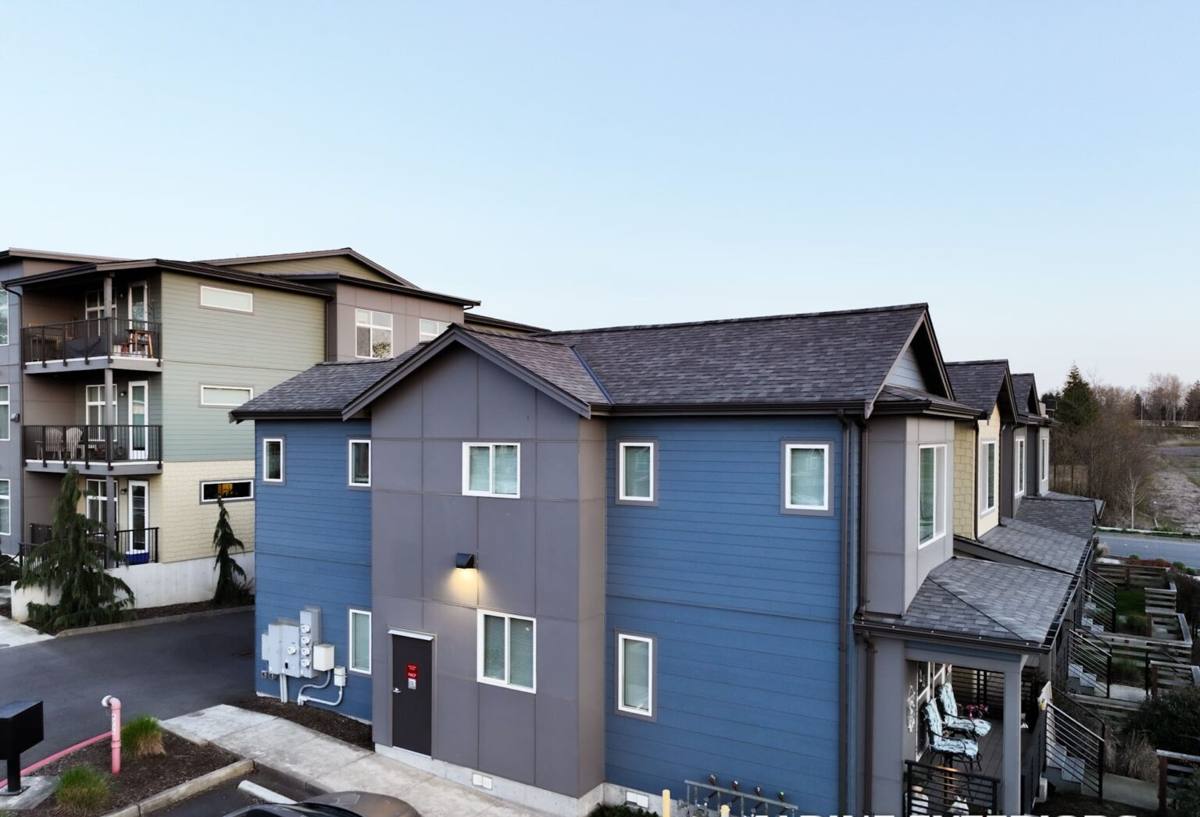
Signs a Puget Roof Has Moved Past Repair
Not every roof problem calls for a full replacement, and we won't tell you it does just because you called. But certain patterns in this area point clearly toward replacement rather than another round of patching.
- Granule loss heavy enough that you're finding grit in gutters every time it rains, not just after a storm
- Moss that keeps returning within a season or two of cleaning, especially on north- or east-facing slopes
- Soft or spongy decking felt underfoot during inspection, usually where moss or debris held moisture against the roof longest
- Flashing around chimneys, vents, and valleys that's corroded, lifted, or was never properly stepped and counter-flashed to begin with
- Daylight or water staining in the attic near eaves or valleys, which usually means wind-driven rain has already worked past the shingle layer
- A roof approaching or past its material's realistic service life in this climate, which tends to run shorter here than manufacturer averages assume for milder, drier regions
If you're only seeing one or two of these and the decking is sound, a repair or partial re-roof may genuinely be the smarter call. We'll tell you that during the inspection rather than push a full tear-off you don't need.
What a Correct Roof Replacement Actually Involves Here
Starting With the Deck, Not the Shingles
The most common shortcut we see on older reroofs in this area is skipping a real inspection of the sheathing once the old roofing is off. Salt air and chronic moisture from moss and shaded, slow-drying slopes can soften plywood or old-growth sheathing in spots you'd never spot from the ground. A correct replacement means pulling the old roofing, inspecting every square foot of deck, and replacing any panel that's delaminating, soft, or fastener-worn before anything new goes down. Roofing over a compromised deck is how a brand-new roof develops soft spots within a few years.
Underlayment and Ice/Water Protection
Given how much of Whatcom County's rainfall comes in sideways, we treat underlayment as a real second line of defense, not a formality. Self-adhered ice-and-water membrane in valleys, around penetrations, and along eaves gives the roof a sealed layer under the shingles where wind-driven rain is most likely to find a way in. Synthetic underlayment across the rest of the field holds up better than old felt paper in our damp shoulder seasons, when a roof can sit uncovered between courses longer than anyone would like.
Flashing Done Right
Chimneys, skylights, dormers, and valleys are where most leaks actually start, not in the open field of shingles. Step flashing, counter-flashing, and valley metal need to be sized, lapped, and sealed correctly — and in a salt-air environment, the flashing material matters. We favor corrosion-resistant metals and fasteners here specifically because standard galvanized hardware degrades faster this close to the water.
Ventilation That Matches the Attic, Not a Guess
Balanced intake and exhaust ventilation keeps moisture from condensing under the deck and helps the roof dry out between our long stretches of wet weather. Under-ventilated attics in this climate are a common cause of premature deck rot that has nothing to do with the shingles themselves.
Comparing Roofing Materials for a Puget Home
There's no single "best" roofing material — the right choice depends on your roof's exposure, slope, budget, and how much moss and moisture pressure a given area of the roof takes on. Here's how the common options stack up for homes in this climate.
| Material | Typical Lifespan Here | Moss/Moisture Behavior | Salt-Air Considerations |
|---|---|---|---|
| Architectural asphalt shingle | 20–30 years | Algae-resistant (AR) granules help; still needs periodic cleaning on shaded slopes | Standard fasteners should be corrosion-resistant near the water |
| Standing-seam metal | 40–50+ years | Sheds moisture fast, sheds moss well on steeper pitches | Requires marine-grade or coated fasteners and panels to avoid pitting |
| Synthetic/composite shake | 30–40 years | Resists moisture absorption better than real wood shake | Generally low-maintenance in salt air; check manufacturer coastal rating |
| Wood shake (cedar) | 20–25 years with upkeep | Highest moss and moisture risk; needs regular treatment | Higher maintenance burden this close to the Sound |
For most Puget-area homes we steer people toward architectural asphalt with true algae-resistant granules or standing-seam metal, depending on budget and roof pitch. Cedar shake can look great, but given how much upkeep it demands in a damp, mossy microclimate, we're upfront that it's a higher-maintenance choice here — not a knock on the material, just an honest read of what this environment does to it.
How We Approach a Replacement Job in Puget
- On-site inspection — we walk the roof, check the attic from inside, and identify moisture, ventilation, and structural issues before quoting anything
- Written scope and estimate — materials, flashing details, ventilation plan, and timeline spelled out, not a vague lump sum
- Tear-off and deck inspection — full removal of old roofing, with any compromised sheathing flagged and replaced
- Underlayment and flashing installation — ice-and-water membrane at vulnerable points, synthetic underlayment across the field, corrosion-resistant flashing throughout
- Roofing installation — installed to manufacturer spec and local code, with attention to nailing patterns that hold up under wind off the water
- Ventilation and detail work — intake/exhaust balance checked, penetrations sealed, valleys finished
- Cleanup and final walkthrough — magnetic sweep for debris, gutters checked, everything reviewed with you before we call it done
Scheduling Around Whatcom County's Weather
A roof tear-off leaves a home exposed until the new roofing and underlayment are down, so timing matters more here than in drier regions. We plan replacements around realistic weather windows, use tarping and sequencing to limit how much deck is ever open at once, and won't start a tear-off we can't reasonably close out before the next system rolls in. It's a slower, more deliberate approach than crews that treat every region the same, but it's what keeps a job from turning into a water problem halfway through.
Dealing With Moss for the Long Term, Not Just at Install
A new roof buys you a clean start, but moss pressure in this area doesn't go away on its own. Zinc or copper strips installed near the ridge let rainwater carry trace metal ions down the roof face, which discourages moss and algae regrowth over time without chemicals. Keeping trees trimmed back for better sun exposure and airflow, and cleaning debris out of valleys and gutters a couple of times a year, does more to protect a new roof here than almost anything else a homeowner can control.
Why Local Experience Matters for This Job
A roof replacement is code-driven, weather-dependent, and detail-heavy — the kind of job where local experience shows up in decisions you'd never think to ask about: which fastener grade holds up near the water, which slopes in this specific microclimate need extra moss defense, how to sequence a tear-off around a wet forecast instead of hoping it holds off. A crew that's already replaced roofs around Glenhaven and Puget has usually made the expensive mistakes once, years ago, on someone else's job — not yours.
What to Ask Any Roofer Before You Hire
- Do they inspect and photograph the deck condition before quoting, or just eyeball it from the ground?
- Do they specify corrosion-resistant flashing and fasteners for coastal/salt-air exposure, or use standard hardware regardless of location?
- Is ice-and-water membrane included at valleys, eaves, and penetrations, or only offered as an upcharge?
- Do they explain their ventilation plan, or just replace what's already there without checking if it's adequate?
- Are they licensed, insured, and willing to put the scope of work in writing before any deposit changes hands?
If your roof in Puget is showing its age — or you just want an honest opinion on repair versus replacement — we're happy to take a look. The estimate is free, there's no pressure to sign anything on the spot, and you'll get a straight answer about what your roof actually needs. Use the form below to get started.