 Glenhaven Siding
 Siding Installation Built for Puget's Marine Climate
Homes in Puget sit close enough to the water and the weather patterns that roll through Whatcom County that siding here works harder than it does almost anywhere else in the state. Salt-laden air moves inland on a regular basis, driving rain comes in sideways during winter storms, and the shade and dampness that define this part of the Pacific Northwest keep moss and algae active for most of the year. Siding that isn't matched to that combination doesn't fail overnight — it fails slowly, in ways that are easy to miss until the damage is already behind the wall.
This page is about one thing: what it actually takes to install siding correctly on a Puget home, and why the details of that installation matter more here than they would in a drier, calmer climate.
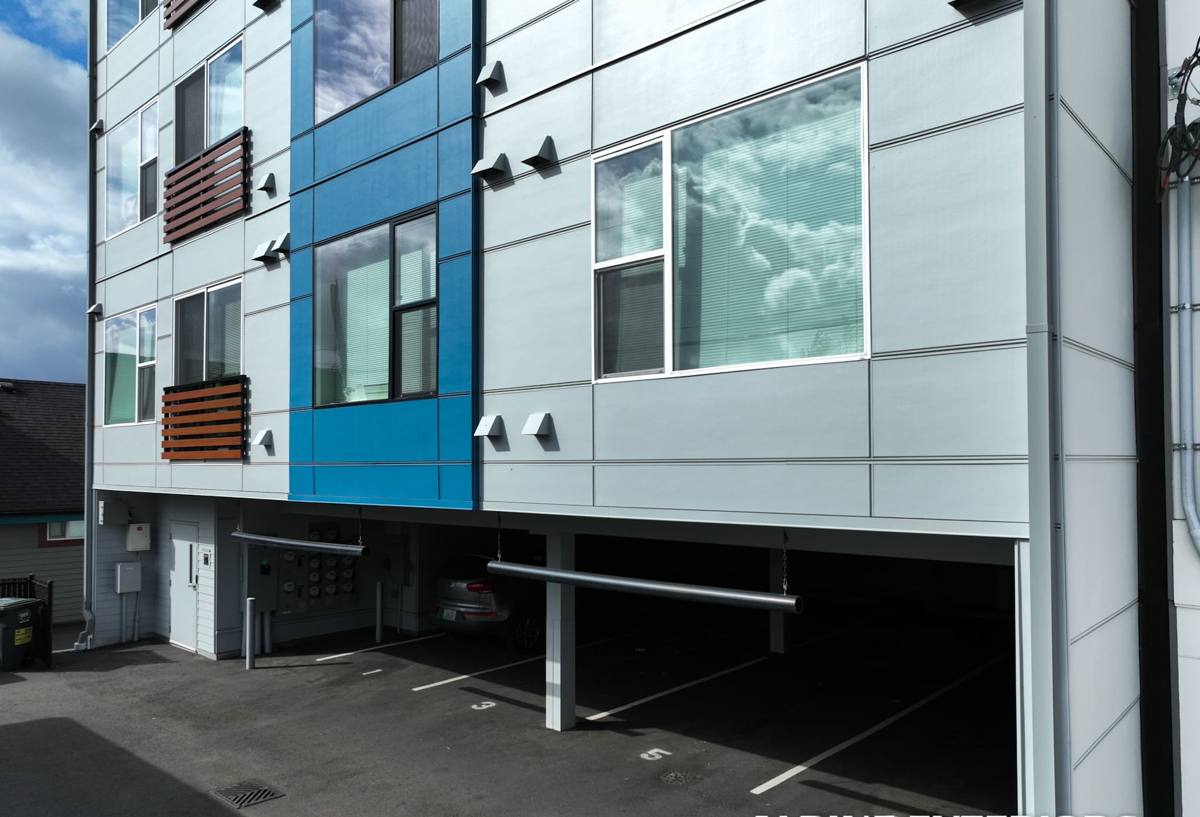
What Puget's Climate Actually Does to Siding
Salt Air
Airborne salt is corrosive to exposed metal fasteners, flashing, and trim components. Over years, it accelerates rust at any point where a fastener head, cut edge, or metal flashing is left uncoated or improperly sealed. It also breaks down cheaper paint films faster than inland exposure would, which is why the durability of a siding product's factory finish matters more here than the color itself.
Driving Rain
Wind-driven rain doesn't just fall on siding — it gets pushed sideways and upward into laps, seams, and penetrations. A siding system depends on more than the visible panel to keep water out; the weather-resistive barrier, flashing details, and lap geometry underneath do most of the real work. When those details are rushed or skipped, driving rain finds the gaps.
A Long Moss Season
Shaded north and west-facing walls, combined with the moisture this region holds onto for much of the year, give moss, algae, and mildew a long runway to establish themselves on any surface that stays damp. Porous or textured materials give these organisms more to hold onto, and once established, they trap additional moisture against the siding surface — compounding the problem over time.
What Correct Siding Installation Actually Involves
Good siding installation is mostly invisible once the job is finished — it's judged by what happens behind the wall, not just what the finished wall looks like. On a Puget home, a handful of details separate a job that holds up for decades from one that starts causing problems in five to ten years.
Weather-Resistive Barrier and Flashing
Every penetration — windows, doors, vents, hose bibs, light fixtures — needs to be flashed so water is directed out and away from the wall assembly, not trapped behind the siding. The weather-resistive barrier underneath the siding has to be lapped correctly, top over bottom, with no reverse laps that can funnel water inward.
Fastening and Clearances
Fiber cement siding has manufacturer-specified fastener patterns, spacing, and clearances from grade, roof lines, and adjoining surfaces. Skipping these clearances is one of the most common ways moisture gets a foothold — a bottom edge sitting too close to a deck, patio, or grade line will wick water regardless of how good the product itself is.
Trim, Corners, and Joints
Butt joints, corner boards, and trim transitions are where most siding leaks actually start. Correct installation seals and flashes these joints deliberately rather than relying on caulk alone to do the job over the long term.
Why We Install Only James Hardie Fiber Cement
We made a decision as a company to install one siding system — James Hardie fiber cement — and to stop installing vinyl, LP SmartSide, and other fiber cement alternatives. That's not a marketing position; it's a practical one, built around what actually holds up in a climate like this one.
Fiber cement is non-combustible, which matters for insurance and wildfire-adjacent building codes in Washington. It doesn't expand and contract with temperature swings the way vinyl does, so it holds paint lines and caulk joints better over time. And Hardie's ColorPlus factory finish is baked on under controlled conditions, which gives it better fade and chip resistance in salt-air exposure than field-applied paint typically achieves. Hardie also produces climate-engineered HZ product formulations specifically for high-moisture regions like the Pacific Northwest, rather than a single one-size-fits-all product sold nationwide.
None of that means installation quality stops mattering — fiber cement still needs correct flashing, clearances, and fastening to perform. But it gives us a product foundation that's engineered for exactly the conditions Puget homes face, backed by a strong transferable warranty when installed to the manufacturer's specification.
Our Installation Process, Start to Finish
- On-site assessment. We look at the existing wall assembly, any signs of past moisture intrusion, trim condition, and the specific exposure of each elevation — the side of a Puget home facing prevailing wind and rain needs the same product as the sheltered side, but the installation details around it deserve extra attention.
- Removal and inspection. Old siding comes off and we inspect the sheathing underneath for rot, soft spots, or prior water damage before anything new goes up. Problems found here get addressed, not covered over.
- Weather barrier and flashing. A new weather-resistive barrier is installed with correct laps, and flashing is installed at every window, door, and penetration before siding goes on.
- Hardie panel or lap installation. Siding is installed to manufacturer fastening specifications, with proper clearances maintained at grade, roofline, and deck or patio transitions.
- Trim and joint detailing. Corners, butt joints, and trim transitions are sealed and flashed rather than left to caulk alone.
- Final walkthrough. We review the completed work with the homeowner and cover what routine maintenance looks like going forward.
Choosing the Right Hardie Product and Color for This Setting
Hardie makes several siding profiles — lap siding, panel siding, and shingle-style siding — and all of them are viable options depending on the home's architecture. For Puget specifically, the bigger decision usually isn't profile, it's finish and color retention, since salt air and shaded moss-prone walls both put extra stress on a factory finish over time. ColorPlus finishes are formulated to resist fading and chipping better than field-painted siding, which is part of why we don't offer primed, job-site-painted alternatives as a standard option.
| Consideration | Why It Matters in Puget |
|---|---|
| Lap vs. panel profile | Both perform equally well against moisture when installed correctly; choice is mostly architectural |
| ColorPlus factory finish | Better fade and chip resistance under salt-air exposure than field-applied paint |
| Lighter vs. darker colors | Darker colors show water spotting and moss growth less than very light colors on shaded elevations |
| Texture (smooth vs. woodgrain) | Smoother textures hold less organic debris and are easier to keep clean on north-facing walls |
Cost Factors for a Puget Siding Installation
Every home is different, and we don't quote pricing without seeing the job, but a few factors consistently drive cost on projects in this area:
| Factor | Impact on Project |
|---|---|
| Extent of sheathing repair needed | Prior moisture damage found during tear-off can add scope before new siding goes up |
| Number of penetrations and trim transitions | More windows, vents, and architectural detail means more flashing and detail work |
| Home height and access | Multi-story homes and difficult access sites require more equipment and labor time |
| Profile and finish selection | Panel, lap, and shingle-style products carry different material costs |
| Existing siding removal | Full tear-off versus working with an already-clean wall assembly affects labor scope |
Maintenance After Your New Siding Goes Up
Fiber cement is low-maintenance compared to wood or vinyl, but "low-maintenance" doesn't mean "no maintenance" in a climate that supports moss and algae growth most of the year. A simple annual routine keeps siding performing the way it's designed to:
- Rinse siding annually with a garden hose to remove salt residue and organic buildup, especially on shaded or north-facing walls
- Avoid pressure washing directly into laps and seams, which can force water behind the siding
- Keep gutters clear so overflow doesn't run down the wall face
- Trim back vegetation and tree cover that keeps walls shaded and damp longer than necessary
- Check caulk lines at trim and penetrations periodically and have any cracked or missing caulk addressed
- Watch for early moss or algae growth and address it before it spreads across a wider area
Why Hiring a Crew That Already Works in Puget Matters
Siding installation isn't the same job everywhere in Washington. A crew that mostly works drier, inland areas may not think twice about the extra flashing detail a shaded, wind-exposed Puget wall needs, or about how much moss pressure a north-facing elevation will see two years after installation. Working regularly in Whatcom County means seeing the same climate conditions repeatedly — the same salt exposure, the same driving-rain patterns, the same moss growth on shaded walls — and building installation habits around them rather than treating them as an afterthought.
It also means being available if something needs a second look after the job is done, without a long drive standing in the way.
If you're planning a siding project in Puget, we're happy to walk the property, look at what your home is dealing with, and put together a straightforward, no-pressure estimate. There's no obligation — just an honest look at what correct installation would involve for your specific home.