 Glenhaven Siding
 Roofing in Sudden Valley Takes a Different Kind of Beating
Sudden Valley sits along Lake Whatcom in Whatcom County, and that setting shapes what a roof has to survive here. The community gets a long, wet cover of tree canopy over many lots, lake-effect humidity that keeps surfaces damp longer than they would be in a more open, sunny area, and the same driving rain and salt-tinged marine air that moves through the rest of Western Washington off the Sound. None of that is dramatic weather in the way a hailstorm or hurricane is. It is slow, steady, and cumulative — which is exactly why roof problems in this area tend to show up as moss colonies, soft or discolored decking, and quiet leaks around flashing rather than sudden storm damage.
A roof built or repaired without that pattern in mind will look fine for a season or two and then start failing in the same predictable spots: north-facing slopes that never fully dry out, valleys where debris collects, and any flashing that was sealed with caulk instead of properly lapped and fastened. Repairing a Sudden Valley roof correctly means addressing the cause of the wear, not just patching the spot where water finally got through.
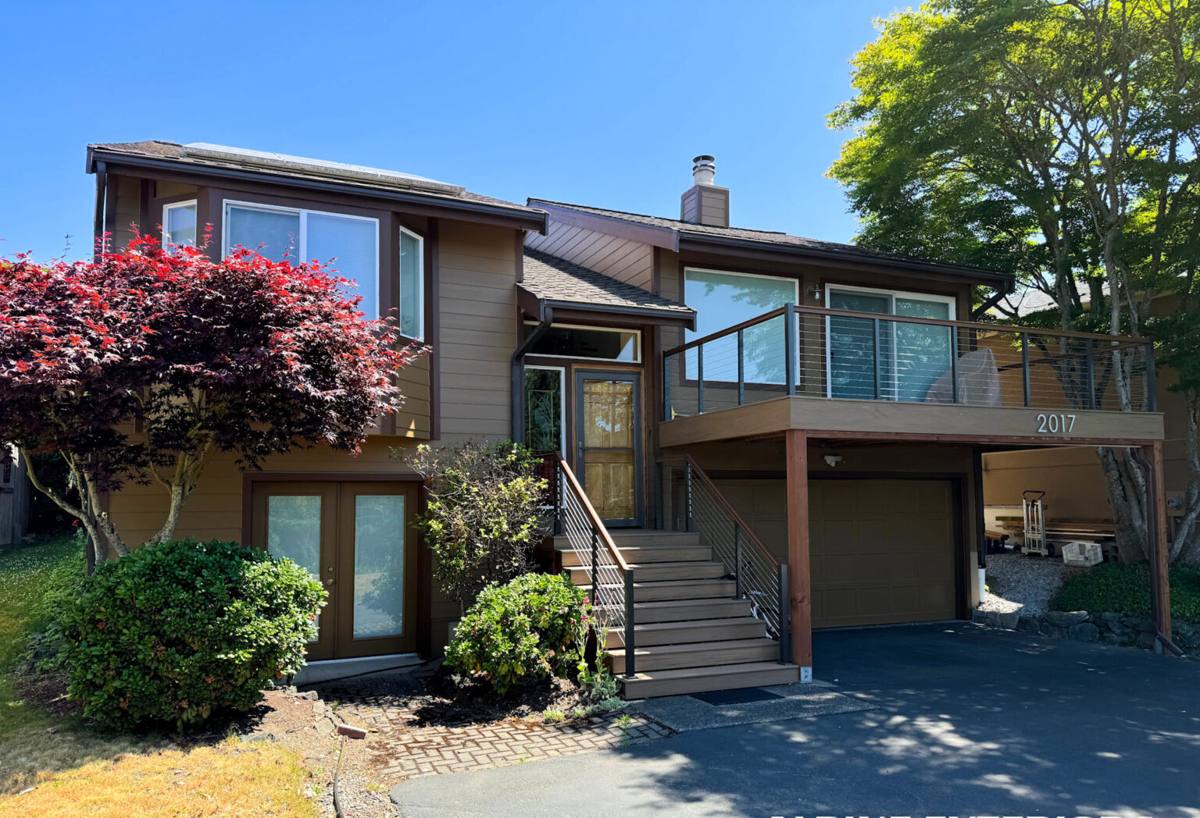
What the Local Climate Actually Does to a Roof
Moss and Organic Growth
Shaded, moisture-holding roof sections around Lake Whatcom are close to ideal moss habitat. Moss isn't just cosmetic — it holds water against shingles and roof decking far longer than open air would, lifts shingle edges as it grows, and traps organic debris that accelerates rot. A roof with an established moss season needs more than a one-time cleaning; it needs a repair approach that also reduces how fast moss can re-establish.
Driving Rain and Wind-Driven Moisture
Wind off the lake and the broader marine weather pattern pushes rain sideways into flashing, vents, and any gap in the underlayment. This is why leaks in this area so often trace back to flashing details — chimney step flashing, valley metal, skylight curbs — rather than the field of the shingles themselves.
Salt Air and Metal Fatigue
Even away from the immediate coastline, the region's marine air carries enough salt to accelerate corrosion on exposed fasteners, flashing, and gutter hardware over years of exposure. Unprotected or poorly coated metal components age faster here than the same materials would inland.
Signs a Sudden Valley Roof Needs Repair
Most roofs in this area don't fail all at once. They give warning signs, usually months before an active leak shows up indoors. Homeowners who catch these early save significant money over waiting for a ceiling stain to appear.
- Moss or thick moss growth concentrated on shaded or north-facing slopes
- Granules collecting in gutters or at downspout outlets
- Shingles that look cupped, curled, or have lifted edges
- Dark streaking or soft spots around chimneys, skylights, or roof-to-wall transitions
- Rusted or corroded flashing, vent boots, or exposed fasteners
- Daylight visible through the roof deck from inside the attic
- Sagging in any section of the roofline, which can indicate deck rot
Any one of these on its own may point to a straightforward repair. Several appearing together, especially combined with attic moisture, usually means it's time for a closer inspection before deciding what scope of work is actually needed.
What an Honest Roof Repair Actually Involves
A quality repair isn't just sealing the spot where water is currently getting in. It involves tracing the moisture path back to its source, which is sometimes several feet from where the leak shows up inside. Our approach on a repair call generally includes:
Diagnosis Before Anything Gets Touched
We inspect the roof surface, the flashing details, and — where accessible — the attic or roof deck from below, to confirm where water is actually entering rather than guessing based on where a stain appears.
Addressing the Cause, Not Just the Symptom
If moss has lifted shingles, the repair includes removing the growth and correcting the underlying moisture exposure where practical, not just replacing the damaged shingles and leaving the same conditions in place.
Flashing and Detail Work
Because this area's leaks so often originate at flashing, we treat flashing repair as its own line item — re-lapping, re-fastening, and replacing corroded metal rather than relying on sealant as a long-term fix. Sealant has its place, but it is a supplement to correct flashing work, not a substitute for it.
Matching Materials Correctly
Repaired sections need to match the existing roof's material, exposure, and fastening pattern closely enough that the repair performs — and looks — consistent with the rest of the roof, not like a visibly different patch.
Our Roof Repair Process
- Inspection and estimate. We look at the roof, identify the likely cause of the issue, and give you a clear, honest scope — including whether a targeted repair makes sense or whether the roof's overall condition means repair dollars would be better spent toward replacement.
- Scheduling around the weather. Roof repair work needs a dry window to do correctly. We plan the work for conditions that let us do the job right rather than rushing a patch in the rain.
- Repair execution. This includes moss and debris removal where relevant, deck inspection and replacement of any rotted sections, flashing correction, and matched material replacement.
- Cleanup and walkthrough. We clear debris from the property and gutters, and walk you through what was done and why.
Repair or Replace? What Actually Determines the Right Call
Not every roof issue in Sudden Valley needs a full replacement, and not every leak can be responsibly fixed with a patch. The honest answer depends on a few factors:
| Factor | Favors Repair | Favors Replacement |
|---|---|---|
| Roof age | Roof is well within its expected service life | Roof is near or past the manufacturer's expected lifespan |
| Extent of damage | Damage is isolated to one section or detail | Multiple areas show wear, moss, or granule loss |
| Roof deck condition | Deck is sound beneath the damaged area | Deck shows rot or soft spots in several locations |
| History of leaks | First or isolated issue | Recurring leaks in different spots over time |
| Moss/moisture pattern | Manageable with cleaning and targeted correction | Chronic moss return despite prior treatment |
We'll tell you plainly which category your roof falls into. A repair that's likely to fail again within a year or two isn't a good use of your money, and we'd rather say so upfront than sell a patch we don't believe in.
Materials and Standards We Hold to
For repair work, we match existing roofing materials whenever a good match is available, since mismatched materials age and weather differently and stand out over time. For flashing and fasteners, we prioritize corrosion-resistant metal given the region's marine air — this is a standard we hold to on every job in Whatcom County, not an upcharge we offer as an option. Where a roof's moss history is severe enough that cleaning alone won't hold, we'll discuss zinc or copper strip options as a preventive measure, along with the honest trade-off that they require correct placement to work and won't undo years of existing moss damage on their own.
Why a Crew That Already Works Sudden Valley Matters
Roof repair in this community isn't the same job as roof repair in a dry, open subdivision. A crew that regularly works around Lake Whatcom already knows which slopes in this kind of setting hold moisture longest, how tree cover affects a repair's durability, and what flashing details tend to fail first under this area's rain patterns. That local pattern recognition shortens diagnosis time and reduces the chance of a repair that looks complete but misses the actual cause. It also means we're a known, reachable crew if a repaired area needs a follow-up check — not a name from an app that did one job and moved on.
Simple Maintenance That Extends a Repair's Life
A correct repair lasts longer when it's paired with basic seasonal upkeep. Between service visits, this is what we recommend homeowners in Sudden Valley keep an eye on:
- Clear gutters and downspouts at least twice a year, more often under heavy tree cover
- Trim back branches that overhang the roof to reduce shade, debris, and moss pressure
- Look for moss starting on shaded slopes and address it before it spreads
- Check attic ventilation periodically — poor airflow keeps roof decking damp from underneath
- After major windstorms, do a visual check for lifted or missing shingles
None of this replaces a professional inspection, but it catches the small issues before they become repair calls.
Get a Straightforward Roof Repair Estimate
If you're seeing moss buildup, a slow leak, or flashing that looks worn, it's worth having it looked at before the next wet season makes it worse. We'll give you a clear, no-pressure estimate on what your roof actually needs — a targeted repair, or an honest conversation about replacement — based on what we find, not a sales script. Use the form below to request your free estimate.