 Glenhaven Siding
 Siding Built for Sehome's Weather, Not Just Its Curb Appeal
Sehome sits close enough to the water and the weather patterns of Whatcom County that siding here works harder than siding does in drier inland climates. Homes in this area deal with a combination that's tough on exterior building materials: salt-laden air moving in off the water, long stretches of driving rain that come sideways as often as straight down, and a moss season that can stretch from fall through spring in shaded, north-facing, or tree-covered lots. Any siding product installed in Sehome has to handle all three at once, year after year, without curling, swelling, or losing its finish.
We're a Glenhaven-based crew, and Sehome is inside our regular service area — not a neighborhood we drive into once and never see again. That matters more than most homeowners realize when it comes to exterior work, and we'll get into why later on this page. First, let's talk about what actually holds up here and what a correct fiber cement installation looks like.
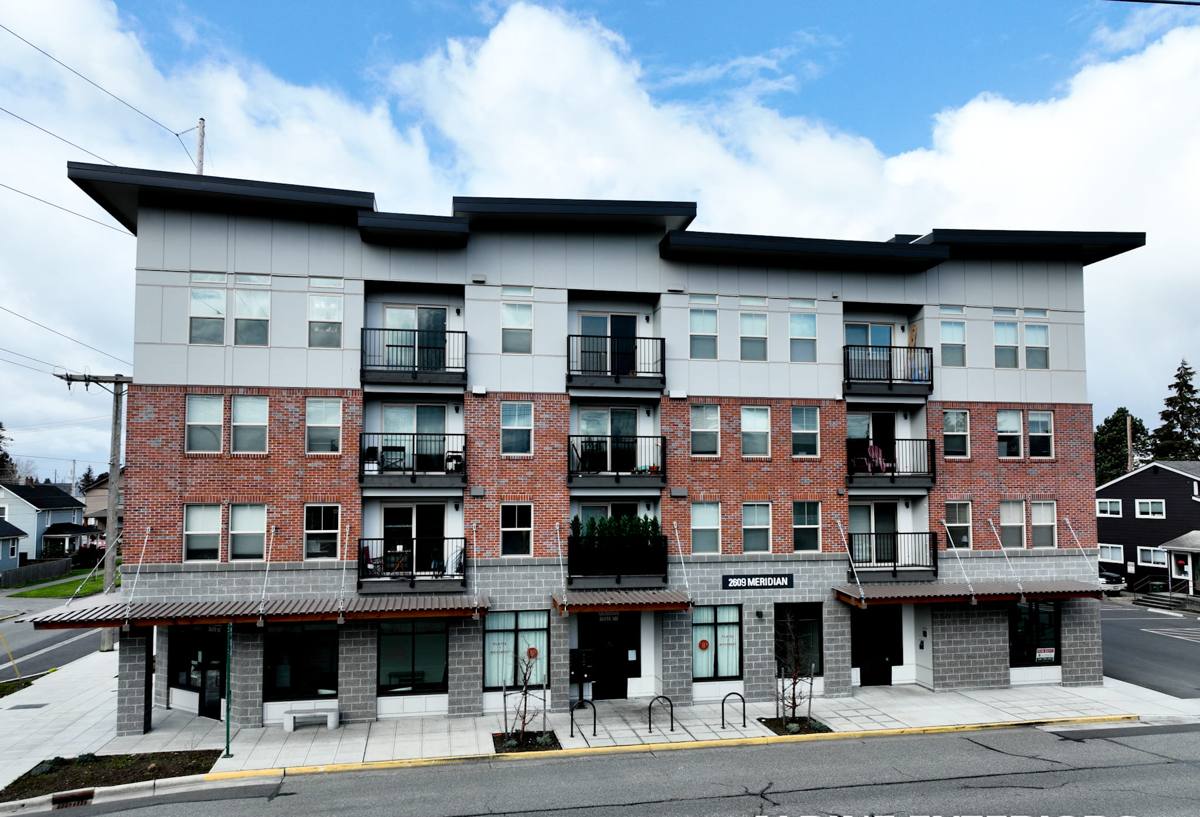
What Salt Air, Driving Rain, and Moss Season Do to Siding
Salt Air
Airborne salt is corrosive to exposed metal fasteners, trim flashings, and any hardware that isn't rated for coastal exposure. Over time it also degrades certain paints and coatings faster than inland weathering would, leading to chalking, fading, or finish breakdown well ahead of a manufacturer's expected service life. Products that rely on field-applied paint for their weather barrier are especially exposed to this — every coat is only as good as its adhesion, and salt air is hard on adhesion.
Driving Rain
Whatcom County's rain doesn't always fall straight down. Wind-driven rain pushes water sideways into laps, joints, and butt seams — the exact places where a siding system either sheds water or lets it in. This is a installation-detail problem as much as a material problem: even a good product fails early if the lap gauge, joint treatment, and flashing details behind it aren't done correctly.
Moss and Sustained Moisture
Shaded lots, mature tree cover, and north-facing walls in Sehome hold moisture longer than open, sun-exposed sites. That extended damp period is exactly what moss, algae, and mildew need to establish on siding surfaces and in trim details. Materials that absorb water or that swell and don't fully dry between rain events give moss more to grow on and more places to root into surface texture.
Why We Install Only James Hardie Fiber Cement
We standardized this company on James Hardie fiber cement siding and don't install vinyl, LP SmartSide, or other fiber cement brands. That's not a marketing position — it's a decision based on what holds up under the exact conditions Sehome sees. Fiber cement is non-combustible, dimensionally stable in wet-dry cycling, and doesn't feed moss and mildew the way wood-based or wood-fiber products can when moisture lingers.
Within fiber cement, James Hardie's HZ product lines are engineered for specific climate zones, and their ColorPlus finish is a factory-applied, baked-on coating rather than a job-site paint job. That distinction matters directly for salt-air exposure: a factory finish cured under controlled conditions holds up to UV and airborne salt more consistently than field-applied paint, and it comes with a stronger, more clearly defined warranty. We'd rather stand behind one product system we trust completely than offer several and let cost pressure quietly steer homeowners toward the wrong one for this climate.
What a Correct Fiber Cement Siding Job Actually Involves
Fiber cement siding is only as good as its installation. The material itself is durable, but nearly every early failure we see on fiber cement in this region traces back to installation shortcuts, not the product. A correct job includes:
- Proper water-resistive barrier and rainscreen or drainage plane behind the siding, so any moisture that gets past the cladding has somewhere to go
- Correct flashing at every window, door, and roof-to-wall intersection — the details that matter most against driving rain
- Manufacturer-specified fastener type, spacing, and clearance from siding edges to prevent cracking and to resist corrosion
- Proper lap gauge and butt joint treatment, including sealant only where the manufacturer calls for it and never as a substitute for correct flashing
- Minimum clearance between the bottom of the siding and grade, decks, patios, and roof lines to keep the material out of standing water and splash-back
- Field-cut edges primed or sealed per manufacturer spec, since factory finish only protects the surfaces that came from the factory
Skip any one of these and you can end up with a home that looks right for a year or two before water finds its way behind the cladding — and by then the damage is happening where you can't see it.
Our Process for a Sehome Siding Project
We run every project through the same sequence, adjusted for the specifics of the house:
| Step | What Happens |
|---|---|
| Site walk and assessment | We look at existing siding condition, moisture exposure, tree cover, and drainage around the foundation before quoting anything |
| Product and color selection | We help match the HZ product line and ColorPlus color to the home's sun and moisture exposure, not just aesthetics |
| Tear-off and substrate check | Old siding comes off and sheathing gets inspected for hidden rot or moisture damage before anything new goes up |
| Weather barrier and flashing | Water-resistive barrier, flashing, and drainage plane are installed and inspected before siding starts |
| Siding installation | Panels or lap boards installed to manufacturer spec for fastening, clearance, and joint treatment |
| Trim, caulking, and touch-up | Final trim work, factory-matched caulk where specified, and a walk-through with the homeowner |
Choosing the Right Hardie Product for Sehome's Exposure
Not every Sehome property has the same exposure. A home on an open, wind-exposed lot near the water has different needs than one tucked into mature tree cover a few blocks inland. We look at wind exposure, sun exposure, and moisture patterns on the specific lot before recommending a product line and profile — lap siding, panel systems, and shingle-style products all behave a little differently under sustained wet-dry cycling. Color selection matters too: darker ColorPlus finishes hold up fine but absorb more heat and can show dust and pollen differently than lighter tones, which is worth factoring in on a heavily shaded, damp lot where things stay dirty longer between rains.
Cost Factors for a Sehome Fiber Cement Project
Every home is different, but the same factors tend to move the price on Sehome projects:
| Factor | Why It Matters |
|---|---|
| Tear-off scope | Removing old vinyl or wood siding costs more than siding over an already-sound substrate (when code and condition allow it) |
| Substrate repair | Hidden rot or moisture damage found during tear-off adds carpentry work before new siding can go up |
| Home height and access | Two-story walls, steep grades, and limited access add labor and equipment costs |
| Trim and detail complexity | Homes with more windows, dormers, and roof intersections need more flashing and trim labor |
| Product line and profile | HZ product lines and specialty profiles vary in material cost |
We give straightforward, itemized estimates so homeowners can see exactly what's driving the number rather than a single lump-sum figure.
Maintenance That Actually Matters in This Climate
Correctly installed James Hardie siding is low-maintenance, but "low" isn't "none," especially with Sehome's moss season and salt exposure. A short seasonal checklist goes a long way:
- Rinse siding annually with a garden hose (not a pressure washer aimed directly at seams) to clear salt residue, pollen, and early moss growth
- Keep gutters clear so overflow doesn't run down the siding face and create a constant damp strip
- Trim back tree branches and shrubs that keep siding shaded and damp longer than the rest of the house
- Inspect caulking at trim joints and penetrations once a year and have any cracked or missing sealant addressed promptly
- Watch for moss or algae getting a foothold in shaded corners and address it early, before it spreads across a wider area
Why Hiring a Crew That Already Works Sehome Matters
A crew that regularly works in Sehome already understands the exposure patterns on different streets, which lots hold moisture longest, and which details tend to need extra attention on this side of Whatcom County. That local pattern recognition shows up in small decisions — where to add extra flashing attention, which product line to steer toward on a shaded lot — that a crew unfamiliar with the area might not think to make. It also means we're a short drive away if a warranty question or a post-installation concern ever comes up, not a contractor who's moved on to a job three counties over.
If you're planning a siding project in Sehome, we're happy to walk the property, talk through what your home's specific exposure calls for, and give you a straightforward, no-pressure estimate. There's a form below this page — reach out and we'll set up a time to take a look.