 Glenhaven Siding
 Siding Replacement Built for Barkley's Weather, Not Just Its Curb Appeal
Barkley homes sit in one of the more exposed pockets of the Glenhaven area, and the siding on those homes works harder than most homeowners realize. Between salt-laden air moving in off the water, driving rain that hits siding sideways during winter storms, and a moss season that can stretch for months, the exterior envelope in this part of Whatcom County takes a steady, cumulative beating. Siding that looks fine from the curb can be quietly failing underneath, and by the time problems show up as visible damage, the sheathing and framing behind it may already be compromised.
We install James Hardie fiber cement siding exclusively, and Barkley is one of the neighborhoods where that decision matters most. This page covers what local homes actually need from a siding replacement, what a correct installation involves, and why hiring a crew that already understands this specific area's exposure conditions is worth more than it sounds.
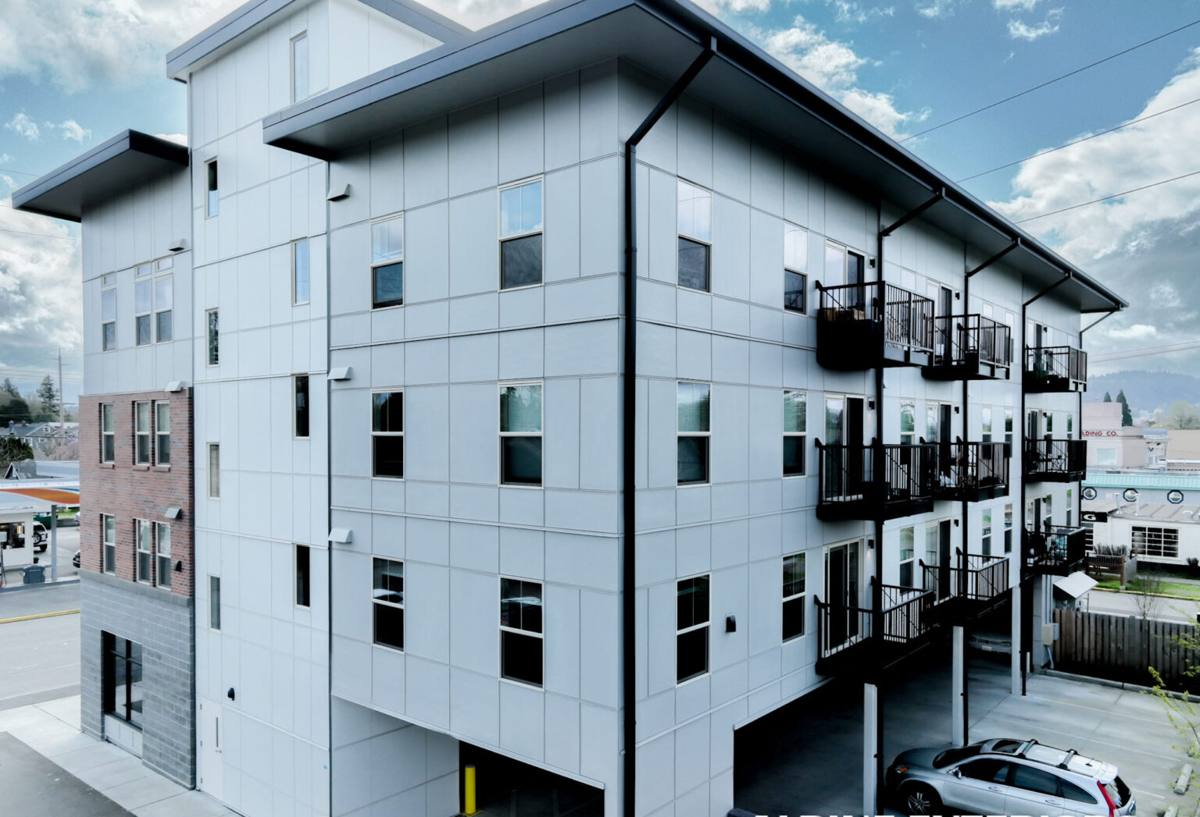
What Barkley's Climate Actually Does to Siding
Salt Air and Slow Corrosion
Coastal and near-coastal air in Whatcom County carries salt that settles on exterior surfaces, fasteners, and trim. Over years, that salt exposure accelerates the breakdown of materials that aren't built to handle it — wood swells and checks faster, some engineered wood products degrade at the edges and fastener points, and paint finishes chalk and fade sooner than they would inland. Fiber cement doesn't corrode and isn't organic material salt can feed on, which is a big part of why it holds up better in this specific setting.
Driving Rain and Wind-Driven Moisture
Rain in this region doesn't just fall — it's frequently pushed sideways by wind off the water, which means it hits vertical wall surfaces, laps, and seams with real force. Any siding system with weak seams, poor lap coverage, or moisture-sensitive edges is going to lose that fight eventually. Water finds the smallest gap and works it wider over time.
Long Moss and Algae Season
Shade, humidity, and mild temperatures give moss and algae a long growing window here — often most of the year on north-facing and shaded wall sections. Moss holds moisture against the siding surface, and that constant dampness is hard on any product that isn't dimensionally stable or that absorbs water into its core.
Why This Isn't a Generic Siding Job
A Barkley home built or last re-sided a couple decades ago is dealing with different exposure than a home installed today. Products, wraps, and fastening standards have improved, and what was "good enough" siding practice in the past often didn't fully account for the sideways rain and sustained dampness typical of this area. A siding replacement here isn't just a cosmetic upgrade — it's a chance to correct the moisture management that should have been in place from the start.
We also see a pattern specific to shaded, moss-prone lots: siding that looks structurally sound on the sunny side of a house can be soft, delaminating, or rotting on the shaded side, where moss has been sitting against it undisturbed for years. A proper inspection during replacement checks every elevation independently, not just the side that's easy to see from the street.
What a Correct Siding Replacement Involves
Replacing siding correctly is a sequence, and skipping steps is where most premature failures start. Here's what we do on every Barkley project:
- Full removal of existing siding and trim, not overlay installation over old material.
- Inspection of the sheathing and framing underneath for rot, soft spots, or prior water damage, with repairs made before anything new goes up.
- Installation of a weather-resistive barrier and, where called for, a rainscreen or drainage gap so any moisture that gets behind the siding has somewhere to go.
- Correct flashing at every window, door, roofline, and penetration — this is the single most common failure point in poorly done siding jobs.
- Installation of James Hardie panels or lap siding per manufacturer fastening and clearance specifications, including proper ground clearance and gutter/roof line clearances.
- Factory-finished ColorPlus trim and caulking at the joints that require it, done to Hardie's application standards.
- Final walk-through so you understand what was done and why.
Every one of these steps matters more in a high-exposure area like Barkley than it would somewhere drier and more sheltered. A rainscreen gap, for example, is the difference between incidental moisture drying out harmlessly and moisture sitting against the wall assembly for weeks.
Why We Only Install James Hardie
We made a deliberate call to standardize on James Hardie fiber cement and not offer vinyl, LP SmartSide, primed spruce, cedar, or other fiber cement brands. That's not a marketing position — it's based on how these products actually perform in conditions like Barkley's.
| Factor | What It Means Locally |
|---|---|
| Moisture behavior | Fiber cement doesn't absorb and swell the way wood-based products can, which matters given the moss season and driving rain here. |
| Non-combustible | Hardie panels are non-combustible fiber cement, which is a meaningful long-term durability and insurance consideration regardless of climate. |
| Finish durability | ColorPlus factory finish is baked on and warranted against fading and peeling, which holds up better against salt air and UV than field-applied paint. |
| Dimensional stability | Fiber cement expands and contracts far less than wood products with humidity swings, reducing joint and caulk failure over time. |
| Product engineering | Hardie's HZ5 product line is engineered for regions with more moisture and freeze-thaw cycling, which fits Whatcom County's weather profile. |
We're not saying every alternative product is unusable everywhere — some perform reasonably well in drier, more sheltered climates with disciplined maintenance. But in a salt-air, high-rainfall, moss-heavy environment like Barkley, the maintenance burden and moisture risk of wood-based and vinyl alternatives is high enough that we don't put our name on that installation. Hardie is what we've standardized on because it's what we're confident will still look and perform well a decade or two out, with a strong transferable warranty behind it if something does go wrong.
Signs a Barkley Home Needs Siding Replacement Soon
- Soft or spongy spots when you press on the siding, especially near the bottom courses or under windows.
- Persistent moss or algae growth that keeps returning within weeks of cleaning.
- Visible warping, buckling, or gaps opening up at seams and corners.
- Paint that's peeling, bubbling, or chalking faster than a normal repaint cycle would explain.
- Musty smells or discoloration on interior walls that back up to exterior siding.
- Fastener heads showing rust streaks or backing out of the siding surface.
- Siding that's original to a home more than 20-25 years old, especially on shaded or north-facing walls.
If you're seeing more than one of these, it's worth having someone look before it turns into a sheathing or framing repair, which costs considerably more than siding alone.
What Affects the Cost of a Siding Replacement
| Cost Factor | Why It Matters |
|---|---|
| Home size and wall complexity | More square footage, corners, and roof intersections mean more material and labor. |
| Condition of what's underneath | Rotted sheathing or framing found during tear-off adds repair scope before new siding can go up. |
| Siding profile chosen | Lap siding, shingle-style panels, and board-and-batten from the Hardie lineup carry different material and labor costs. |
| Trim and detail work | Window and door trim, fascia, and corner details add labor time relative to a simple flat-wall job. |
| Site access | Tight lots, slopes, or limited staging area can add time for scaffolding and material handling. |
We give firm, itemized quotes after seeing the home in person — broad national averages don't account for the tear-off condition or wall complexity that actually drives most of the cost variance on a given house.
Why a Crew That Already Works Barkley Is Worth Choosing
Siding installation standards don't change by neighborhood, but judgment calls do. Knowing which elevations in this pocket of Whatcom County tend to hold moss longest, where wind-driven rain hits hardest based on lot orientation, and how a particular street's tree cover affects drying time all come from having done the work here before. A crew that's replaced siding on other Barkley homes isn't guessing about clearances, flashing details, or drainage planning — they're applying what's already worked on houses facing the same exposure yours does.
There's also a practical service angle: a local crew is easier to reach if a warranty question comes up years down the road, and they're not learning the area's quirks on your project.
Get an Estimate
If your Barkley home's siding is showing its age, or you just want an honest read on its condition, we're happy to take a look. Estimates are free, there's no pressure, and you'll get a straight answer about what your siding actually needs — whether that's full replacement now or a few more years of life left in it.