 Glenhaven Siding
 Storm Damage Roof Repair Built for Silver Beach Conditions
Silver Beach sits close enough to open water that its roofs take a different kind of beating than homes further inland. Between salt-laden air, wind-driven rain off winter storms, and a moss season that runs longer than most homeowners expect, roofs here age faster than the manufacturer's warranty label would suggest. When a storm rolls through Whatcom County and knocks loose a section of shingles, lifts flashing, or drives water under a ridge cap, the repair needs to account for all of that — not just patch the visible damage and move on.
This page covers what storm damage roof repair actually looks like for a Silver Beach home: what to watch for after a storm, what a correct repair involves, and how our process works from the first call to the final inspection.
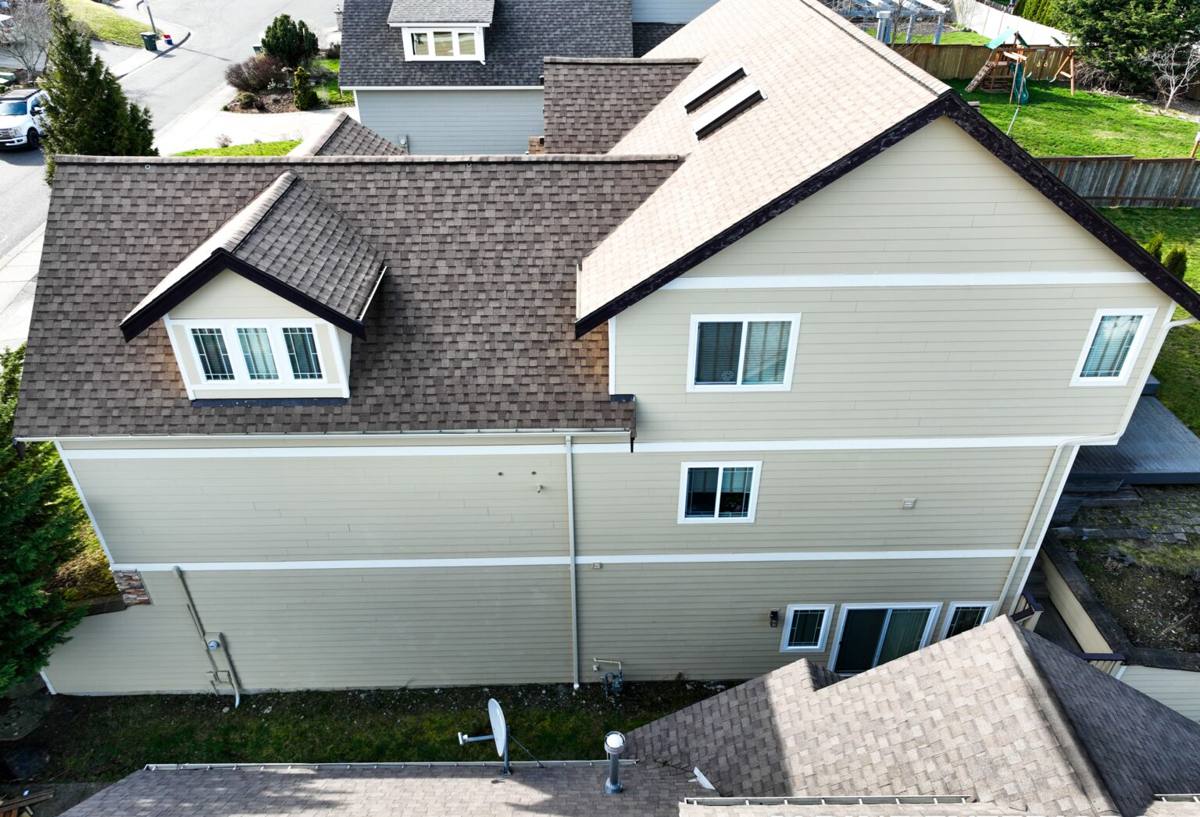
How Storm Damage Shows Up on Silver Beach Roofs
Not all storm damage is obvious. Some of it announces itself immediately — a tarp-worthy hole, a section of shingles peeled back, a gutter torn loose. Other damage sits quietly for months and shows up later as a stain on a ceiling or a soft spot in the decking.
Wind and Wind-Driven Rain
Whatcom County storms rarely bring the straight-line wind gusts you'd see further east, but the combination of moderate wind and heavy, sustained rain is its own problem. Wind doesn't have to tear shingles off to cause damage — it just has to lift an edge enough for rain to get pushed underneath. On a lakeside or waterfront property like Silver Beach, that wind-driven rain component is worse than in more sheltered parts of Glenhaven, because there's less tree cover and open sightlines to break up gusts before they hit the roof.
Salt Air and Metal Fatigue
Salt air doesn't just affect siding and fixtures — it accelerates corrosion on exposed roof metal: flashing, nail heads, gutter hardware, and vent caps. A fastener or flashing seam that would last 20+ years inland can start failing well before that near the water, and a corroded fastener under stress from wind is far more likely to let go during a storm.
Moss and Trapped Moisture
Glenhaven's long, wet moss season adds a slower kind of damage that makes storm damage worse when it hits. Moss holds moisture against the roof surface, works its way under shingle edges, and lifts them slightly over time — which means a shingle with moss growth is already more vulnerable to wind and rain than a clean one. A lot of what looks like "storm damage" on an older Silver Beach roof is really storm damage finding a weak point that moss created months earlier.
What a Correct Storm Damage Repair Actually Involves
A rushed repair after a storm often causes a second, avoidable repair a year or two later. Doing it right takes a few more steps but holds up.
1. A Full Roof Inspection, Not Just the Obvious Spot
We start by inspecting the whole roof, not just the area you called about. Wind and rain damage is rarely isolated to one spot — if one section lifted, nearby areas usually took stress too, even if they haven't failed yet. We check the attic or roof deck from underneath where possible, since water intrusion often shows up there before it's visible from the outside.
2. Emergency Protection First
If there's active water intrusion or exposed decking, the first priority is stopping further damage — tarping, temporary flashing, or sealing an opening — before we plan the permanent repair. This matters most during Whatcom County's wetter months, when leaving a roof exposed for even a day or two invites more damage.
3. Matching Materials and Colors
A patch repair that doesn't match the surrounding roofing is a cosmetic problem now and a maintenance problem later, since mismatched materials can age and weather differently. We source materials that match the existing roof as closely as possible, and we're upfront when an exact match isn't available so you can decide how to handle it.
4. Flashing and Underlayment, Not Just Shingles
Most storm-related leaks trace back to flashing — around chimneys, vents, valleys, and roof-to-wall transitions — rather than the field of the roof itself. A repair that replaces damaged shingles but ignores compromised flashing or underlayment underneath will leak again in the next storm. We replace what's actually failed, not just what's visible.
Our Process, Start to Finish
- Call or request an estimate. Tell us what you're seeing — a leak, missing shingles, storm damage from a specific event — and we'll schedule an inspection.
- On-site inspection and honest assessment. We walk the roof (weather permitting) and check the interior/attic for water intrusion, then explain what we found in plain terms.
- Written estimate. You get a clear scope of work and price before anything starts — no surprise add-ons once we're on the roof.
- Repair work. Most storm damage repairs on a Silver Beach home are completed in a day; larger sections or extensive flashing work may take longer.
- Final walkthrough. We show you the completed repair and explain what was done, so you know exactly what's under the new material.
Repair vs. Replace: How We Help You Decide
Storm damage doesn't always mean a full roof replacement, but sometimes it's the right call — especially if the roof was already near the end of its service life or has widespread moss damage underneath the storm damage. We'll always give you our honest read on which makes more sense.
| Factor | Points Toward Repair | Points Toward Replacement |
|---|---|---|
| Roof age | Under 10-12 years, or recently replaced | Near or past expected service life |
| Damage extent | Localized to one section or slope | Multiple sections, or found across the whole roof |
| Underlying condition | Decking and underlayment sound elsewhere | Widespread moss damage or soft decking found during inspection |
| Material availability | Matching shingles/materials still available | Discontinued material, poor match likely |
| History | First storm-related repair | Repeated leaks or repairs in recent years |
Materials and Fasteners: Why We Don't Cut Corners Near the Water
For a property in a waterfront-adjacent area like Silver Beach, the fasteners and flashing we use matter as much as the shingles themselves. We favor corrosion-resistant fastener and flashing options for roofs in salt-air exposure, since standard hardware can start showing rust and fatigue years ahead of schedule in this environment. It costs a little more up front, but it's a straightforward trade-off: better hardware now versus another repair call in a few years when a fastener fails during the next storm.
The same logic applies to moss control. We don't just clear existing moss during a repair — where it makes sense, we'll talk with you about zinc or copper strip options that help slow regrowth, since Glenhaven's moss season is long enough that a one-time cleaning doesn't solve the underlying issue.
Working With Your Insurance on a Storm Claim
Many storm damage repairs are covered, in whole or part, by homeowner's insurance — but coverage depends on your policy, the cause of damage, and your insurer's assessment. We're not a public adjuster and we don't handle your claim for you, but we can provide a clear, documented inspection report and photos that you can submit to your insurer, and we're happy to answer a claims adjuster's questions about the scope of repair. Getting a professional assessment soon after a storm, before damage has a chance to worsen, generally strengthens a claim rather than weakens it.
After a Storm: What to Do (and What to Avoid)
- Do document visible damage from the ground with photos before anything is repaired or covered.
- Do check your attic or upper-floor ceilings for staining or dampness in the days following a storm.
- Do call for an inspection promptly — small entry points get worse with every additional rain event.
- Don't get on the roof yourself to inspect or "fix" storm damage; wet, moss-covered roofing is genuinely dangerous footing.
- Don't assume a roof is fine just because there's no visible leak yet — flashing and underlayment damage can take weeks to show up inside the house.
- Don't wait for the next storm to schedule a repair; compromised areas fail faster the second time.
Why a Crew That Already Works Silver Beach Matters
A contractor who mainly works inland can still do competent roof repair, but they may not think in terms of salt-air fastener corrosion, waterfront wind exposure, or how aggressively moss establishes itself this close to the lake. Those details change what "correct repair" looks like. We work throughout Glenhaven and Whatcom County, and jobs in and around Silver Beach are a regular part of that — which means we're not guessing at how this specific stretch of roofing weathers a storm season; we've seen it firsthand and repaired it accordingly.
If your Silver Beach roof took damage in a recent storm, or you want an inspection before the next one rolls through, we're glad to take a look. Fill out the form below for a free, no-pressure estimate — we'll give you a straightforward read on what's needed and what it costs.