 Glenhaven Siding
 Storm Damage Roof Repair Built for Sudden Valley's Conditions
Sudden Valley sits in a heavily wooded, lakeside setting on Lake Whatcom, and that setting shapes what a roof there actually goes through every year. Tall conifers overhang a lot of rooflines, storms roll through with driving rain and gusty wind, and the shade those same trees provide keeps roof surfaces damp long after a storm has passed. In Whatcom County, that combination of marine-influenced weather and heavy tree cover means storm damage doesn't always look dramatic. Sometimes it's a handful of lifted shingles and a soft spot in the underlayment rather than a hole you can see from the driveway.
This page covers storm damage roof repair specifically for homes in and around Sudden Valley — what the local climate does to a roof, what a correct repair actually involves, and how we handle the job from the first call to the final inspection.
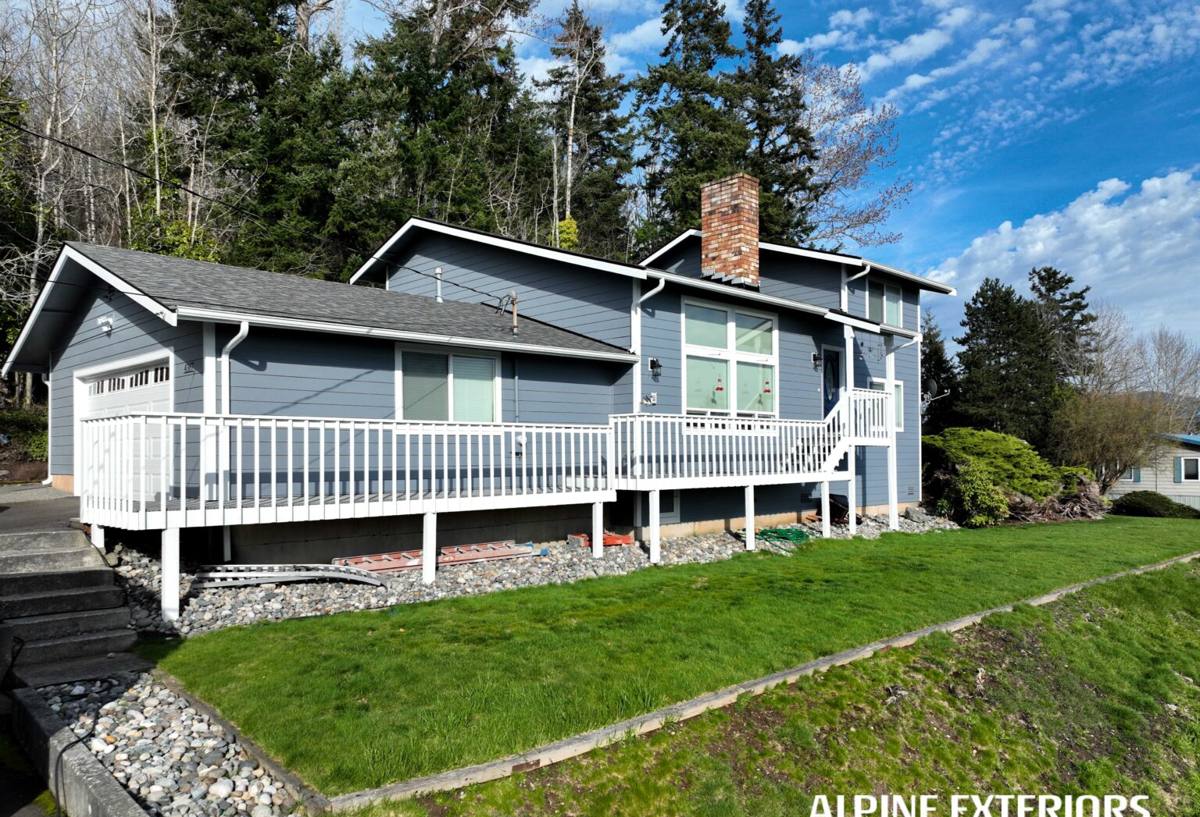
What Local Storms Actually Do to a Roof
Most storm damage in this area isn't one big event — it's the accumulation of several smaller ones over a wet season. A few patterns show up again and again on roofs we look at around the lake:
Wind and Driving Rain
Winter storms moving through Whatcom County often bring sideways rain rather than straight-down rain. That matters because driving rain finds its way under shingle tabs, around flashing edges, and into nail penetrations that a calm-weather roof would shed just fine. Wind gusts, especially where a roofline is exposed to a gap in the tree line or an open stretch near the water, can lift or crease shingles without ever tearing them off outright — which is exactly the kind of damage that's easy to miss from the ground.
Falling Debris
Sudden Valley's tree cover is part of what makes the neighborhood attractive, but mature conifers drop limbs and cones in every storm, and a hard windstorm can bring down larger branches. Even debris that doesn't puncture the roof deck can crack shingles, tear off granules, or dislodge flashing around vents and chimneys.
Moss and Trapped Moisture
Shade from surrounding trees keeps north-facing slopes and valleys damp for long stretches of the year, which is exactly what moss needs to take hold. Moss itself doesn't just sit on top of shingles — its root structure lifts shingle edges and holds water against the roof surface, which is often what turns ordinary storm wear into a slow leak.
Signs Your Roof Took Storm Damage
After any significant windstorm or heavy rain event, it's worth doing a quick visual check from the ground and inside the attic if you can access it. Look for:
- Shingles that look lifted, curled, or out of alignment with the rest of the roof plane
- Granules collecting in gutters or at the base of downspouts
- Bent, creased, or missing flashing around chimneys, vents, and skylights
- New or growing moss patches, especially on shaded, north-facing slopes
- Water stains or discoloration on ceilings or in the attic after a storm
- Sagging or soft-feeling spots anywhere on the roof deck
- Debris — branches, needles, cones — built up in valleys where water should be draining freely
None of these guarantee major damage on their own, but any of them are reason enough to have a roof looked at rather than waiting for a leak to show up indoors.
What a Correct Storm Damage Repair Involves
Inspection and Documentation
A proper repair starts with getting on the roof, not just looking at it from the yard. That means checking the shingle field, all flashing points, and the attic side of the deck for moisture intrusion that hasn't reached the ceiling yet. We document what we find with photos, because that record matters both for a clear repair scope and for any insurance claim you decide to file.
Stopping Further Water Intrusion
If a storm has left an active leak or exposed deck, the first priority is a temporary, weather-tight cover — tarping or emergency sealing — so the interior of the home and the roof deck itself aren't taking on more water while a full repair is scheduled.
Matching Materials, Not Just Patching Them
A repair that uses the wrong shingle profile, color lot, or nailing pattern stands out visually and can create a weak seam where old and new materials meet. We match the existing roofing as closely as the situation allows, and we're upfront when an exact match isn't possible — for example, if the original shingle line has been discontinued — so you can decide how to handle it before work starts.
Repair Versus Replacement
Not every storm-damaged roof needs a full replacement, and we won't sell one where a targeted repair will hold up. The deciding factors are usually the age of the roof, how much of the deck is affected, and whether the damage is isolated or scattered across multiple slopes.
Repair vs. Replacement: What Actually Drives the Decision
| Factor | Leans Toward Repair | Leans Toward Replacement |
|---|---|---|
| Roof age | Under 10–12 years | Approaching or past expected shingle life |
| Extent of damage | Isolated to one slope or area | Scattered across multiple slopes |
| Underlying deck condition | Deck is dry and sound | Deck shows rot or soft spots |
| Moss and moisture history | Recent, treatable growth | Long-term moss with lifted shingles in several areas |
| Material availability | Close match available | Original shingle discontinued, mismatch would be obvious |
We walk through this with you on the roof, not over the phone, because the right call depends on what we actually find once we're up there.
How Our Process Works
- You call or request an estimate, and we schedule a roof inspection — sooner if there's an active leak.
- We inspect the full roof, not just the area you noticed, since storm damage often shows up in more than one spot.
- We give you a written scope and honest price range before any work begins, including whether we recommend repair or replacement and why.
- If there's active water intrusion, we handle temporary protection first so the interior and deck are safe.
- We complete the repair with matched materials and correct flashing detail, then walk the roof with you afterward.
Storm Damage and Insurance Claims
Many storm damage repairs in this area end up going through a homeowner's insurance policy, especially when wind or falling debris is involved. We're not insurance adjusters and won't promise a claim outcome, but we can provide the photo documentation and written scope of damage that adjusters typically need to evaluate a claim fairly. If you're planning to file, it's worth having that documentation done before any temporary repairs disturb the damaged area, so the original condition is clearly on record.
Why It Matters Who You Hire for This
Storm damage repair is easy to do poorly and hard to spot as poorly done — a mismatched shingle or a flashing detail sealed with the wrong product can look fine for a season and then fail the next time driving rain hits it. A crew that already works in Sudden Valley knows the roof pitches, tree cover, and moisture patterns typical of the neighborhood, and that familiarity shows up in faster, more accurate diagnosis rather than guesswork. It's also worth knowing that many homes in Sudden Valley fall under a homeowners association with its own review process for exterior work, so it helps to work with a contractor who's used to accounting for that step rather than treating it as an afterthought.
Whatcom County's roofing licensing and permitting requirements apply the same way here as anywhere else in the county — confirm any contractor you hire carries current state contractor registration and liability insurance, and ask to see it. That's a baseline, not a favor.
Reducing Future Storm Damage
A repair fixes what already happened; a few maintenance habits reduce how often it happens again:
- Keep gutters and downspouts clear, especially after wind events that knock needles and cones loose
- Have overhanging limbs trimmed back from the roofline where it's safe to do so
- Address moss while it's light growth rather than waiting for it to spread and lift shingles
- Schedule a roof check after any storm with sustained high wind, not just after visible damage appears
If you're dealing with storm damage in Sudden Valley or just want a roof checked after a recent windstorm, we're glad to come take a look. Use the form below to request a free, no-pressure estimate, and we'll give you an honest read on what — if anything — needs to be done.