 Glenhaven Siding
 Board & Batten Siding, Built for Whatcom Falls
Board and batten is one of the most requested siding profiles in the Whatcom Falls area, and it's easy to see why. The vertical lines read as clean and modern on newer builds, but the same profile also suits the farmhouse and craftsman styles common on older homes in this part of Whatcom County. It's a look that photographs well and holds up visually for decades when it's installed correctly. The problem is that "installed correctly" is doing a lot of work in that sentence, especially in a climate like ours.
We're a local crew that works in and around Glenhaven regularly, including Whatcom Falls, so we're not guessing at what this siding needs to survive here. We see the same failure patterns on the same style of homes year after year, and we build our board and batten installs specifically to avoid them.
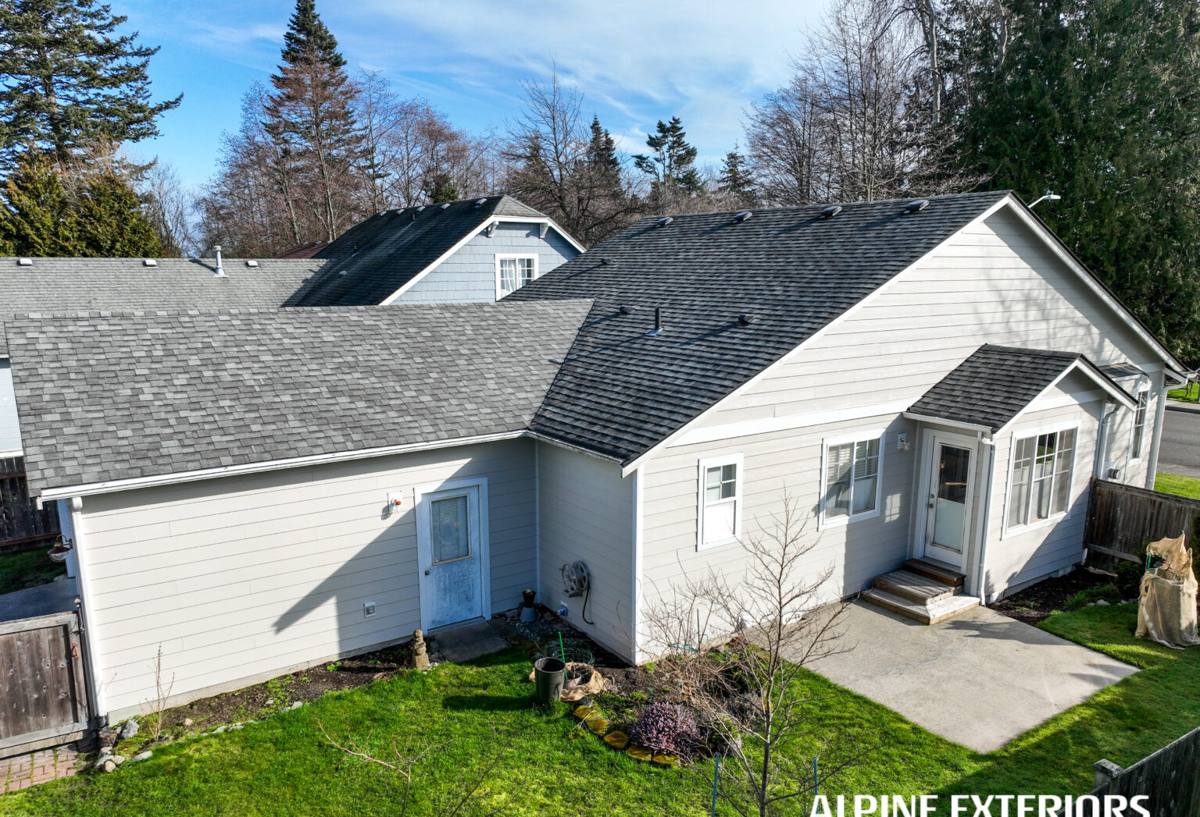
What This Climate Does to Vertical Siding
Whatcom Falls sits close enough to marine air and inland waterways that salt exposure is a real factor, even for homes that aren't directly waterfront. Salt-laden moisture accelerates corrosion on fasteners and metal trim, and board and batten siding relies on a lot of both — every batten strip is another line of fastener heads and another joint where water can find a way in if the details aren't right.
Add in Whatcom County's driving rain, which comes in sideways during winter storms rather than falling straight down, and you've got wind-driven moisture testing every seam, joint, and butt end on the wall. Vertical board and batten has more vertical seams per square foot than horizontal lap siding, so poor water management shows up faster and in more places.
Then there's moss season, which in this region runs longer than most homeowners expect. Shaded walls, especially north- and east-facing elevations near mature trees, stay damp for extended stretches. Moss and algae don't just look bad — they hold moisture against the siding surface and, on the wrong substrate, that constant dampness leads to swelling, soft spots, and paint failure over time.
None of this means board and batten is a bad choice for Whatcom Falls. It means the material and the installation both have to be matched to what this climate actually does, not just what looks good on a sunny installation day.
What a Correct Board & Batten Installation Involves
A Real Drainage Plane
Board and batten should never go up flat against the sheathing with nothing behind it. We install a water-resistive barrier and a rainscreen gap so that any moisture that gets past the outer siding layer has somewhere to drain and dry out instead of sitting against the wall. This matters more with vertical profiles than horizontal ones, because vertical seams give water a straighter path downward if there's no drainage plane to intercept it.
Fastening Pattern and Batten Spacing
Batten spacing isn't just an aesthetic choice — it affects how the panels beneath expand, contract, and shed water. We follow manufacturer-specified spacing and fastener placement rather than eyeballing it, and we use corrosion-resistant fasteners suited to our salt-air exposure. Cutting corners on fastener quality is one of the most common causes of premature staining and streaking we see on older installs in this area.
Flashing and Trim Details
Every window, door, and roofline intersection on a board and batten wall is a place where water wants to get behind the siding. Proper flashing at these transitions, plus correctly detailed trim, is what actually keeps a wall dry — the siding material itself is only part of the system.
Joints and Butt Ends
Panel and batten joints need to be treated correctly, whether that's a factory ColorPlus edge, field-cut and sealed appropriately, or shiplapped per spec. Raw, unsealed cut ends are one of the fastest ways moisture gets into fiber cement, and it's a detail that's easy to rush on a job site.
Why We Install Only James Hardie for This Look
We don't offer board and batten in vinyl, LP SmartSide, primed spruce, cedar, or other fiber cement brands. That's a deliberate standard, not a limitation of what we're capable of installing. James Hardie is the only board and batten system we've found that consistently holds up to the combination of salt air, driving rain, and long damp seasons that define this climate.
Non-Combustible, Climate-Engineered Material
Hardie's fiber cement is non-combustible and manufactured in HZ product lines engineered for specific climate zones, including the wet, moderate conditions typical of Western Washington. It doesn't absorb and hold moisture the way engineered wood products can, which matters directly on a profile with this many seams and joints exposed to wind-driven rain.
Factory-Applied ColorPlus Finish
ColorPlus finish is baked on at the factory under controlled conditions, which gives it better fade and moisture resistance than field-applied paint, and it comes with matched, factory-finished trim and touch-up products. On a vertical profile where color consistency across dozens of narrow boards and battens is highly visible, factory finish quality is not a minor detail — it's the difference between a wall that looks uniform in year one and still looks uniform in year ten.
A Warranty Backed by the Manufacturer
Hardie's transferable warranty coverage is a meaningful factor for homeowners in a market like this one, where resale and property condition matter. We'd rather stand behind one system we trust completely than offer a menu of products with different weak points.
Comparing Board & Batten Approaches
| Approach | How It Handles Driving Rain | How It Handles Moss Season | Typical Lifespan Here |
|---|---|---|---|
| James Hardie fiber cement | Engineered HZ material plus proper rainscreen detailing sheds and drains wind-driven moisture | Resists moisture absorption; surface can be cleaned without structural risk | Decades, with correct install and normal maintenance |
| Vinyl vertical panel | Sheds surface water but seams and J-channels can allow moisture intrusion behind the panel | Can trap moisture behind panels in shaded areas; limited cleaning options without damage | Variable; prone to warping and fading in coastal exposure |
| Cedar board and batten | Requires consistent sealing/staining to resist saturation | Highly susceptible to moss, algae, and rot without diligent upkeep | Shorter without an aggressive maintenance schedule |
| LP SmartSide / engineered wood | Performs adequately when installation and caulking are perfect; sensitive to any lapse | Edge and joint swelling risk increases with prolonged dampness | Depends heavily on installation precision and upkeep |
Our Process for Whatcom Falls Projects
- On-site assessment of your existing siding, sheathing condition, and any moisture or moss issues already present
- Review of batten spacing, trim details, and color options against your home's style and sun/shade exposure
- A clear, written estimate before any work begins — no surprise change orders for basic scope
- Removal of old siding and inspection of the sheathing underneath, since board and batten hides problems just as easily as it hides good work
- Installation of the water-resistive barrier, rainscreen, flashing, panels, and battens to manufacturer spec
- Final walkthrough so you understand what was installed and how to maintain it
Maintenance Through Moss Season
Correctly installed Hardie board and batten needs far less upkeep than wood or engineered wood alternatives, but "less" doesn't mean "none." A short seasonal routine keeps it looking right through Whatcom Falls' extended damp months:
- Rinse shaded and north-facing walls periodically during moss season to prevent buildup from taking hold
- Trim back vegetation and tree limbs that keep siding sections shaded and damp longer than necessary
- Inspect caulking at trim, window, and door joints annually and reseal any cracked or separated sections
- Check gutters and downspouts before winter storms so overflow doesn't wash directly down siding walls
- Look for any signs of staining below fastener heads, which can indicate a corrosion issue worth addressing early
Cost Factors for a Whatcom Falls Board & Batten Project
| Factor | Why It Affects Cost |
|---|---|
| Existing wall condition | Sheathing repair or added drainage detailing adds labor before new siding goes up |
| Home height and access | Multi-story walls and difficult access increase equipment and labor time |
| Batten spacing and trim complexity | Tighter spacing and detailed trim work around windows and rooflines take more time per square foot |
| Color and finish selection | Factory ColorPlus options vary in price point compared to primed-for-paint panels |
| Removal and disposal of old siding | Volume and type of existing material affects tear-off and haul-away time |
We don't quote board and batten projects off a flat per-square-foot number, because the factors above genuinely change what a correct install requires. What we can promise is a written estimate that reflects your home specifically, not a generic template.
If you're considering board and batten siding for a home in Whatcom Falls, we're glad to take a look and talk through what your walls actually need. The estimate is free, there's no pressure, and you'll walk away with a clear picture of the work and the cost either way — just fill out the form below to get started.