 Glenhaven Siding
 Siding in Whatcom Falls Has to Work Harder Than the Average Job
Whatcom Falls sits in a corner of Whatcom County where three weather patterns stack on top of each other for most of the year: salt-laden air moving in off the water, wind-driven rain that hits walls sideways rather than falling straight down, and a moss season that can stretch from early fall through late spring. Any one of those on its own is manageable. Together, they're the reason so many older homes in this area show siding failure years before it should happen — cupped boards, soft trim, streaking that won't wash off, and moss creeping up from the bottom courses.
This page is specifically about James Hardie fiber cement siding installed on homes in Whatcom Falls. We don't sell it as a generic upgrade. We sell it because, installed correctly for this exact climate, it's the siding that holds up to what this neighborhood actually throws at a house.
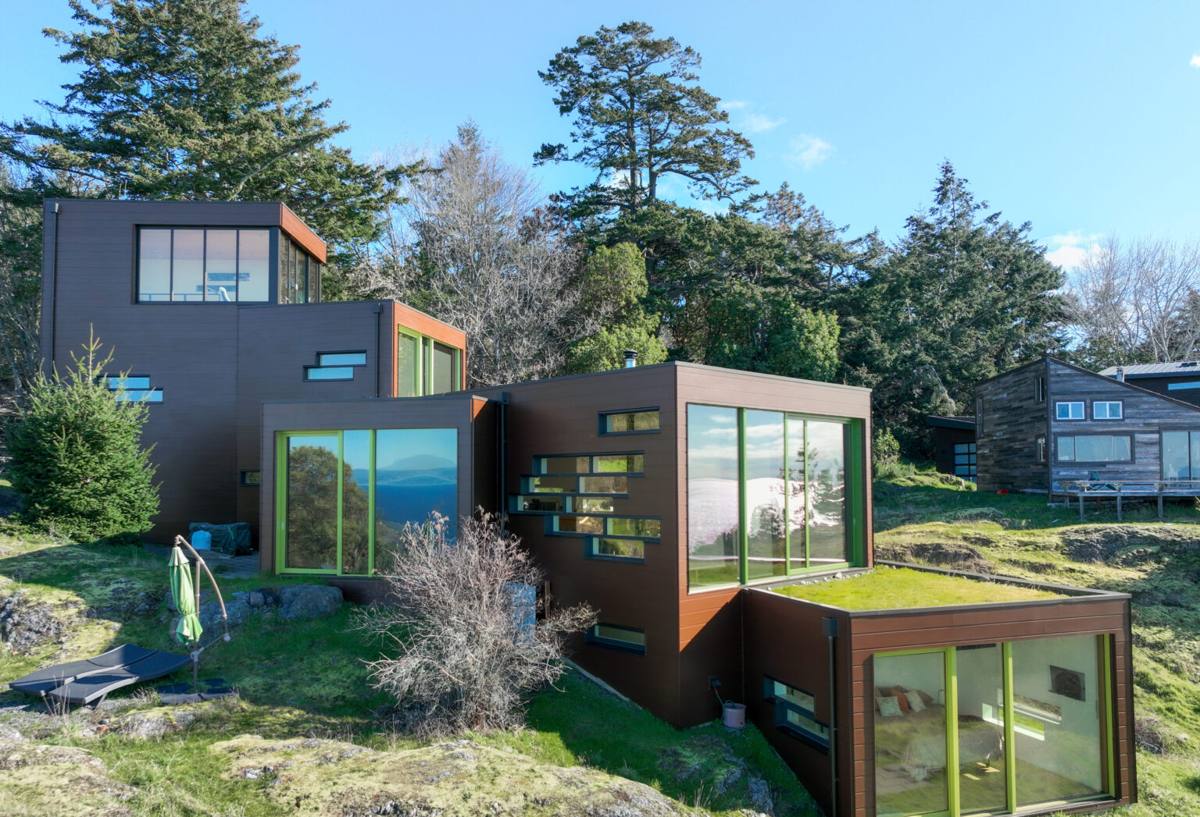
What Salt Air, Driving Rain, and Moss Season Actually Do to Siding
Salt Air
Airborne salt is corrosive to metal fasteners, flashing, and trim hardware, and it's abrasive to painted and coated surfaces over time. On wood and engineered wood products, salt exposure accelerates the breakdown of the surface coating, which is usually the first line of defense against moisture getting into the material underneath. Once that coating starts to fail, everything behind it is exposed.
Driving Rain
Whatcom Falls doesn't just get rain — it gets rain pushed sideways by wind off open water and low terrain. That matters because siding systems are engineered to shed water moving downward, not water being forced upward and sideways into laps, seams, and butt joints. A siding job that looks fine in a calm, dry climate can fail here specifically because the water management details — flashing, lap spacing, caulking at penetrations — weren't built for wind-driven exposure.
Moss Season
Extended damp, shaded conditions are exactly what moss and algae need to establish on exterior surfaces, especially on north-facing walls and anywhere siding sits close to landscaping or tree cover. Moss holds moisture against the surface far longer than open air would, which is a problem for any siding material that isn't dimensionally stable or that can absorb and swell with sustained dampness.
Why Fiber Cement Is the Right Material for This Specific Combination
James Hardie siding is a cement-based fiber composite, not wood and not a wood derivative. That distinction matters a lot in Whatcom Falls specifically:
- It doesn't absorb moisture and swell the way wood-based products can, which reduces the cupping and warping we see on older siding in this area.
- It's non-combustible, which is a genuine safety benefit independent of the moisture story.
- The factory-applied ColorPlus finish is baked on under controlled conditions, which holds up to salt exposure and UV far longer than a field-applied paint job typically will.
- It resists moss and algae growth better than porous or absorbent siding materials, though it isn't immune — surface cleaning is still part of long-term care in a climate like this one.
The HZ5 Product Line and Why We Spec It Here
James Hardie engineers its siding in climate-specific formulations, sold under its HZ (HardieZone) system. HZ5 is the formulation built for wetter, harsher climates — which is what qualifies most of the Pacific Northwest, including Whatcom County. The difference isn't cosmetic; it's in the manufacturing formulation itself, aimed at better performance under sustained moisture exposure and freeze-thaw cycling.
Specifying the correct HZ formulation for a Whatcom Falls address is a baseline decision, not an upgrade. Getting it wrong doesn't show up on day one — it shows up in year eight or ten, which is exactly when a homeowner assumes the siding did its job and stops thinking about it.
What a Correct Installation Actually Involves
Weather Barrier and Flashing First
The siding itself is only part of the water management system. Before a single board goes up, the wall needs a correctly lapped weather-resistant barrier, properly integrated flashing at windows, doors, and any wall penetrations, and flashing or drip caps above any horizontal trim. In a driving-rain climate, these details are what actually keep water out — the siding is the visible layer, not the only layer.
Fastening and Clearances
James Hardie publishes specific fastener patterns, nailing zones, and minimum clearances from grade, roof lines, and other surfaces. Those clearances aren't arbitrary — they're there to keep the bottom edge of the siding from sitting in standing water or constant dampness, which is precisely the condition that invites moss and accelerates wear. Skipping or shortcutting these clearances is one of the most common ways an otherwise good product fails early in a wet climate.
Joints, Caulking, and Butt Seams
Every horizontal joint and butt seam is a potential entry point for wind-driven rain. Correct installation means proper joint treatment at every seam, not just the ones that are easy to reach, and using sealants rated for the exposure rather than whatever is on the truck.
Factory Finish vs. Field Painting
We install ColorPlus prefinished siding whenever the project allows for it. The factory finish is more consistent and more durable against salt and UV exposure than a field-applied coat, and it removes one more variable from the equation on a house that's already dealing with a demanding climate.
How Siding Materials Compare for a Whatcom Falls Property
| Factor | James Hardie Fiber Cement | Vinyl | Untreated Wood / Cedar |
|---|---|---|---|
| Moisture absorption | Very low | Not absorbent, but seams can trap moisture behind panels | High — prone to swelling and rot |
| Salt air durability | Strong, especially with factory finish | Can chalk and become brittle over time | Requires frequent recoating to hold up |
| Moss/algae resistance | Good, still needs periodic cleaning | Moderate | Poor — porous surface holds moisture |
| Wind-driven rain performance | Strong when flashing/joints are done correctly | Depends heavily on installation quality | Weakest — coatings fail fastest under this exposure |
| Fire resistance | Non-combustible | Melts/deforms under heat | Combustible |
This isn't a knock on any specific brand — it's a summary of how these material categories behave under the exact conditions Whatcom Falls sees most of the year. It's also why we standardized our own installs on James Hardie rather than carrying multiple product lines.
Our Process for a Whatcom Falls Project
- On-site assessment. We look at wall exposure, roof lines, grade clearance, existing moisture damage, and how much of the house sits in shade or near landscaping — all of which affect the install details, not just the estimate.
- Sheathing and substrate check. Before new siding goes up, the substrate underneath needs to be sound. Wet or damaged sheathing found during tear-off gets addressed before anything is closed back up — closing over a problem doesn't make it go away.
- Weather barrier and flashing installation. This is the step that determines how the house performs in driving rain, and it happens before the visible siding.
- Siding installation to spec. Correct nailing zones, clearances, joint treatment, and HZ5-appropriate materials throughout.
- Final walkthrough. We check clearances, caulking, trim details, and finish consistency before calling the job done.
Living With It: Maintenance in a Wet, Mossy Climate
James Hardie siding is low-maintenance, not maintenance-free — that distinction matters in a climate like this one. Periodic rinsing to keep moss and organic buildup from establishing, especially on shaded or north-facing walls, goes a long way. Keeping gutters clear and grade clearances intact matters just as much as the siding material itself, since most siding problems in this region trace back to water being held against the wall rather than the wall material failing on its own.
What to Ask Before Hiring Anyone to Side Your Home in This Area
- Do they specify HZ5 (or the correct HardieZone formulation) for this address, or a generic product line?
- Will they show you the flashing and weather-barrier plan before siding goes up, not just the finished look?
- Do they follow James Hardie's published clearance and fastening specs, and can they explain why those matter here?
- Have they worked on homes in Whatcom Falls or similar wind/rain-exposed sites before?
- Is the warranty tied to a certified or trained installation, or does it depend only on the product?
Warranty: What's Actually Covered
James Hardie backs its siding with a manufacturer warranty on the product itself, and ColorPlus finishes carry a separate finish warranty. These warranties are transferable, which matters to resale in a market where buyers increasingly ask about siding condition and age. What the manufacturer warranty does not cover is installation error — flashing mistakes, wrong clearances, or skipped joint treatment can void coverage or cause a failure the warranty won't touch. That's the real argument for hiring a crew that installs to spec every time, not just when someone's watching.
Why a Crew That Already Works Whatcom Falls Matters
A siding crew that's worked this specific area already knows which walls take the worst of the wind-driven rain, where moss tends to establish first, and how much salt exposure to plan for. That's not something you can fully substitute with a spec sheet — it shapes decisions on flashing details, clearance margins, and finish choices before the first board goes up. For a house in Whatcom Falls, that local judgment is part of what makes the installation correct, not just compliant.
If you're considering new siding or need to replace siding that's already showing wear, we're happy to take a look and give you a straightforward, no-pressure estimate — no invented urgency, just an honest read on your home's exposure and what it needs.