 Glenhaven Siding
 Why Bellingham Windows Wear Out Faster Than the Brochure Says
Most window warranties are written assuming a fairly mild, dry climate. Bellingham and the rest of Whatcom County don't offer that. Homes here sit close enough to salt water that hardware and metal components take a slow, steady beating from salt-laden air. Add in long stretches of driving, wind-pushed rain rather than gentle straight-down rain, and a moss season that can run several months where north and shaded walls stay damp almost continuously, and you've got conditions that push windows toward failure years before a manufacturer's timeline suggests.
None of this means windows here are doomed — it means the installation has to account for the climate instead of ignoring it. A window that's a perfect fit for a dry inland town can be the wrong choice, or installed the wrong way, for a house a few miles from the water in Whatcom County.
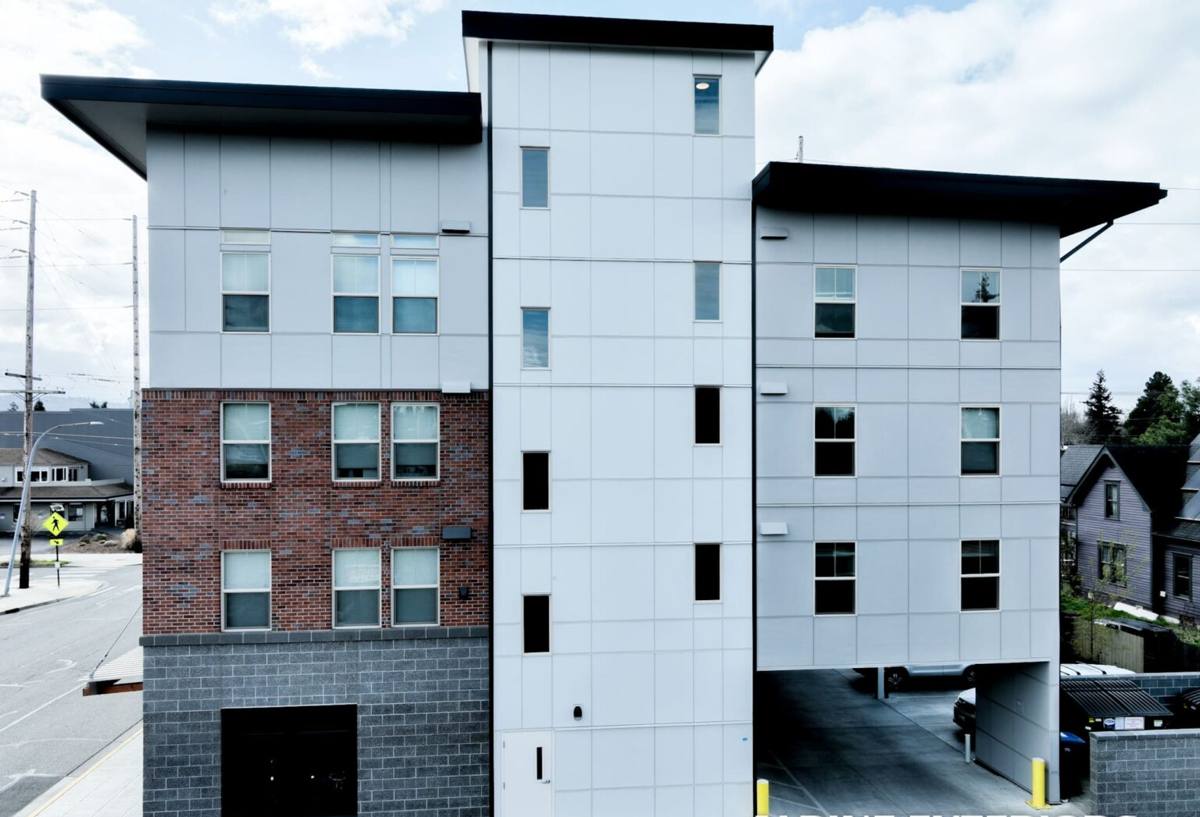
Signs Your Windows Have Reached the End of Their Service Life
Homeowners usually notice a problem long before they can name it. Here's what we look for, and what you can check yourself before calling anyone:
- Fogging or a permanent haze between the panes — the seal has failed and the gas fill (or air gap) is gone
- A noticeable draft near the frame even with the window fully latched
- Soft or discolored wood at the sill, jamb, or trim — a sign moisture has been getting in, not just condensing
- Windows that are hard to open, close, or lock, or that have started to sag in the frame
- Condensation forming on the inside of the glass regularly, even in mild weather
- A jump in heating costs that isn't explained by anything else changing in the house
- Visible gaps, caulk that's cracked and pulling away, or paint that's bubbling near the frame
Any one of these on its own might just need a repair. Several at once, especially on the same wall, usually points to the window and its installation both needing to be addressed together.
What a Correct Window Replacement Job Actually Involves
The window itself gets all the attention, but the part that determines whether it lasts is mostly hidden once the job is done.
Removing the Old Window Without Damaging the Opening
Old caulk, old flashing, and sometimes old rot have to come out cleanly. Rushing this step is how new windows end up sealed against damaged wood, which just hides a problem instead of fixing it. If we find soft framing or sheathing once the old unit is out, we tell you before covering it back up, not after.
Flashing and the Moisture Barrier
This is the single most important part of the job in a climate with this much driving rain. Flashing tape and the house wrap have to be layered correctly — bottom to top, like shingles — so any water that gets past the window sheds down and out instead of behind the siding. A window can be expensive, well-built, and still leak if the flashing underneath it was done wrong or skipped to save time.
Sealing and Insulating the Gap
The gap between the window frame and the rough opening needs to be insulated, not just caulked shut. Backer rod and a proper sealant bead on the exterior, low-expansion foam or insulation in the cavity, and a finished interior seal all work together. Skipping any one of these is a common source of the drafts homeowners notice a year or two later.
Choosing the Right Frame Material for a Coastal Whatcom County Home
There's no single "best" window material — there's a best fit for your house, your budget, and how close you are to salt air and standing moisture. Here's how the common options hold up in this specific climate:
| Frame Material | Moisture & Salt Air Performance | Maintenance | Typical Cost Tier |
|---|---|---|---|
| Vinyl | Good — won't rot or corrode, handles rain well | Low — occasional cleaning | Lower |
| Fiberglass | Very good — stable in temperature swings, resists moisture | Low | Mid to higher |
| Wood-clad | Depends heavily on the cladding and installation quality; exposed wood needs protection from driving rain | Higher — periodic sealing/painting on any exposed wood | Higher |
| Aluminum | Conducts cold, can promote condensation; salt air accelerates corrosion on lower-grade finishes | Moderate | Varies |
For most Bellingham-area homes dealing with salt air and long wet seasons, vinyl and fiberglass tend to be the more forgiving choices simply because there's no wood surface exposed to the weather that needs upkeep. Wood-clad windows can still be the right call for a specific look or a historic home — we just make sure you understand the maintenance commitment that comes with it before you commit to it.
Glass Options That Make Sense for This Climate
Double-pane windows with a low-E coating are the standard baseline almost everywhere now, and they perform reasonably well here. Triple-pane adds a third layer of glass and another insulating gap, which helps with both heat retention and sound — worth considering on a north-facing wall, near a busier road, or if a room has always run noticeably colder than the rest of the house. It's not necessary on every window in every home, and we'll tell you honestly when the upgrade isn't likely to earn back its added cost for a particular room or orientation.
Low-E coatings also help reduce the amount of condensation that forms on the interior glass surface during the coldest, dampest stretches of the year, which matters in a region where indoor humidity plus cold glass is a year-round combination rather than a rare cold-snap event.
How We Handle a Window Replacement Project, Start to Finish
- On-site assessment — we look at every window being discussed, check the surrounding trim and framing for existing moisture damage, and talk through what you actually need versus what you don't
- Measuring and ordering — accurate measurements matter more than the window brand; a poorly measured opening causes problems no matter what's installed into it
- Prep and removal — old units come out carefully, and we flag any rot or damage found before closing anything back up
- Flashing, install, and sealing — done in the sequence described above, not shortcuts
- Cleanup and walkthrough — every window operated, locked, and checked with you before we call the job done
What Affects the Cost of Window Replacement
We don't publish a flat per-window price because the honest answer is "it depends," but here are the factors that actually move the number:
| Factor | Why It Matters |
|---|---|
| Frame material | Vinyl is generally the most budget-friendly; fiberglass and wood-clad cost more upfront |
| Number and size of windows | Larger openings and whole-house projects have different economics than one or two windows |
| Existing rot or moisture damage | Repairing damaged framing before the new window goes in adds time and material |
| Access and second-story work | Height and access affect labor time |
| Glass upgrades | Triple-pane or specialty coatings add cost per unit |
| Trim and finish work | Matching existing trim or upgrading it changes the scope |
Broadly, homeowners in this area should expect a wide range depending on these factors — which is exactly why we walk the job in person before quoting rather than guessing over the phone.
Why Hiring a Crew That Already Works Bellingham Matters
A crew that works this area regularly knows which walls of a house typically take the worst driving rain, how moss season affects scheduling and site conditions, and what Whatcom County's permitting process actually requires for window replacement versus what gets assumed. That local familiarity shows up in small decisions — how flashing gets detailed on a west-facing wall that catches wind-driven rain, or timing exterior work around the wettest stretches of the year — that an out-of-area crew is more likely to get wrong on the first try.
It also means we're not guessing at how a house will hold up after the install. We've seen how windows and flashing perform a few years down the road on homes with the same salt air and rain exposure yours has, and we build the job around that experience rather than a generic install checklist.
Keeping Windows Performing After the Install
A correctly installed window still benefits from a little upkeep in this climate:
- Rinse salt residue off frames and hardware periodically, especially on wind-exposed sides of the house
- Keep weep holes (the small drainage openings along the bottom of the frame) clear of dirt and debris
- Check exterior caulk lines once a year and re-seal any spots that have cracked or pulled away
- Watch for moss or algae building up on nearby trim, siding, or sills, and clean it off before it holds moisture against the wood
- Operate windows through their full range a few times a year so hardware doesn't seize up from disuse
None of this takes long, but it's the difference between a window that hits its full expected lifespan and one that starts showing problems early simply from neglect in a climate that doesn't forgive it.
If your windows are drafty, fogged, or just past their prime, we're happy to take a look and give you a straight answer about what's actually needed — no pressure, no upsell. Use the form below to request a free estimate for your Bellingham-area home.