 Glenhaven Siding
 Window Replacement Built for Everson's Climate
Everson sits in the Nooksack River valley in Whatcom County, inside the same marine-influenced weather system that covers the rest of the region. That means long stretches of driving rain, humidity that never fully lets up, and air carrying enough moisture and salt off the Salish Sea to work into anything with a weak seal. Windows here don't fail because of one bad storm. They fail slowly, from years of moisture finding its way past worn weatherstripping, aging glazing, or a frame that was never properly flashed in the first place.
A long moss season adds another layer to the problem. Moss and algae hold moisture against wood trim and sills, and once that moisture gets behind the exterior finish, rot follows even when the window itself still looks fine from the curb. Replacing windows in Everson isn't just a cosmetic upgrade — it's about closing the gaps that this climate is constantly probing for weaknesses.
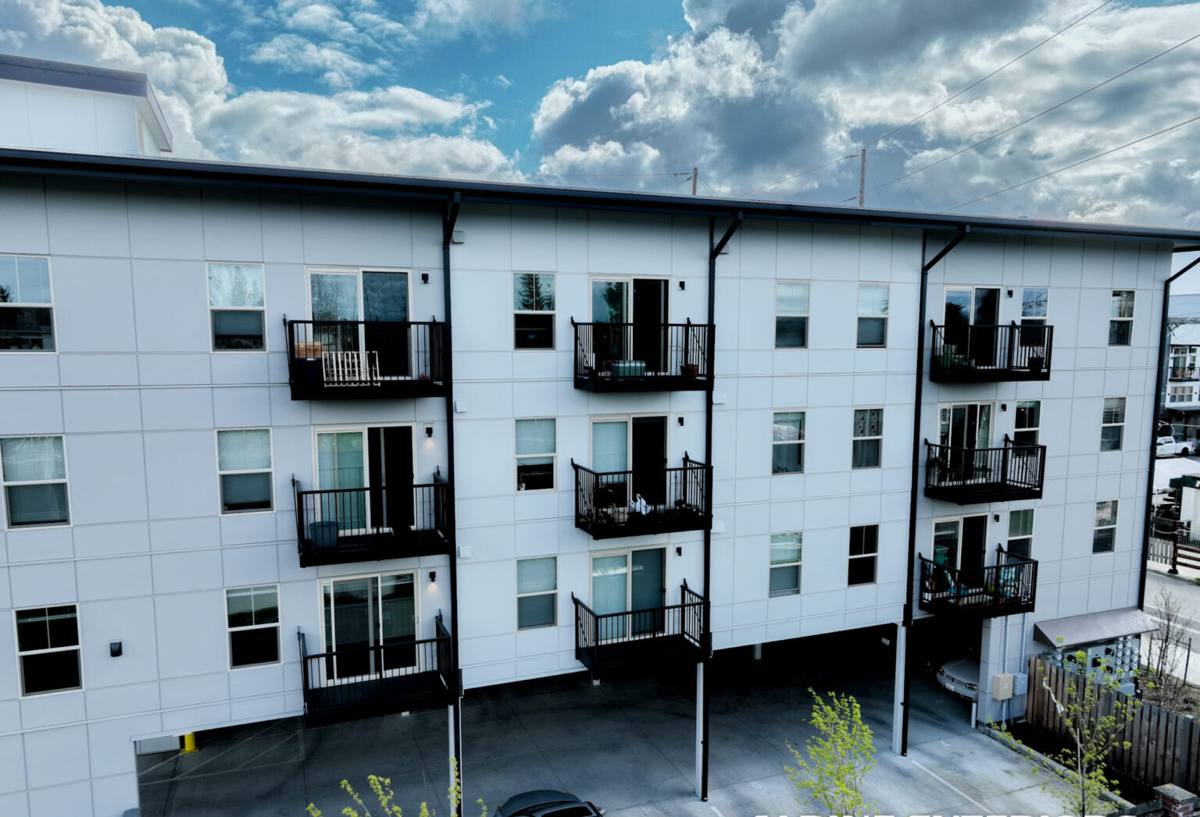
Signs an Everson Home Needs New Windows
Most homeowners don't notice window failure until it's already causing damage elsewhere. Here's what we look for on inspections around the area:
- Fogging or moisture trapped between panes of double-glazed units — the seal has failed and can't be repaired, only replaced
- Soft or discolored wood at the sill or lower corners of the frame, often a sign moisture has been sitting there for a while
- Windows that are hard to open, close, or lock — frames can swell and warp after repeated wet-dry cycles
- Visible gaps or drafts you can feel with a hand near the frame on a windy day
- Paint or caulk that's cracked, peeling, or pulling away from the frame edges
- Noticeable moss or algae growth on sills, tracks, or exterior trim
Any one of these on its own might just need attention. Several at once, especially on a home more than 15-20 years old, usually points to windows that are past the point where patching makes sense.
What a Correct Window Replacement Job Actually Involves
Swapping in a new window is the easy part. The work that determines whether it lasts is what happens around the opening before the window ever goes in.
Removing the Old Window Without Creating New Problems
We pull the old unit carefully and inspect the rough opening underneath — the sheathing, the framing, and any existing flashing. This is often where we find the real story: water staining, soft wood, or flashing that was installed backwards or skipped entirely. Any damage found here gets repaired before a new window goes anywhere near the opening. Installing a good window into a compromised opening just delays the same failure.
Flashing and Water Management
In a climate that sees as much driving rain as Whatcom County does, flashing is not optional trim work — it's the system that keeps water moving out and away from the wall assembly instead of behind it. That means proper sill pan flashing, correctly lapped house wrap or building paper at the sides and head, and sealant used in the right places (and deliberately left out of others, since sealing every seam can trap water instead of releasing it).
Fit, Shim, and Seal
A window that isn't shimmed level and square will bind, leak, or stress the seals prematurely. We set the unit plumb and level, shim it correctly, insulate the gap around the frame without overpacking it, and finish with weather-resistant sealant on the exterior. Interior finish work — trim, casing, paint or stain touch-up — gets matched to the rest of the room.
Window Materials and Types That Hold Up in This Region
There's no single "best" window material — the right choice depends on the home's age, style, budget, and how much upkeep the homeowner wants to take on. Here's how the common options compare for a damp, moss-prone climate like Everson's:
| Material | Moisture Resistance | Maintenance | Typical Fit |
|---|---|---|---|
| Vinyl | Very good — won't rot or corrode | Low; occasional cleaning | Most homes; strong value |
| Fiberglass | Excellent — stable in wet/dry cycling | Low | Homes wanting higher performance or larger openings |
| Wood-clad | Good if maintained; exposed wood is vulnerable | Higher — finish needs periodic attention | Historic or traditional-style homes |
| Aluminum | Fair — prone to condensation, less common now | Moderate | Older installs, some commercial uses |
For most Everson homes, we steer people toward vinyl or fiberglass because they don't give this climate anything to work with — no exposed wood grain for moisture to penetrate, no finish that needs recoating every few years. Wood-clad windows can still be the right call on homes where the look matters most, but we're upfront that they come with a maintenance commitment that vinyl and fiberglass don't. That's a trade-off we lay out honestly rather than talk anyone out of.
Glazing and Glass Options
Double-pane, low-E, argon-filled glass is the standard we recommend for this region — it manages both heat loss and condensation better than older single or basic double-pane units. Triple-pane is available and does offer a further step up in performance, but for most Everson homes the added cost doesn't pencil out against what double-pane low-E already delivers. We'll walk through the actual difference for your specific home rather than upsell a spec you don't need.
Energy Efficiency and Comfort
Old, leaky windows don't just let in drafts — they let in humidity, which is exactly what this climate doesn't need more of inside a house. New windows with intact seals and proper low-E glazing reduce condensation on the interior glass, cut down on cold spots near the window, and take pressure off heating systems during the long stretch of the year when Whatcom County stays cool and wet. The efficiency gain matters, but for most homeowners here the bigger day-to-day difference is comfort — no more cold draft off the glass on a rainy evening.
Our Process, Start to Finish
- On-site assessment — we inspect existing windows, openings, and any moisture or rot issues, and measure for accurate quotes
- Straightforward proposal — material, glazing, and pricing options explained in plain terms, no pressure to upsize the job
- Scheduling around weather — we plan installs to minimize how long an opening is exposed, which matters in a climate that doesn't give you many dry-week guarantees
- Removal and opening repair — any hidden damage gets addressed before the new window goes in, with photos and an explanation if we find something unexpected
- Installation — proper flashing, shimming, insulation, and sealing, done to hold up to driving rain and years of wet-dry cycling
- Finish work and walkthrough — interior trim finished, site cleaned up, and every window operated and checked with you before we call it done
Cost Factors Worth Understanding
We don't publish blanket prices because window replacement cost depends on real variables specific to your home, but these are the main factors that move the number:
| Factor | How It Affects Cost |
|---|---|
| Window size and quantity | Larger openings and whole-house jobs scale cost accordingly; per-window pricing usually drops on bigger orders |
| Material choice | Vinyl is typically most budget-friendly; fiberglass and wood-clad cost more upfront |
| Condition of the opening | Rot or framing damage found during removal adds repair time before the window can go in |
| Glazing and options | Upgraded low-E coatings, gas fills, or triple-pane glass add cost but also performance |
| Access and site conditions | Second-story or hard-to-reach windows take more labor and equipment |
We give a real number after seeing the actual windows and openings, not a phone estimate that changes once we're on site.
Why Hiring a Crew That Already Works Everson Matters
Whatcom County's building conditions aren't the same as a drier inland climate, and window installation practices that are fine elsewhere can fall short here. A crew that regularly works this area already knows what the wet-dry cycling does to a poorly flashed opening, how moss and standing moisture behave on local homes, and which details actually matter versus which are just paperwork. We're not learning the region on your project — we're applying what we already know holds up here.
There's also a simpler benefit: a local crew is reachable if something needs a follow-up look after the first real storm of the season puts the install to the test.
Keeping New Windows Performing Long-Term
A correct install is most of the battle, but a little seasonal attention keeps windows performing for the long run:
- Clear moss, leaves, and debris from sills and tracks a couple of times a year
- Check exterior caulking annually and touch up any cracked or missing sections
- Operate each window at least a few times a year so hardware and weatherstripping don't seize up
- Wipe down interior sills after heavy rain if condensation collects
- Watch for soft spots or discoloration at the sill, which can signal a seal issue worth checking early
If you're seeing drafts, fogged glass, sticking sashes, or just windows that have outlasted their useful life, we're glad to take a look. Reach out for a free, no-pressure estimate — we'll assess your windows honestly and give you a straight answer on what your home actually needs, using the form below.