 Glenhaven Siding
 Roofing Built for Columbia's Weather, Not Just Any Roof
Columbia sits close enough to the water and the weather patterns that move through Whatcom County that a roof here works harder than a roof does in a lot of other places. Salt-tinged air, long stretches of driving rain, and a moss season that can run half the year all put steady pressure on a roof system. A roof replacement done right in Columbia isn't just about swapping old shingles for new ones — it's about building an assembly that can shed water fast, breathe properly, and resist the slow biological growth that shortens roof life in this corner of the state.
We work on homes in and around Columbia regularly, so we're not guessing at what holds up here. We're applying what we've already seen fail, and what we've seen last.
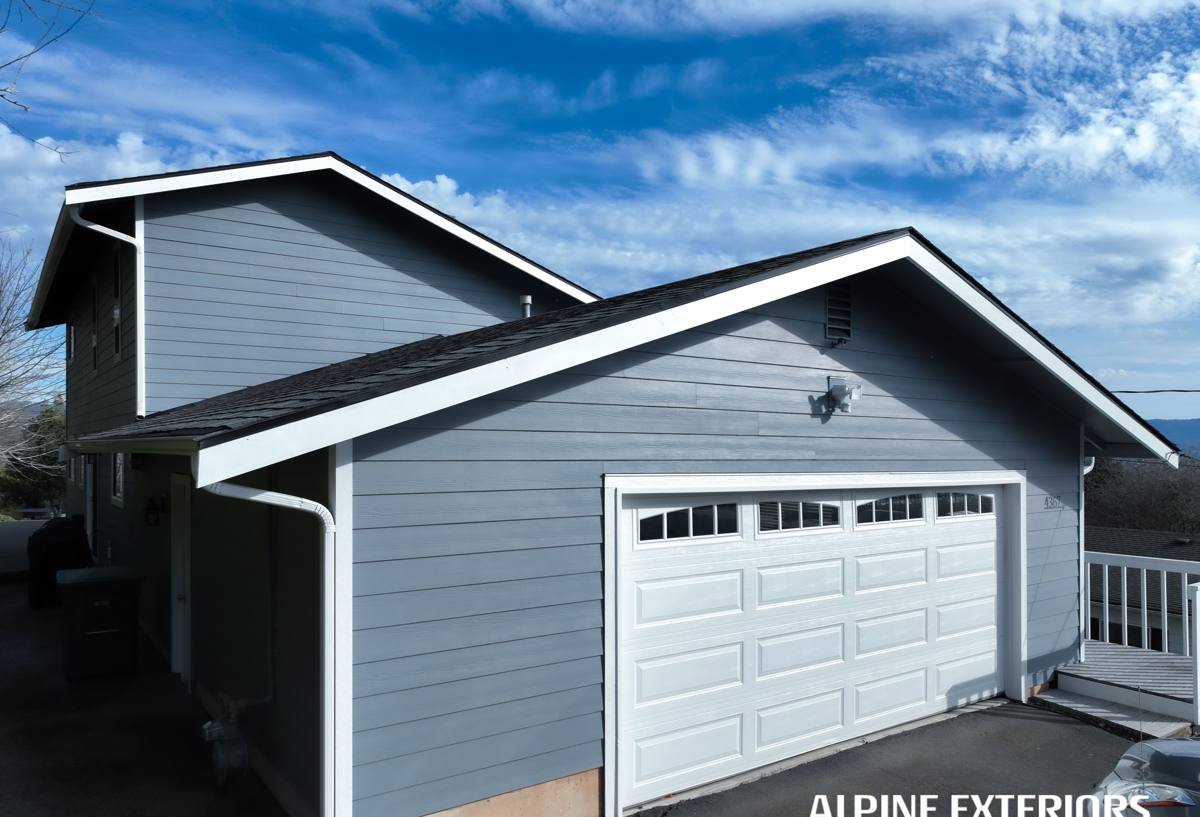
Signs Your Columbia Home Needs Replacement, Not Another Repair
Roofs rarely fail all at once. They give you warning signs first, and knowing the difference between "this needs a patch" and "this needs a full replacement" saves homeowners money and stress. Some of the clearest signs it's time to talk replacement:
- Granule loss heavy enough that you're finding grit in gutters and downspouts every time it rains
- Shingles that are cupping, curling at the edges, or cracking when you look closely
- Dark streaking or thick moss growth that keeps coming back within a season or two of cleaning
- Soft spots in the decking you can feel underfoot, or sagging visible from the ground
- Daylight visible through the attic roof boards, or water stains on interior ceilings
- A roof that's 20+ years old and has already had two or more repair visits in recent years
If you're only seeing one or two of these and the roof is otherwise sound, a repair may genuinely be the right call — we'll tell you that plainly. Replacement makes sense when the underlying materials (decking, underlayment, flashing) are compromised, not just the surface layer.
What Columbia Roofs Are Up Against
Moss and Sustained Moisture
Whatcom County's damp, mild climate is close to ideal moss-growing conditions for most of the year. Moss doesn't just look bad — it holds moisture directly against the roofing surface, works its way under shingle tabs, and lifts material as it grows. Left long enough, it accelerates granule loss and can rot decking underneath. North-facing slopes and roof sections shaded by trees are almost always the worst affected, and those are exactly the spots we check first on any Columbia roof.
Salt Air
Proximity to Puget Sound and the surrounding waterways means airborne salt is a real factor for exterior materials in this area. Salt-laden air accelerates corrosion on exposed metal — fasteners, flashing, vents, and gutter hardware — faster than it would inland. A roof replacement here needs corrosion-resistant fasteners and flashing metals as a baseline, not an upgrade option.
Driving Rain and Wind
Storms that come through with sideways rain expose every weak point in a roof's water-shedding system: valleys, flashing laps, ridge caps, and penetrations around vents and chimneys. A roof that looks fine in a light rain can still leak in a wind-driven storm if the underlayment and flashing details weren't done correctly. This is where most "mystery leaks" in older Columbia roofs actually come from.
What a Correct Roof Replacement Actually Involves
A roof replacement is more than removing old shingles and nailing down new ones. Done correctly, it's a full system rebuild:
1. Tear-Off and Decking Inspection
We remove the old roofing down to the deck so we can actually see what's underneath — this is the only way to catch rot, soft spots, or prior repair shortcuts that a re-roof over existing layers would hide. Any damaged decking gets replaced before anything new goes down.
2. Underlayment
The underlayment is your roof's real waterproofing layer — the shingles are the first line of defense, but the underlayment is what protects the deck if wind or ice ever gets past them. In a climate with as much sustained rain as this one, we treat underlayment as a place not to cut corners, especially in valleys and along eaves.
3. Flashing
Flashing around chimneys, skylights, vent pipes, and roof-to-wall transitions is where the majority of leaks originate on older roofs. Correctly lapped, corrosion-resistant flashing is non-negotiable in a salt-air environment.
4. Ventilation
Proper intake and exhaust ventilation keeps the attic space at a stable temperature and moisture level, which does double duty here: it helps prevent condensation-driven rot, and it reduces the damp, still air that moss and algae thrive in.
5. Final Layer and Details
Shingles or panels go down last, along with ridge caps, drip edge, and any gutter apron work needed to keep water moving off the roof and away from the fascia and siding.
Choosing a Roofing Material for a Columbia Home
There's no single "best" roofing material — the right choice depends on your home's roof pitch, your budget, and how much long-term maintenance you want to take on. Here's an honest comparison for this climate:
| Material | Typical Lifespan | How It Handles This Climate | Maintenance |
|---|---|---|---|
| Asphalt composition shingle | 20–30 years | Solid performer when installed with proper underlayment and ventilation; widely available and easy to repair in sections | Periodic moss/debris removal |
| Metal (standing seam or panel) | 40–60 years | Sheds moss and water very effectively; steeper learning curve on flashing detail; needs marine-grade fasteners near salt air | Low, but fastener/seam checks over time |
| Cedar shake | 20–30 years | Attractive but more moisture-sensitive; requires diligent ventilation and moss control to avoid premature rot in a wet climate | Higher — regular treatment and inspection |
| Synthetic/composite shingle | 30–50 years | Resists moisture and moss growth well; performance varies by manufacturer | Low to moderate |
We'll walk through the trade-offs for your specific roof rather than push one product — the right answer often comes down to your roof's pitch, how much shade it gets, and what you want to spend on upkeep versus upfront cost.
Our Process, Start to Finish
- Inspection and estimate: We get on the roof (not just a drive-by look) and check decking, flashing, ventilation, and the condition of the current roofing before quoting anything.
- Written scope: You get a clear breakdown of materials, underlayment, flashing work, and ventilation changes — no vague line items.
- Scheduling around weather: Given how much rain this area gets, we plan tear-off and dry-in carefully so your home isn't exposed longer than necessary.
- Tear-off and rebuild: Decking repair, underlayment, flashing, ventilation, and final roofing installed in sequence, with each stage checked before moving to the next.
- Site cleanup: Magnetic sweep for nails, debris removal, and a final walkthrough with you.
The Part Homeowners Often Skip: Ventilation and Moisture Control
A brand-new roof installed over poor attic ventilation will still trap heat and moisture underneath it — which shortens the life of the new materials and can lead to condensation issues that look like a roof leak but actually start from the inside. As part of any replacement, we evaluate intake vents (soffit) and exhaust vents (ridge or box vents) to make sure air is actually moving through the attic space. This one detail has a real effect on how long a roof lasts in a climate like Whatcom County's.
What Affects the Cost of a Roof Replacement
Every roof is different, so we won't quote a number without seeing the job — but these are the factors that typically move the price:
- Roof size and number of facets, valleys, and penetrations
- Pitch and accessibility (steeper or harder-to-access roofs take more time and safety setup)
- Condition of the decking once old roofing is removed
- Material choice (asphalt vs. metal vs. cedar vs. synthetic)
- Amount of flashing and ventilation work needed
- Layers of existing roofing to remove
Be cautious of any quote that skips a decking inspection or doesn't mention underlayment and flashing specifics — those are usually the corners that get cut to hit a lower number, and they're exactly the parts that matter most in a climate like this one.
Why a Crew That Already Works Columbia Matters
A roof replacement isn't just a materials choice — it's a set of decisions about how that roof will handle the specific weather it faces every year. A crew that regularly works Columbia and the surrounding Glenhaven area already knows which slopes hold moss longest, how much wind-driven rain a given roof orientation typically sees, and what fastener and flashing standards actually hold up against the salt air here. That local pattern recognition shows up in fewer callbacks and a roof that performs the way it's supposed to, year after year.
If your roof is showing its age or you just want an honest opinion on repair versus replacement, we're happy to take a look. Fill out the form below for a free, no-pressure estimate.